
Let's talk about what actually changes when menopause arrives
Honestly, menopause doesn't kill your pleasure. It rewires it. Estrogen levels drop, tissue becomes thinner, blood flow patterns shift, and the time it takes to become aroused lengthens. But here's what nobody tells you. Those same changes can actually make certain types of stimulation feel more intense, not less. And that's where lemon clitoral vibrators come in.
I've worked with hundreds of people navigating this transition, and the ones who get the best results aren't the ones waiting for sensation to return on its own. They're the ones who understand how their bodies have changed and use the right tools to work with those changes, not against them.
How hormonal shifts affect clitoral sensation
When estrogen drops, the vulva's tissue becomes thinner and more delicate. This isn't damage. It's just a different kind of tissue that responds differently to touch. The clitoris itself contains thousands of nerve endings, and those don't disappear. What changes is how quickly they light up and how much direct friction they can comfortably handle.
Arousals also takes longer to build. Where you might have become fully aroused in five minutes at 35, you might need 15 to 20 minutes at 55. This isn't a problem unless you frame it as one. Most people I work with discover that slower arousal actually creates deeper pleasure because the body has time to fully activate.
Blood flow to the genitals becomes slightly less efficient, which means less natural lubrication. This is purely mechanical and easily solved. Testosterone production also drops, and yes, people with ovaries make testosterone too. It's a major driver of desire, and its decline can feel like a genuine loss of interest rather than a physical change.
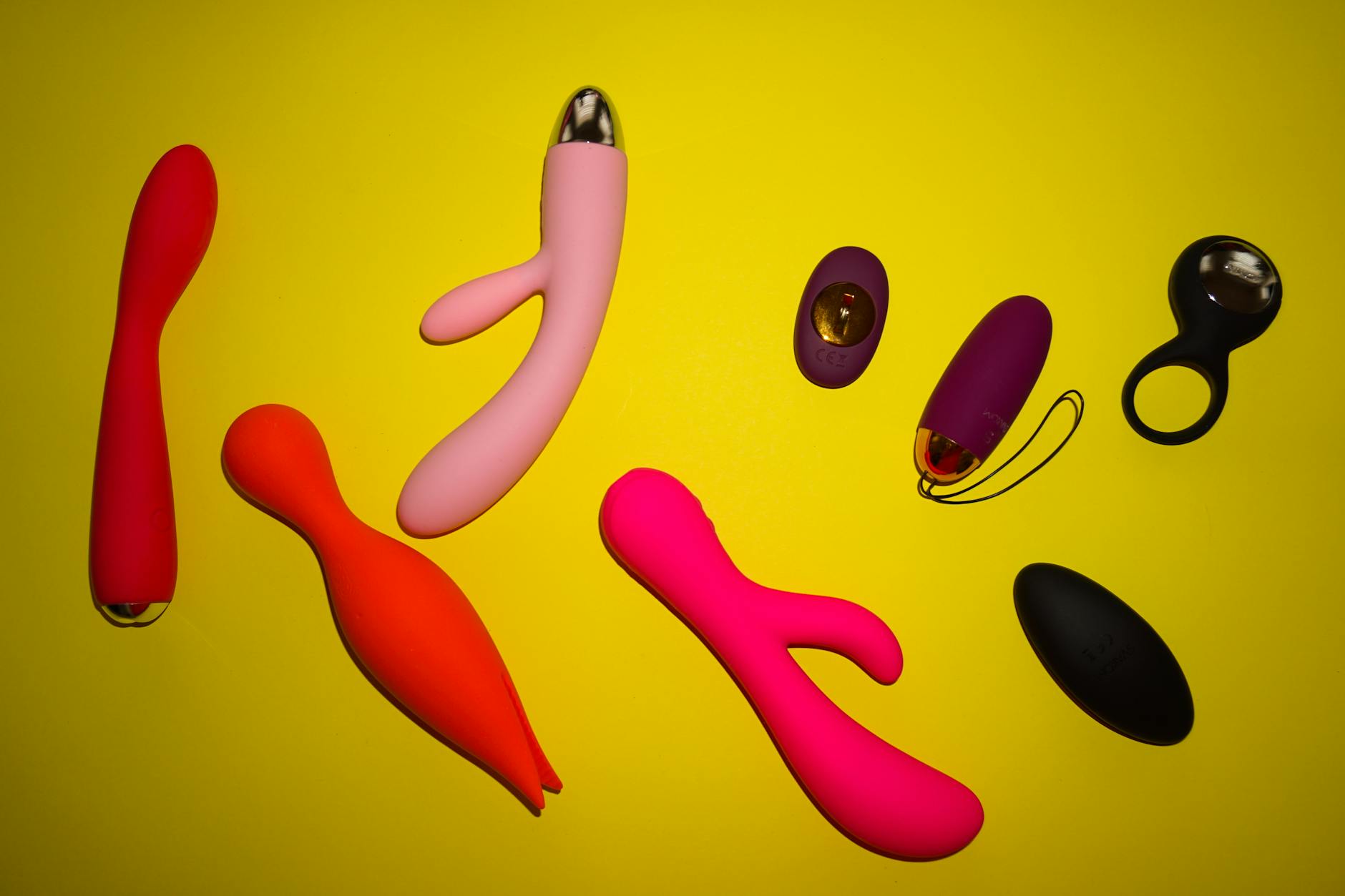
Photo by FounderTips on Pexels
Why lemon vibrators work differently for postmenopausal bodies
Lemon clitoral vibrators, sometimes called clitoral suckers or air-suction toys, operate using a completely different mechanism than traditional vibrators. Instead of direct buzzing against tissue, they create gentle suction and pulsation that stimulates nerves without requiring the same amount of pressure.
This matters enormously after menopause. Thinner tissue is more sensitive to direct friction, which can feel uncomfortable or even painful if a toy is moving too aggressively. But the suction mechanism of the Lem works by creating a seal and gently pulling rather than pressing. For postmenopausal bodies, this often feels significantly more pleasant and more likely to produce orgasm.
The Hello Nancy Lem vibrator, for example, uses air-pulse technology that mimics natural stimulation without the vibration fatigue that can build up over time. Because it's not relying on raw vibrational intensity, it works beautifully with bodies that need gentler handling or that have developed sensitivity changes after menopause.
What lube actually becomes essential
Lubricant wasn't optional before, but now it's genuinely necessary. Water-based lube is your friend here. Silicone-based lubes feel richer and last longer, but they can damage silicone toys. Water-based lubes rehydrate the tissue and allow the suction to work smoothly without friction.
The best approach is to apply lube directly to your vulva and also to the Lem before use. Let it sit for a minute so the tissue can soften. This completely changes the sensation from possibly uncomfortable to genuinely pleasurable. And here's a thing nobody mentions. You might actually need less lube than you think. A thin, even coat is better than a heavy slick because the suction needs a gentle seal to work properly.
The pleasure patterns that change (and often improve)
Three things happen to orgasm after menopause that are worth knowing upfront.
First, they might take longer to arrive. This isn't failure. It's just a different timeline. Your body needs more time to build arousal. Budget 20 to 30 minutes instead of 10. The Lem's sustained pulsing is brilliant for this because it builds sensation gradually rather than trying to shock the system into response.
Second, orgasms might feel different in location or intensity. Some people report they feel less in the traditional peak and more like a sustained wave. Others find them more localized or more diffuse. Different isn't worse. Most of my clients say once they stop expecting the old pattern, the new pattern is actually more satisfying.
Third, you might need direct stimulation on the clitoral glans rather than around it. After menopause, some people find that the tissue around the clitoris becomes less responsive, but the glans itself remains highly sensitive. The Lem's smaller opening is specifically designed to fit over the clitoral head, which makes it perfect for this kind of direct, focused stimulation.
How to adjust your technique with a lemon vibrator
Start with the Lem on the lowest setting. I mean this. Menopause sensitivity is real, and jumping straight to setting three or four can feel overwhelming. Set one creates a gentle rhythm that lets your tissue wake up without shock.
Warm up longer than you used to. That 15 to 20 minute arousal buildup isn't wasted time. Use your hands, use your partner's hands, read something that makes you curious, think about something that turns you on. Then introduce the Lem once arousal has already started building.
Position matters too. Before, you might have been comfortable lying on your back or sitting upright. After menopause, some positions create better blood flow and less friction against tissue. Experiment. Lying on your back with knees slightly bent, or on your side, often works better than positions that tense the pelvic floor.
And here's the thing about the pelvic floor. After menopause, it tends to tighten more easily because estrogen supports its elasticity. Spending five minutes before using the Lem doing gentle pelvic floor relaxation, not Kegels, actually improves sensation. Try breathing in for four counts and consciously loosening that area on the exhale.
When sensation feels completely different or absent
If the Lem feels like nothing, or if sensation has genuinely disappeared, that's worth mentioning to your doctor. Genitourinary syndrome of menopause, or GSM, is real and common. It's not just dryness. It's actual tissue thinning that can affect nerve response. The good news is that topical estrogen creams work beautifully and have minimal systemic absorption.
Some doctors also prescribe vaginal DHEA or testosterone cream for the vulva. If you're interested in trying these, ask specifically about them. They're underused because many doctors aren't comfortable prescribing them, but they can genuinely restore sensation.
If sensation is just muted rather than absent, the Lem often helps because the suction creates stimulation that hand alone or partner touch might not provide. But if nothing is working after four weeks of consistent use with proper lubrication and warm-up, that's a conversation for your gynecologist.
The relationship dynamics that shift alongside sensation
Menopause often arrives packaged with other transitions. Kids leaving home. Career changes. Relationship shifts. Sometimes people assume that any change in pleasure is purely hormonal. Often it's not.
If you're partnered, separating the physical conversation from the emotional one matters enormously. "My body is responding differently" is genuinely different from "I want us to reconnect" or "I'm not feeling close to you." Confusing those two conversations means neither one gets solved.
The Lem works just as well with a partner as it does solo, by the way. Some couples find that introducing it during partnered sex gives them permission to slow down, focus on the postmenopausal body's actual timeline, and stop trying to match the arousal patterns of the pre-menopausal past.
FAQ
Can you use a lemon vibrator if you have genitourinary syndrome of menopause?
Yes, but with care. Genitourinary syndrome is tissue thinning and inflammation that can make any stimulation uncomfortable. Before using the Lem, try topical estrogen cream for two to four weeks to let tissue recover slightly. Then start with the lowest setting, generous lubrication, and very gentle pressure. If pain appears, stop and see your doctor. Clitoral vibrators should never hurt.
Do lemon clitoral vibrators cause sensitivity numbing after menopause?
Not inherently, but overuse can. After menopause, tissue is more delicate, which means it can fatigue more easily. Using the Lem at high intensity for long periods can create temporary numbness. The fix is simple. Use lower settings, take breaks between sessions, and give your body 24 to 48 hours between intense use. Think of it like any muscle. It responds to varied stimulus better than constant hammering.
How long does it take for a lemon vibrator to improve sensation after menopause?
Most people feel a noticeable shift within three to four weeks of consistent use. Some feel it immediately because the stimulation style itself is new to their body. But real pattern change, where you're experiencing more reliable arousal and easier orgasm, usually takes about six weeks. Consistency matters more than duration.
Can testosterone therapy and a lemon vibrator work together for postmenopausal desire?
Absolutely. Testosterone therapy can restore some of that drive to seek sensation, and the Lem provides the actual tool to create that sensation reliably. People using both often report that the combination is exponentially better than either one alone. Your doctor can advise whether testosterone is right for you.
Is water-based lube necessary with a lemon vibrator after menopause?
Yes, almost always. Without it, the suction mechanism can feel draggy or uncomfortable on thinner tissue. Water-based lube creates the smooth seal the toy needs to feel good. Apply it to both your body and the Lem. Reapply during longer sessions because it dries.
What's the difference between a lemon vibrator and other clitoral vibrators for postmenopausal bodies?
Traditional vibrators rely on high frequency to create sensation. Lemon vibrators use suction and pulsation, which creates stimulation through a different mechanism. For postmenopausal bodies with thinner tissue, the suction style is often more comfortable and more likely to create orgasm without numbness. If you've found that traditional vibrators feel too intense or create discomfort after menopause, the Lem's approach is worth trying.
What comes next
Menopause changes your body. It doesn't end your pleasure. It redirects it. Working with a lemon clitoral vibrator means understanding those changes and using a tool specifically designed for how you actually feel now, not how you felt 20 years ago.
The Lem's air-pulse technology, combined with slower arousal buildup, proper lubrication, and permission to explore a new sensation pattern, often creates some of the most satisfying sexual experiences people report in decades. Your best orgasms aren't necessarily behind you. Sometimes they're just waiting for you to meet your body where it actually is.
If you have questions about whether the Lem is right for your specific situation, or if you want to talk through what's changing in your body and your relationship, reach out. That's what we're here for.