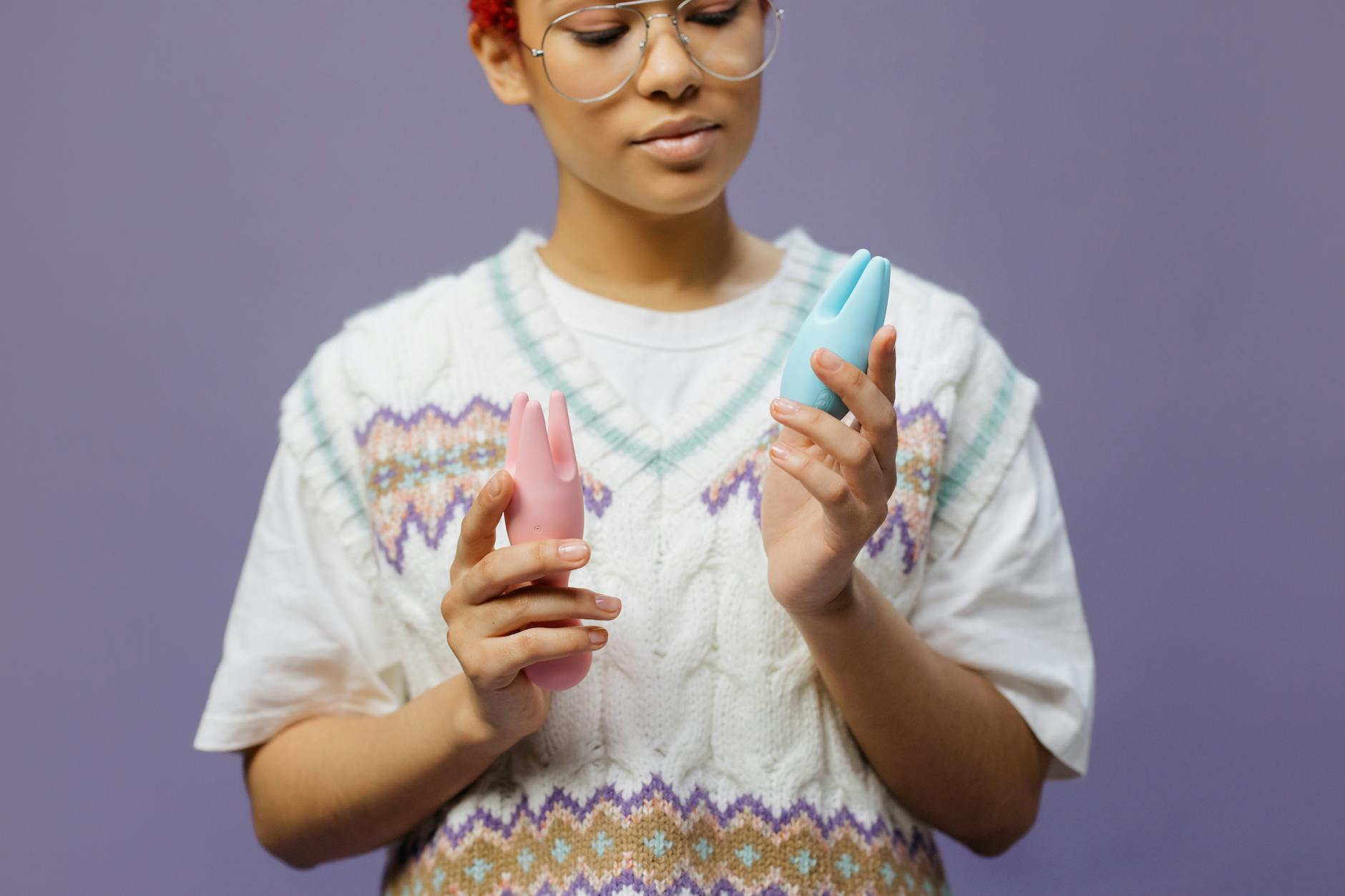
Let's talk about what "sensitive" actually means
Sensitive clitoral tissue doesn't mean broken tissue. It means your nerve endings are working exactly as they should, sometimes picking up signals that feel too intense rather than just right. For some people, a standard vibrator feels like an electric fence. For others, it's a mismatch between the pattern and their body's rhythm.
The good news: choosing the right lemon vibrator changes everything.
Why intensity matters more than vibration speed alone
Here's what most people get wrong about clitoral vibrators. They think intensity is just about frequency, like a vibrator is either buzzy or it isn't. In reality, intensity comes from three things working together: the vibration pattern itself, the surface area of contact, and how the device transmits power to your body.
A lemon clitoral vibrator like the Lem is designed differently than a traditional wand vibrator. Instead of direct percussion, it uses air-pulse technology that creates suction and release cycles. This means stimulation happens differently. There's less of that overwhelming direct buzz that sensitive bodies often find unbearable, and more of a pattern-based rhythm that your nervous system can actually sync with.
The difference matters clinically. People who report that they "can't use vibrators because they're too intense" often find that air-pulse devices work where everything else has failed.
What to look for when shopping for your first lemon vibrator
Three things separate a vibrator that might overwhelm you from one that feels generous and controlled.
First: start-level intensity. The Lem has multiple intensity settings, and the first three are designed specifically for people who need gentler entry points. If you're considering a lemon sucker or other clitoral vibrator, check whether it has graduated intensities rather than jumping straight to maximum. You want to be able to start at 20 percent power, not 60.
Second: pattern flexibility. A vibrator that only has one rhythm is a vibrator you'll grow frustrated with. The best lemon clitoral vibrators offer at least 3-5 different patterns. This matters because sometimes the buzz that feels overwhelming in one pattern might feel perfect in another. Your nervous system responds to rhythm differently depending on your arousal state, stress level, and even the time of month.
Third: silence and discretion. This one is underrated for sensitive people. If you're anxious about being heard, or if the sound itself is triggering, that anxiety doesn't vanish just because you've chosen a "good" vibrator. It compounds the overstimulation. Quieter devices mean less activation of your fight-or-flight system and more headspace for pleasure.
How to introduce a new lemon vibrator safely
You've picked your clitoral vibrator. Now comes the part that most guides skip: the actual first use.
Start clothed or with significant fabric between your body and the toy. This sounds weird, but it's genuinely effective. Panties or a thin layer of clothing act as a natural dampener. You're not looking for stimulation yet, you're looking for information. You're learning what this specific vibrator feels like at every intensity level without the sensation going straight to your clitoris unfiltered.
Spend 5-10 minutes just exploring patterns and intensities over clothing. Notice which ones feel pleasant, which ones feel jarring, and which ones feel like nothing. Your body will tell you what your mind doesn't yet know.
Once you've done that maybe two or three times, you can try direct contact with lubrication. Water-based lube reduces friction and makes the sensation less sharp. This is especially important with air-pulse technology. The suction works best with a thin layer of moisture, and it becomes gentler, not harder.
The role of arousal and timing
Here's something that sensitive people often miss: your sensitivity isn't fixed. It changes based on where you are in your cycle, your stress level, whether you've had caffeine that day, and how aroused you actually are.
A vibration that feels unbearable when you're not fully aroused might feel perfect when you are. This is why the "slow warm-up" matters. Many people who think they're too sensitive are actually jumping straight to direct stimulation before their body has built the neurological foundation to handle it.
When you're genuinely aroused, your clitoris slightly retracts under its hood, and the nerve endings become less exposed. The tissue itself becomes less reactive. So if you're testing a new lem vibrator or any clitoral vibrator, don't test it when you're just checking whether it works. Test it when you've actually spent 15-20 minutes getting into the mood first.
The lubrication factor (and why it's different than you think)
You probably already know that lubrication helps. But if you're sensitive, lube does something extra important. It reduces friction drag, which means the vibration transmits more evenly across the tissue instead of creating hot spots of concentrated stimulation.
For air-pulse devices like lemon vibrators, water-based lubricant is essential. Silicone lube can damage the toy, and the sensation is often slicker in a way that makes the suction feel less controlled. Water-based means you might need to reapply more often, but that's honestly fine. It gives you natural break points where you can check in with your body.
One more thing: if you're on medications that affect lubrication (antidepressants, antihistamines, hormonal birth control), your baseline dryness is real. That's not you being broken, it's chemistry. Adding lubrication isn't a workaround, it's a straightforward solution.
When to use lower patterns versus higher ones
Most sensitive people benefit from sticking to the lower three settings of their lemon clitoral vibrator for at least the first few weeks of use. This isn't forever. It's just long enough for your body to normalize the sensation and for you to figure out what actually feels good versus what you think should feel good.
After two or three weeks of consistent use at lower intensities, many people find they naturally want to explore higher settings. Not because they need the intensity to get off, but because the novelty has worn off and they're curious. That's healthy exploration.
The other scenario is that you stay with lower intensities and that's completely your answer. Some people's nervous systems are just wired to respond beautifully to gentle stimulation. That's not a limitation, that's actually your sweet spot. Honor it.
Partnered use when you're sensitive
If you're using a lemon vibrator with a partner, communicate the actual experience, not the performed experience. Say "I like it when you keep it on this setting" instead of "that feels good" while something feels borderline. Your partner can't read your body's subtle discomfort signals. You have to name them.
Consider exploring solo first. Once you know what works, you know what to ask for. Many sensitive people find that partnered pressure makes them overthink the sensation, which makes it feel more intense. Solo exploration removes that layer and lets you tune into your body's actual preferences.
FAQ: Your most common questions about sensitive bodies and clitoral vibrators
Does sensitivity mean I'll never enjoy intense vibration?
Not necessarily. Sensitivity and preference are different. Some sensitive people eventually migrate to higher intensities once they've desensitized somewhat. Others find that gentle settings are actually their genuine preference, and that's valuable information about yourself. The goal isn't to "fix" your sensitivity, it's to find what genuinely feels good versus what you think you should be able to handle.
Can I use a regular wand vibrator if I'm sensitive, or do I need an air-pulse lemon vibrator?
You can, but the learning curve is different. Air-pulse technology is gentler as a category, which is why it's often the better choice for sensitive people starting out. That said, plenty of sensitive folks use traditional vibrators successfully. The difference is that you'll need to add more layers of fabric or clothing as a buffer, and you might need to focus on using it against the sides of your clitoris rather than direct contact. With a lemon clitoral vibrator, that adjustment happens less often.
What if the lowest setting still feels too intense?
Try three things in this order. First, use it over clothing. Second, use significantly more lubricant. Third, use it against the external labia rather than the clitoris itself, letting the vibration radiate rather than hit directly. If all three of those together still feel overwhelming, that specific vibrator might not be your match, and that's okay. Not every tool works for every body.
Does sensitivity fade with use, or is it permanent?
It's usually both. There's a temporary desensitization that happens in the first few weeks of use as your nervous system gets familiar with the sensation. After about three to four weeks, that effect plateaus. Some sensitivity does seem to be constitutional, meaning it's just how your nervous system is wired. Both are totally normal.
Can anxiety make sensitivity worse?
Completely. If you're anxious about overstimulation, that anxiety triggers your nervous system's defensive response, which makes the sensation feel more intense. This is why starting slow, starting clothed, and using plenty of lube matters so much. You're not just managing the physical sensation, you're managing the anticipatory dread that can compound it.
Should I try numbing products to reduce sensitivity?
I'd skip this. Numbing products are designed to reduce feeling during partnered sex, not solo use, and they can mask important feedback from your body. If a clitoral vibrator feels too intense, the solution is choosing a different tool or a different approach, not removing sensation entirely. You deserve to actually feel pleasure, not to numb your way through it.
The bottom line: your sensitivity is information, not a problem
Choosing the right lemon vibrator when you're sensitive comes down to respecting how your body actually works rather than fighting it. Start with an air-pulse device, begin at the lowest intensity, use lubrication, and give yourself weeks rather than days to adjust. Your body is telling you exactly what it needs. Listen to it, and you'll probably find that sensation you've been chasing is finally within reach.
If you're ready to explore with a partner or want more personalized guidance on building pleasure routines, reach out to our team. We're here to help you find what actually works for your specific body and situation.