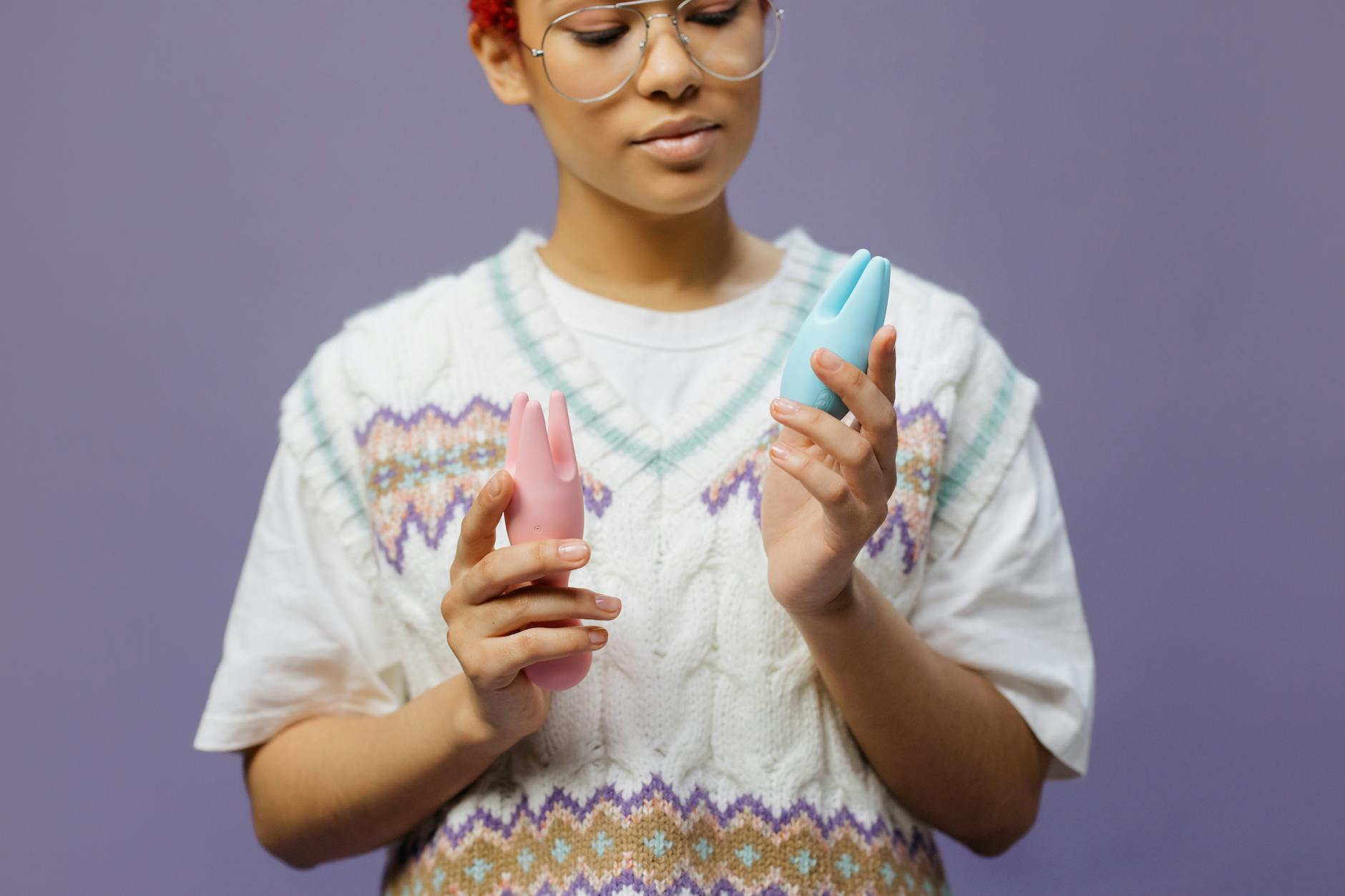
The thing nobody talks about openly
Lubrication changes. Your body produces less. This isn't failure or dysfunction. It's biology responding to medication, stress, hormonal fluctuation, age, or sometimes just the ordinary wear of living in your own skin for decades. And because nobody actually discusses this openly, most people assume they're the only one experiencing it.
Here's the practical part: decreased natural lubrication doesn't mean you can't have intensely pleasurable orgasms. It means you need a different approach. A lemon clitoral vibrator, with its suction-based design, works with this reality instead of fighting it.
Why decreased lubrication changes the game
When lubrication drops, direct friction becomes irritating instead of arousing. Tissues thin slightly, blood flow patterns shift, and what felt amazing at 25 can feel rough at 45. Traditional vibrators rely on friction. They need moisture to glide smoothly, and without it, you get numbness, discomfort, or just zero sensation.
Suction works differently. A lem vibrator creates a gentle seal around the clitoris and uses air-pulse technology to stimulate the entire nerve cluster, not just the surface. You don't need as much natural lubrication because there's minimal friction. The sensation builds through gentle pressure and release, which many people find more effective when arousal takes longer to activate.
Think of it this way. A traditional vibrator is a car that needs a wet road. A lemon adult toy is a car that's designed for dry pavement.
The medications and situations that affect lubrication
Knowing what's causing the change matters because it shapes your strategy. Antihistamines, antidepressants, birth control pills, and blood pressure medications all reduce vaginal moisture. So do chemotherapy, autoimmune conditions, and hormonal shifts around menopause or perimenopause.
Breastfeeding, extreme stress, inadequate sleep, and even dehydration play a role. Sometimes it's psychological. Sometimes it's a combination. The diagnosis isn't your job. The adjustment is.
Whatever the cause, your lemon vibrator becomes a tool that doesn't depend on your body producing a specific amount of fluid to feel good.
Using a lemon sucker when your body needs support
Start with water-based lubricant, full stop. Even though suction-based vibrators need less moisture than traditional ones, a thin layer of good lubricant makes the seal better and the sensation richer. You're not compensating. You're optimizing.
Apply a small amount around the external area, not inside. You want the seal to work properly, and that means the toy sits directly against skin, with lube as a bridge, not a barrier.
Begin on intensity setting 1 or 2. With decreased natural arousal, your tissues are more sensitive to overstimulation. Build slowly. The suction design means sensation accumulates. You don't need to jump to high intensity immediately.
Take your time with warm-up. When lubrication is lower, arousal itself takes longer to build. Budget 15 to 25 minutes for foreplay with yourself or a partner before introducing the toy. Read something that turns you on. Watch something. Let your mind arrive before your body does.
The psychological piece that changes everything
Lubrication anxiety is real, and it tanks arousal faster than almost anything else. You start thinking about whether you're wet enough instead of feeling what's happening. That thought becomes the dominant sensation, and sensation shuts down.
Break this cycle before you reach for the toy. Acknowledge that your body is different than it was, and different is not broken. You're not comparing yourself to a younger version. You're meeting yourself where you actually are.
Many people find that external-only stimulation with a lemon clitoral vibrator removes the pressure around penetration and lubrication altogether. No insertion. No friction. Just sensation on the external nerve cluster that controls most of your pleasure capacity.
This shift often feels liberating. You're not waiting for your body to do something. You're actively choosing how you want to be stimulated.
When to add lubricant and how much matters
Water-based lubrication is your friend, but more isn't better. A dime-sized amount is usually plenty. If you add too much, the seal between the toy and your skin becomes imperfect and suction doesn't work as intended.
Reapply as needed. Some people find they need a touch-up after five or ten minutes of use. Others don't. Your body will tell you. If sensation starts to feel slippery or unfocused, pause, check the seal, and add a tiny bit more lube if needed.
Avoid silicone-based lubricants if you're using a silicone toy like the Lem. Silicone lube can degrade silicone toys over time. Stick to water-based or hybrid formulas if your toy is silicone.
The patience piece
Decreased natural lubrication often means decreased natural arousal speed. This isn't a flaw in your design. It's an invitation to slow down. Many people report that taking 20 minutes to build arousal with a lemon vibrator produces more intense, more satisfying orgasms than the quick hits they experienced before.
Your nervous system changes over time. You might need more mental foreplay. You might need a different rhythm than you expected. You might orgasm differently, or find that the orgasm itself feels more concentrated than diffuse.
All of this is workable. None of it is permanent. Your body is responsive. You just need to speak its current language instead of insisting it speak the language it used to.
When decreased lubrication signals something else
If lubrication has dropped suddenly and dramatically alongside pain, burning, or persistent itch, see a doctor. Yeast infections, bacterial imbalances, and urinary tract infections all cause dryness and change how stimulation feels. These are treatable.
If you're on a new medication and noticed the change immediately after, talk to your prescriber. Sometimes a dose adjustment or timing change helps. Sometimes switching to a different medication in the same class preserves lubrication better.
If anxiety or relationship issues are tangled up in this, that's worth naming too. Your body's response to pleasure is connected to safety and trust. If either of those feels shaky, lubrication won't come easily, and no toy will fix the real problem underneath.
The simplest starting point
You don't need a diagnosis or an explanation. You just need lube, a lemon adult toy designed for suction-based stimulation, and patience with your own body. Set realistic expectations. Most people find that the first few sessions feel awkward or unfocused while they're learning how suction feels different from vibration.
By session three or four, the nervous system catches on. Sensation builds. Orgasms arrive. Often stronger than expected.
Your pleasure hasn't left. It's just asking you to meet it differently.
Questions people actually ask
How much lubricant do you need with a lemon clitoral vibrator?
Start with less than you think you need. A dime-sized amount around the external area is usually plenty. Too much lubricant actually breaks the seal that makes suction vibrators work. If sensation starts feeling slippery or unfocused, the seal has weakened. Pause, dry the area gently, reposition, and try again with less lube.
Can you use a lemon vibrator without any lubricant at all?
Technically yes, but it's not ideal when natural lubrication is already low. A tiny bit of water-based lubricant helps the seal form properly and makes the sensation smoother. Think of it as optimization, not desperation. Even just a few drops makes a difference.
Does decreased natural lubrication mean you're broken or aging badly?
No. Lubrication changes for dozens of reasons that have nothing to do with your worth or your capacity for pleasure. Medications, stress, sleep, hydration, hormones, relationship factors, mental health. It's as normal as hair texture changing or skin sensitivity shifting. It's not failure. It's your body doing exactly what it's designed to do in response to its circumstances.
Why do lem vibrators work better than traditional vibrators when lubrication is lower?
Traditional vibrators rely on friction and gliding. They need moisture to work smoothly. Suction-based vibrators like the Lem stimulate through gentle pressure and release using air pulses. There's minimal friction, so you don't need as much natural lubrication. The sensation comes from the suction itself, not from the toy moving against tissue.
How long does it take to adjust to using a lemon sexual toy if you've only used traditional vibrators before?
Most people notice the difference within the first session, though it often feels strange at first because suction feels completely different from vibration. By the second or third use, your nervous system adjusts and sensation becomes much clearer. Give yourself at least three sessions before deciding if it's right for you.
What if you have an allergy or sensitivity to water-based lubricant?
Talk to a gynecologist about lubricant allergies, especially if you're experiencing burning or itching. Some people do better with specific brands or formulas. Hypoallergenic, dye-free, and fragrance-free options exist. Coconut oil is sometimes an option if you're using non-porous toys, but it can feed yeast in some people, so check with your doctor first. Don't suffer through irritation. There's always another option.
Your pleasure matters. Your comfort comes first. Meet yourself where you are and build from there.