Let's talk about what actually changes
Clitoral sensitivity isn't a fixed thing. It shifts. Across decades, across cycles, across seasons of your life. Most people expect their body to work the same way at 45 as it did at 25, and when it doesn't, they assume something is wrong. Nothing is wrong. Your body is just evolving.
Here's what happens as you age: nerve density doesn't disappear, but blood flow patterns change. Estrogen and testosterone fluctuate differently. The tissue thickens or thins depending on hormonal seasons. The clitoral glans stays sensitive, but the approach that triggered an instant response at 30 might feel too much or too little at 40 or 55. That's not loss. That's information. And once you understand it, pleasure gets better, not worse.
How sensitivity actually shifts
There are three main patterns I see in my practice.
The numbing drift. Sensation gradually fades. Direct stimulation that used to feel electric now feels muted. This happens because of hormonal changes, yes, but also because of stress, medications, and the simple fact that your nervous system has been running for decades. The same friction that worked for years suddenly feels like you're stimulating a distant cousin.
The intensity flip. The opposite happens too. What felt perfect suddenly feels too intense. This is common in your 40s and 50s when estrogen drops and tissue becomes more sensitive to pressure. The clitoral glans gets more reactive, not less. Direct contact goes from pleasant to almost painful. A lot of people interpret this as "I'm losing it." You're not. You're becoming more sensitive in a different way.
The pattern shift. Sometimes the route to orgasm completely changes. The buildup that used to work stops working. A new angle or rhythm becomes essential. Your body's asking you to pay attention in a different way. That's actually a gift, because it forces you to stop going on autopilot.
Why a lemon vibrator works differently as you age
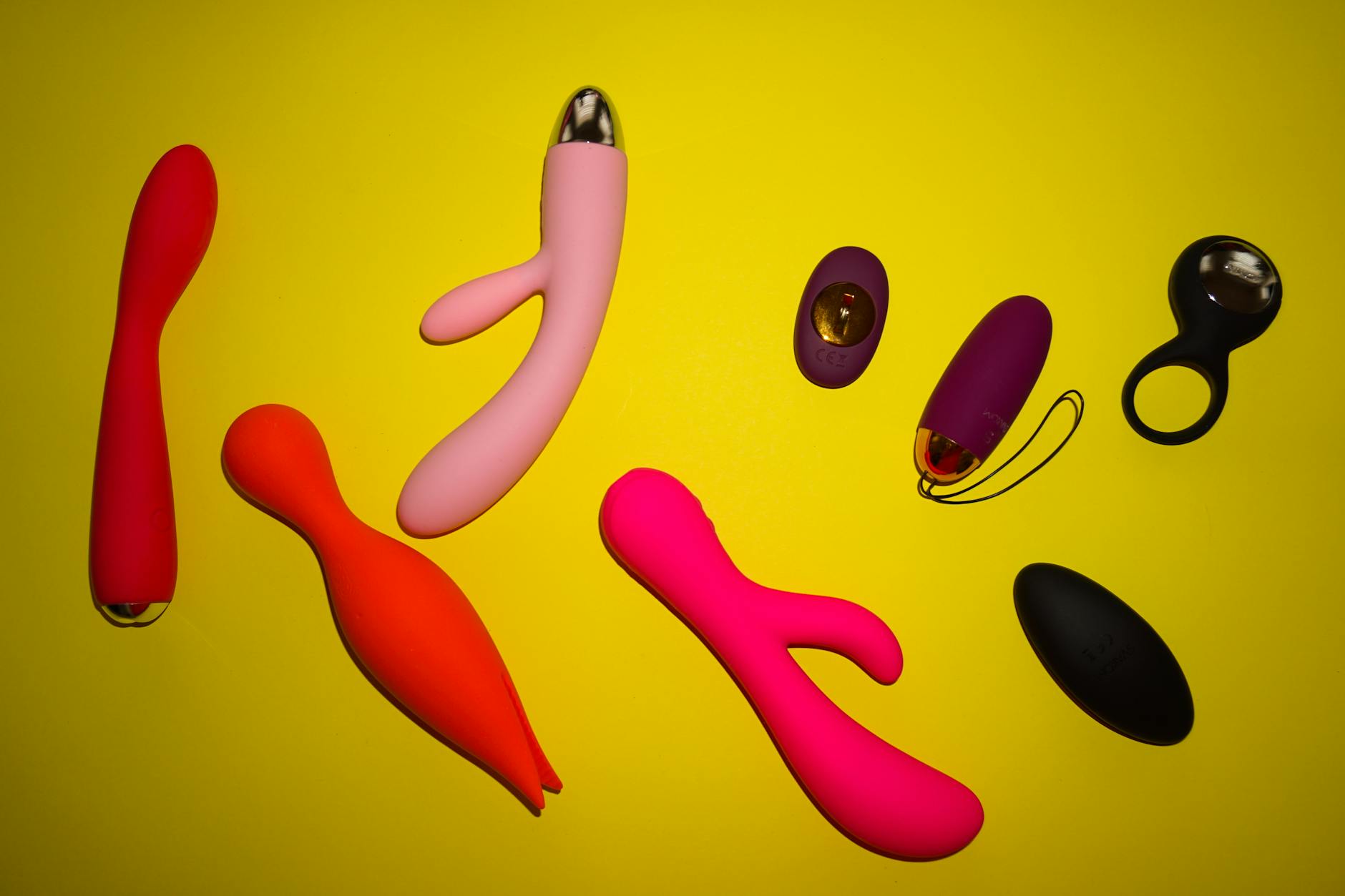
Lemon clitoral vibrators use air-suction technology instead of direct vibration. That matters more as you age than you'd think.
With age-related sensitivity changes, what you need is precision without harshness. A standard vibrator buzzes directly on tissue. A lemon sucker creates a gentle seal and pulses the stimulation inward, like a soft kiss rather than a buzz. That's a completely different sensation. For someone experiencing the intensity flip, this is the difference between pleasure and pain. For someone with numbing, the suction actually pulls blood into the tissue, which can restore some sensation without overwhelming an aging nervous system.
The lem vibrator also lets you control the pattern and intensity granularly. If your sweet spot shifted, you can experiment with lower settings first. You're not locked into one experience.
Adjusting your approach as sensation changes
Four practical shifts that actually work.
Start lower than you think you need. This sounds obvious, but most people jump straight to the intensity they liked five years ago. Don't. Begin at setting one or two. Stay there for five full minutes. Your body needs time to wake up. Sensation often builds more slowly with age, and racing to high intensity can override your body's actual response. Patience changes the game.
Lengthen your warm-up. If foreplay used to be five minutes and now you need fifteen, that's not a problem. That's your body telling you what it needs. Use that time. Explore your body. Let anticipation build. Some of my clients report that this actually deepens pleasure, because there's more time for mental focus instead of just chasing sensation.
Experiment with angle. The clitoral hood thickens with age sometimes, which means direct contact feels different. Try stimulating around the sides of the clitoris instead of head-on. With a lemon vibrator, you can angle it and find pockets of sensation you might have forgotten existed. This is detective work, and it's worth doing.
Add lubrication even if you don't think you need it. Tissue changes with age. Water-based lubricant isn't about malfunction. It's about matching your body where it actually is. It reduces friction and can make sensation feel clearer, not more intense. Better sensation often comes from working with your body, not against it.
The mental shift that matters most
Here's what I've learned from working with couples through these transitions: the physical changes are real, but the biggest block is usually between your ears.
You expect to feel like you did before. When you don't, you assume decline. That assumption kills pleasure faster than any physical change. The moment you stop expecting your body to perform like a previous version of itself and start actually paying attention to what it's telling you now, sensation often returns. Not the old sensation. A different, sometimes deeper sensation.
If you're using a lemon vibrator for the first time while navigating sensitivity changes, give yourself permission to explore without a goal. Not every session has to lead to orgasm. Sometimes the goal is just sensation. Sometimes it's tuning in. This removes the pressure that often blocks pleasure in the first place.
If you have a partner, this is a conversation worth having directly. "My body responds differently now" is information, not criticism. Framing it that way invites curiosity instead of shame.
When age-related changes signal something else
If sensitivity changes happen suddenly rather than gradually, that's worth flagging. Sudden numbness can point to nerve issues, medication side effects, or hormonal shifts that benefit from medical attention. A good GP or gynecologist can help sort this.
If sensation changes come with pain, that's also worth investigating. Genital pain with age can be hormonal, pelvic floor related, or something else entirely. A pelvic health specialist can rule things out quickly.
But most age-related sensitivity shifts are just... aging. Which sounds sad until you realize it's also an opportunity to discover your body again.
The long version of this story
I had a client in her mid-50s who hadn't used any kind of vibrator in over 20 years. She mentioned during a session that she'd lost interest in sex entirely after menopause, and she'd just accepted it. When I asked if she'd tried newer toys designed for sensitivity changes, she was skeptical. She got a lemon clitoral vibrator, mostly to prove the point that nothing would help.
Three weeks later, she told me she'd had orgasms she hadn't experienced in a decade. Not because the toy was magic. Because it matched where her body actually was, not where it used to be. She'd been trying to use the same mental framework and the same techniques on a body that had changed. Once she adjusted the approach, pleasure came back.
That's not exceptional. That's common. Your body at 50 is not broken. It's different. And different, once you learn its language, is often richer.
FAQ: Clitoral sensitivity and lemon vibrators
How do I know if my sensitivity loss is normal aging or something else?
Gradual changes over months or years are typically normal. You might notice orgasms take longer, require different angles, or feel less intense. Sudden changes, especially paired with pain or other symptoms, warrant a doctor visit. A good rule: if the change feels like a slow drift, it's probably aging. If it feels like a switch flipped, get it checked.
Can a lemon vibrator actually restore sensation?
Not restore, exactly. But the suction technology stimulates nerves and increases blood flow to tissue in a way that can make sensation feel clearer and more present. You're not fixing numbness. You're waking up the tissue that's there. The lem vibrator is particularly effective here because it doesn't rely on intense vibration, which can actually reduce sensation for some people as they age.
Does clitoral sensitivity always decrease with age?
Not always. Some people experience more sensitivity, particularly during hormonal shifts like perimenopause. Others feel almost no change. Age affects people wildly differently depending on hormones, medications, stress, relationship dynamics, and pure genetics. The only certainty is that your body will change. How it changes is individual.
Is it normal to need more intense stimulation as I get older?
It's common, but not universal. Some people need more intensity, others need less. If you're finding yourself cranking up the buzz to feel anything, that can signal numbing. But it can also signal that you need a different type of stimulation. That's why a lemon vibrator's variable patterns matter. You might find that a gentler suction pattern with better focus feels more effective than a higher vibration setting.
How do I bring this up with a partner if my needs have changed?
Frame it as information, not rejection. "My body responds differently now, and I'd like to explore that together" is concrete and inviting. Show them, don't just tell them. If you've learned that you like slower warm-ups or different angles, demonstrate that. Partners are usually relieved to have clarity instead of guessing or taking changes personally.
**Can hormonal changes like perimenopause affect clitoral sensitivity?
Yes. Perimenopause can create wild swings in sensitivity. Some days sensation feels electric, other days muted. This usually settles post-menopause, but during the transition it can feel like your body's gaslighting you. It's not. It's just hormones surging and dipping. A lemon vibrator's adjustable settings help you match whatever your body is doing that day without having to hunt for a new toy every time hormones shift.
The simple truth
Your clitoris doesn't expire. It evolves. And once you accept that evolution instead of fighting it, pleasure stops being something you're chasing and becomes something you're actually experiencing. A lemon vibrator, with its suction technology and adjustable intensity, is designed for a body that's changed. Which means it's designed for your actual body right now.
If you're curious about exploring sensitivity changes with a partner, that conversation starts with honesty. "I'd like to try something new and pay attention to what actually feels good" opens doors. If you're exploring solo, same principle. Pay attention. Adjust. Repeat. Your pleasure matters at every age. And your body's telling you exactly what it needs. The only work is listening.