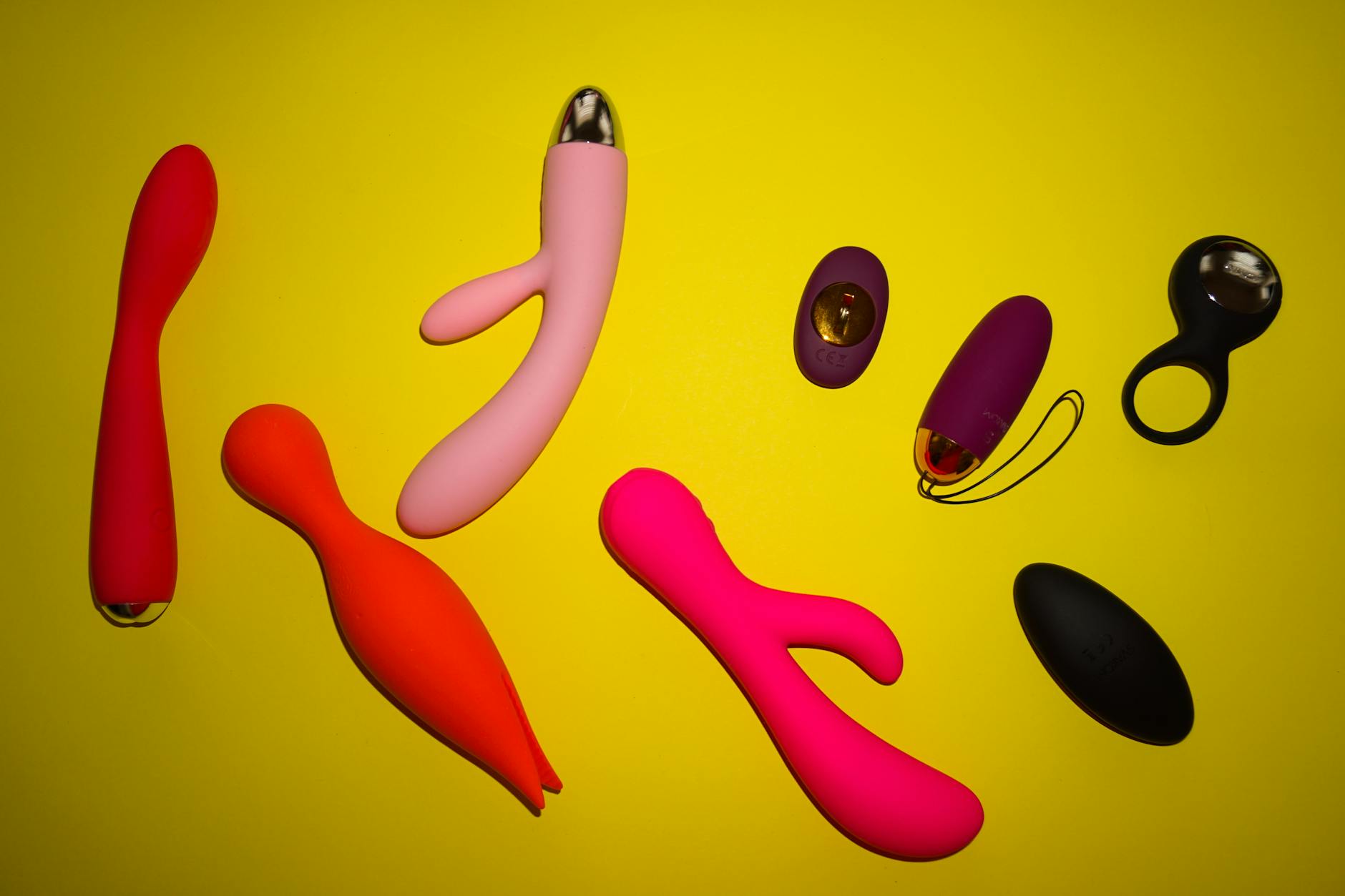
Let's talk about the thing nobody mentions
Clitoral oversensitivity is real, it's more common than you think, and it's not a signal that something is wrong with you. It's a signal that your body needs a different strategy.
When touch feels sharp or almost painful instead of pleasurable, most people assume they should just push through. They don't. They stop trying. But there's a middle path, and it starts with understanding why stimulation that feels good to some people feels like too much to you.
Why your clitoris might feel overactive
The clitoris has roughly 8,000 nerve endings concentrated in a space smaller than a pea. That's more nerve density than anywhere else on your body. For some people, that's a gift. For others, it means even light touch can feel jangling, almost electric in a way that shuts pleasure down rather than building it up.
Oversensitivity can show up for several reasons. Anxiety keeps the nervous system in a low-alert state, which amplifies sensation. Hormonal shifts (especially around your cycle) can make the tissue more reactive. If you've experienced any kind of trauma, your clitoris might be holding that in the form of defensive sensitivity. Sometimes it's just how you're wired, and that's fine too.
The key thing: it's not that you can't feel pleasure. It's that direct, high-intensity stimulation is the wrong tool. A lemon vibrator's suction-based approach, combined with intentional technique, can actually be the better choice.
Why suction changes the game for oversensitive anatomy
Here's the crucial difference. A traditional vibrator bounces against your clitoris repeatedly, like a finger tapping really fast. For oversensitive bodies, that can feel relentless. Suction works differently. It creates a gentle pulling sensation that stimulates the nerves without the same kind of direct mechanical pressure.
Think of it like the difference between someone rapidly tapping your arm (annoying) versus someone gently holding your arm and creating a slight vacuum (soothing). The lemon vibrator and similar clitoral vibrators using suction technology sit around the clitoris rather than vibrating directly on it. Your body gets stimulation, but through a different sensory pathway.
This is why people with oversensitive clitorises often report that a lemon sucker feels gentler than traditional vibrators, even when the intensity setting is higher. The sensation is distributed and indirect rather than concentrated and sharp.
How to start building tolerance (not pushing through pain)
Building tolerance isn't about gritting your teeth. It's about gradually teaching your nervous system that touch can feel good instead of alarming. Here's how:
Start with the lowest setting. On the lemon vibrator, that's pattern 1. Sit with that for 2-3 minutes before even considering turning it up. Your body needs time to recognize that this sensation is safe.
Use it over clothing first. Yes, really. If direct contact feels too much, try using the lemon clitoral vibrator through underwear or a thin layer of fabric. The barrier softens the sensation while your nervous system adjusts. After a few sessions, move to bare skin if you want to.
Pair it with arousal. Don't jump straight to the toy. Spend 10-15 minutes on foreplay, fantasy, or whatever builds actual desire for you first. A body in arousal mode tolerates sensation differently than a body that's neutral or anxious. Arousal is the unlock.
Stop before it gets uncomfortable. This is the opposite of what you've probably been told. You're not training yourself to tolerate pain. You're training yourself to recognize the edge between "this feels intense but good" and "this feels like too much." Stay on the good side of that edge. Your nervous system will gradually expand what "good" means.
Positioning and angle matter more than you think
Where you place the lemon vibrator makes a huge difference for oversensitive bodies. The clitoris isn't just the visible bump. It's got internal branches that extend down and to the sides. If direct pressure on the tip feels awful, try angling the toy slightly to the side or using it lower on the clitoral mound instead.
Some people find that using the lemon vibrator at an angle (instead of dead-center) spreads the sensation out and feels less intense. Others do better with the toy positioned slightly lower, where the tissue is less sensitive. It takes a few tries to figure out your angle, but once you do, it changes everything.
Also try moving the toy slowly instead of holding it still. Gentle movement across the area can feel less overwhelming than static pressure, even at the same intensity setting.
What you're really doing here
You're not fixing yourself. You're learning your body's language. Some people are naturally more sensitive. That's not a flaw. It means you might need to approach pleasure more thoughtfully than someone else, and that's actually an advantage. Thoughtfulness builds deeper sensation over time.
Using a lemon vibrator with oversensitivity is also a chance to notice what your nervous system actually responds to. Maybe you discover that you prefer indirect stimulation always, not just when you're dealing with oversensitivity. Maybe you learn that pairing touch with sound or fantasy makes a difference. Maybe you realize that slow, rhythmic sensation builds more reliable pleasure than intensity does.
These discoveries aren't about compensation. They're about optimization.
When to recalibrate or seek support
If oversensitivity is new and came on suddenly, check in with what else is happening. High stress, changes in medication, hormonal shifts, or relationship tension can all show up as genital oversensitivity. Sometimes addressing the underlying thing (therapy, medication adjustment, a conversation with your partner) changes everything.
If oversensitivity is persistent and has been there a long time, it's worth mentioning to a gynecologist or pelvic floor physical therapist. There are real conditions (like vulvodynia or vestibulodynia) that cause persistent clitoral pain. They're treatable. You don't have to manage this alone.
What you're doing with the lemon vibrator in the meantime is valuable data. You're learning what you need. Bring that information to a professional if you decide to. It helps them understand your body better.
A gentle truth
Clitoral oversensitivity doesn't mean your body is rejecting pleasure. It means your body is asking for a different conversation. A lemon vibrator gives you a way to have that conversation on your body's terms, not on the terms of generic sex advice or traditional toys designed for bodies with different wiring. That's not compromise. That's precision.
People Also Ask
Is clitoral oversensitivity permanent?
Not necessarily. Oversensitivity often shifts over time as stress decreases, hormones rebalance, or your nervous system gets better at distinguishing between threat and pleasure. Some people find that working with a pelvic floor therapist or a trauma-informed therapist speeds that up. Others discover that oversensitivity becomes less of an issue once they stop trying to force the "right" way to feel pleasure and start exploring what actually works for their body. Patience and consistency matter more than intensity.
Can I use a regular vibrator if my clitoris is oversensitive?
Some people can, depending on the vibrator and the sensitivity level. Gentler vibrators with lower baseline intensity are easier to tolerate than powerful ones. But many people with oversensitive clitorises find that suction-based toys like the lemon vibrator feel significantly better because the sensation is distributed differently. If you want to experiment, start with the lowest setting and approach it the same way you would with any toy: slowly, over time, paired with arousal.
Does oversensitivity go away if I use toys more often?
It can, but "use it more" isn't quite the right framing. What helps is consistent, low-pressure exposure paired with arousal in a calm nervous system state. Think of it less like "desensitizing" and more like "teaching your body that this is safe." For some people, that happens in weeks. For others, it takes months. There's no standard timeline.
Should I see a doctor about oversensitivity?
If oversensitivity is new, sudden, or causing pain (not just discomfort), yes, absolutely. If it's been there a long time and you're just learning to work around it with toys, that's fine too. A healthcare provider can rule out physical causes and sometimes offer targeted help (like topical numbing cream as a bridge, or pelvic floor therapy). But you don't need a diagnosis to start exploring what works for your body.
What's the difference between oversensitivity and normal variation?
Normal variation means touch sometimes feels intense but is still pleasurable. Oversensitivity means touch often feels sharp, jangling, or mildly painful even when light. If you're not sure which one you're experiencing, pay attention to what your body is telling you. Does the sensation make you want to lean in or pull away? That answer usually clarifies things pretty quickly.
Can my partner help me work through this?
Absolutely. If you have a partner, letting them know what's happening ("My clitoris is oversensitive right now, so we might try longer foreplay" or "I want to use the lemon vibrator because direct touch is too much") actually brings people closer. It shows trust and invites them into your actual experience instead of a generic fantasy of what sex "should" look like. Partners who understand this usually find the sex gets better, not worse. Your specificity is not a burden. It's an invitation to really know you.
Your pleasure matters. Oversensitivity doesn't change that. It just means you get to be thoughtful about how you build it.