
Let's be real about what relationship changes do to desire
You get married, move in, have kids, go through a job transition, recover from an illness, or spend years working through conflict. Something shifts. Not your partner, not your capacity for pleasure, but the space where desire used to live. It gets crowded. You're managing logistics, emotions, resentment, or just the sheer exhaustion of navigating a new normal. Desire isn't gone. It's blocked.
That's not a sign you're broken. It's a signal that your nervous system is working overtime and your body has deprioritized sensation. Which means the way back isn't through forced intimacy or guilt or waiting for things to magically improve. It's through deliberate, solo reconnection.
A lemon clitoral vibrator becomes less of a toy and more of a permission slip to rebuild the neural pathways that lead back to your own pleasure.
Why desire gets stuck when life reorganizes
Relationship changes trigger a cascade of nervous system shifts. When you're navigating a major transition, your brain is managing threat processing. Conflict, vulnerability, new logistical demands, grief over what's changed. Arousal is a luxury your system can't afford when it's in problem-solving mode.
Additionally, desire is wildly context-dependent. If sex has become tied to obligation, performance, or tension with your partner, your body learns to suppress arousal as a protective mechanism. That's not dysfunction. That's wisdom. Your body is protecting you from vulnerability when vulnerability doesn't feel safe.
The problem: over time, that protective suppression becomes habitual. You stop generating desire signals even when the context improves. Your arousal system needs to be rewired. Slowly. Intentionally. Solo.
The three-phase approach to rebuilding desire with a lemon vibrator
Phase One: Solo sensation without pressure (weeks 1-2)
Start alone. Not because partner sex is off the table, but because solo exploration removes every external variable. No performance expectation. No timing. No watching for your partner's reaction.
Hold your lemon vibrator. Turn it on the lowest setting. Spend 10 minutes just noticing where you feel it most acutely. Not looking for orgasm. Looking for sensation. This is literally retraining your nervous system to recognize and register pleasure signals.
Many people report that after months or years of suppressed desire, this single step feels revelatory. Your body remembers. It just needs permission.
Phase Two: Building arousal literacy (weeks 3-4)
Once you've found your most responsive zones, start mapping out your arousal sequence. What thought, image, or sensation begins to shift your body before you even turn on the lemon sucker? Is it a fantasy? A memory? The feeling of anticipation itself?
Use your device intentionally here. Start with your body already warm. Take a full 20 minutes. Build, plateau, slow down, build again. You're not chasing orgasm. You're learning the landscape of your own arousal so thoroughly that you can access it intentionally.
This is the phase where many people notice desire returning for the first time in years. It's not because the toy is magic. It's because you're proving to your nervous system that pleasure is safe and available.
Phase Three: Reintegrating with your partner (weeks 5 onward)
Once you've rebuilt confidence in your own desire, the conversation with your partner changes. It's no longer "I want us to have sex again." It's "I've been rebuilding my own pleasure, and I want to bring that into our connection."
You might use the lemon vibrator together, but not as a fix for a broken system. As a bridge that makes your desire visible. You might take solo time with it before partner sex so your body arrives already warm and responsive. You might keep it in the bedroom as permission that pleasure matters.
The point: your partner sees you prioritizing your own sensation. That's the shift that rebuilds safety and interest on both sides.
Why a lemon vibrator works specifically for stuck desire
A lemon clitoral vibrator offers something most other toys don't. The suction pattern creates a building sensation rather than relentless direct stimulation. Your nervous system can more easily detect and respond to it. You're not numb to it. You're being invited into it.
Addditionally, the design is discreet enough that it doesn't feel clinical. You're not holding a wand that screams "sex toy." You're holding something that feels intentional, modern, and frankly, a little bit luxurious. That matters for your nervous system too.
For someone rebuilding desire, that gentleness in approach is essential. You're not trying to force an orgasm. You're trying to make pleasure feel safe again.
The timeline is messier than you think
Honestly, some people reawaken desire in three weeks. Others take three months. The difference isn't about how much you use the toy. It's about whether your nervous system believes safety is returning in the relationship itself.
If you're using a lemon vibrator solo but your partner is still emotionally unavailable or the conflict is unresolved, you'll hit a ceiling. Pleasure builds on trust. So does this work.
If you're also doing relationship repair work, couples therapy, individual therapy, or honest conversations about what shifted, the lemon vibrator becomes a genuine accelerant. You're rebuilding multiple systems at once.
Don't expect linear progress. You'll have weeks of solid sensation and weeks where arousal dips. That's normal. What matters is that you're staying the course without judgment.
What happens when desire returns
Most of my clients describe it as recognition rather than novelty. Like running into someone you haven't thought about in years and suddenly remembering why you loved them.
Your body remembers how to want. Your nervous system learns that pleasure is still available. Your relationship context shifts because desire was never actually missing. It was hiding, waiting for permission.
That permission often starts with a lemon vibrator and 10 minutes alone. And then it spreads.
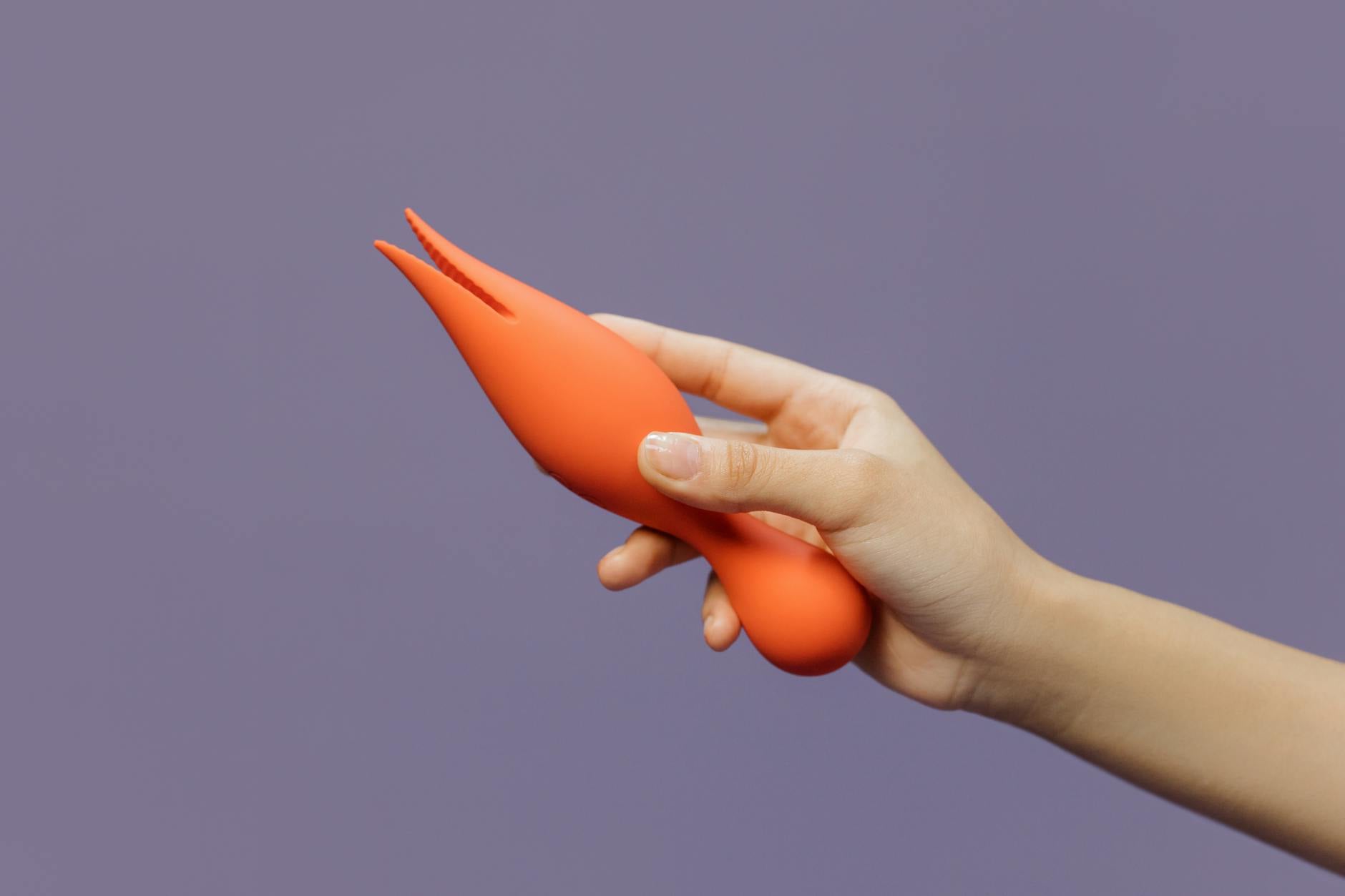
Photo by cottonbro studio on Pexels
Practical setup for your solo work
Pick a time when you're actually rested and not resentful. Not bedtime when you're exhausted. Not after a fight. Not carved out from time you needed for yourself.
Pick a space where you won't be interrupted. That matters for your nervous system. Close the door. Tell your partner you need time for yourself. No explanation required.
Have lubricant nearby. Water-based, no fragrance. The lemon vibrator works beautifully without it, but many people prefer a touch of glide.
Start with zero expectations. This is exploration, not performance. You're allowed to turn it off after five minutes. You're allowed to use it for 45. You're allowed to feel nothing and try again next week.
One thing that helps: write down what you notice without judgment. Not "I should be more aroused" but "I felt sensation strongest here" or "I was thinking about this when I felt a shift." You're collecting data about your own body. That data is gold for understanding what desire needs from you.
When to bring your partner in
Don't rush this. Seriously. The single most common mistake I see is someone rebuilding solo desire and then immediately expecting partner sex to work. It doesn't. Your partner was part of the context that made desire unsafe. Presence alone doesn't undo that.
Instead, create small moments where your partner witnesses your desire returning without being responsible for it. Use your lemon vibrator while your partner is in the room but not performing. Describe what you're feeling. Let them see you prioritizing pleasure. That shift in dynamic alone rebuilds safety.
When you do bring partner sex back into the picture, use it as one tool among many. The lemon vibrator might stay in the mix. Many couples find that solo tools in partnered sex actually deepen connection because both people's pleasure is visible and prioritized.
Check in with your partner about what shifted. Did they notice you returning to yourself? What do they need to feel safe again? Often, desire isn't just a personal rebuild. It's a relational one. You're both learning to want again.
FAQ: Desire, lemon vibrators, and relationship transitions
How long does it take for desire to come back after a major relationship change?
There's no timeline that applies to everyone. Some people regain desire in weeks, others take months. The variable isn't the toy or how often you use it. It's whether your nervous system feels safe in the relationship. If you're also doing work on the relational issues that triggered the desire loss, you'll see shifts faster. Solo practice is essential but not sufficient.
What if I use the lemon vibrator solo and still feel nothing?
That's not failure. That's information. It might mean your nervous system still doesn't feel safe. It might mean you need more mental or emotional foreplay before your body can respond. It might mean you need to address the relationship context more directly before solo work will take hold. Talk to a therapist. Sometimes desire loss is a signal worth listening to.
Can I use a lemon clitoral vibrator if my partner doesn't know?
Yes. And it might be worth examining why they don't know. Not as judgment, but as information. If vulnerability feels unsafe enough that you're hiding your pleasure, that's the real work. The toy is secondary. Consider whether you're in a relationship that's worth staying in and rebuilding desire for. Sometimes the answer is yes. Sometimes it's no.
Should I tell my partner about my solo practice?
Eventually, yes. Not because you owe them access to your body, but because transparency rebuilds safety. You don't have to describe every session. But "I'm taking time to reconnect with my own desire" is information that shifts the relational dynamic. It says: I'm taking this seriously. I'm investing in us. That matters.
What if using the lemon vibrator solo feels selfish or like cheating?
It's neither. You're repairing your own nervous system so you can show up more fully in the relationship. That's the opposite of selfish. That's necessary. If your partner has framed solo pleasure as betrayal, that's a relational issue worth exploring with a therapist. Healthy relationships make space for individual pleasure and self-knowledge.
How do I know when I'm ready to involve my partner again?
You'll feel it. You'll notice you're thinking about sex without resentment. Your body will feel responsive not just to the lemon vibrator but to your partner's presence. You'll feel curious rather than obligated. When those things align, you're ready. Not before.
The real work is relational
Here's what I want you to know: a lemon clitoral vibrator is a beautiful tool for reconnecting with your own sensation. But it's not the fix for stuck desire after relationship changes. The fix is you deciding that your pleasure matters, your safety matters, and your relationship is worth rebuilding.
The lemon sucker is the permission slip. Your own courage is the actual work.
Start solo. Give yourself weeks. Rebuild what was lost slowly. And when you're ready, bring that returning desire back to your partner. Not as obligation. As invitation. That changes everything.
Ready to explore this more intentionally? Learn how to choose the right lemon vibrator for your body and your needs. And if the relational work feels too big to navigate alone, I'm here to help.