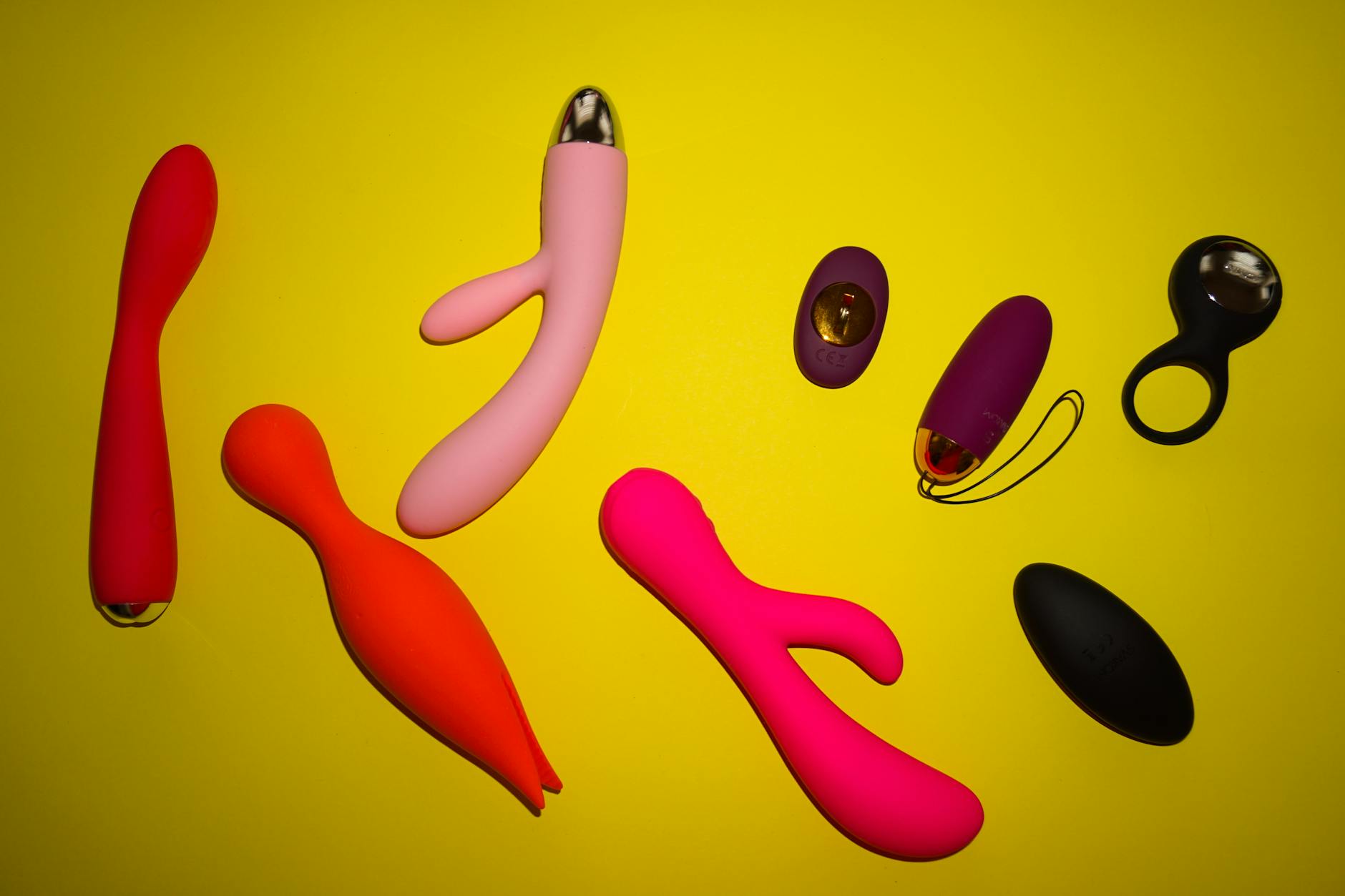
The numbness that depression creates
Depression doesn't just lower your mood. It flattens pleasure itself. Food tastes like nothing. Music feels distant. And desire becomes a concept you read about but don't actually feel anymore. This happens because depression alters dopamine and serotonin signaling in the brain's reward centers, literally dulling the capacity for pleasure at a neurochemical level.
When you're in it, that flatness feels permanent. When you're coming out of it, something strange happens: tiny moments of sensation return, but they come quietly and unpredictably. A song makes you feel something. You notice warmth. And sometimes, very gradually, you start to notice your body again in ways that aren't painful.
If that's happening to you right now, you're at an important threshold. The question isn't how to force desire back. It's how to notice it when it arrives, and how to nurture it without overwhelming a nervous system that's only just learning to feel safe again.
What returning desire actually looks like
It's not the desire you remember from before. Don't wait for that version to show up, because that will keep you waiting for the wrong thing.
Returning desire after depression often shows up as:
Micro-moments of curiosity about your body. Not sustained arousal. Just a thought that crosses your mind: "I wonder what that would feel like." That's it. That's the signal.
A slight increase in energy or motivation. You want to shower longer. You care about how sheets feel against your skin. You're noticing physical sensations again, even neutral ones.
Gentle physical responsiveness. Your body responds to touch a little faster than it did last month. Not dramatically. Just a half-second faster, a tiny flutter instead of nothing.
An impulse to explore something, even out of curiosity. Not obligation, not "I should want this." Just genuine wondering.
These are the real markers. They're small, which is why they're easy to miss or dismiss. But they're also honest. They're not you forcing yourself back into sexuality. They're you actually beginning to feel again.
Why the Lem works when sensation is returning
Air-suction technology (like the Lem clitoral vibrator) is particularly useful in this phase because it doesn't demand much from your nervous system. There's no aggressive vibration pattern to manage, no intensity you have to modulate through tension.
Instead, suction creates a gentle, sustained pressure that feels more like a hand than a vibrator. It's easier to tune into what your body is actually experiencing, rather than chasing a specific sensation or waiting for something big to happen.
For people whose pleasure centers are just starting to wake up, that matters. You don't need the most intense toy. You need a tool that lets you feel what's there without adding pressure or expectation.
The patience piece, which is actually non-negotiable
Here's what I see happen a lot: someone notices desire returning, feels a brief moment of hope, and then tries to move too fast. They set aside time, create the "perfect" situation, expect their body to cooperate.
Your nervous system has just been through something serious. Pushing it now, even gently, can shut it back down. The goal isn't to achieve anything. The goal is to spend five minutes noticing what your body feels like when something pleasant touches it.
That's all.
Start with curiosity sessions that last five to ten minutes. No outcome attached. No orgasm required. No timeline. You're literally just learning what your body feels like when it's starting to wake up. This matters more than you might think, because your brain needs repetitions of "sensation is safe, pleasure is possible" before it will let you experience deeper pleasure.
The practical steps for reconnecting
First: notice the moment you feel the micro-impulse. Don't act on it immediately. Just acknowledge it. "Okay, I noticed that I was curious about pleasure for the first time in months." That recognition itself is meaningful.
Second: create the smallest version of setup. You don't need candlelight or music or an hour. You need privacy, five minutes, and permission to stop whenever you want. Actually, that last part is critical. Your body needs to know the exit is always open.
Third: use manual touch first if you want. Some people benefit from spending a few sessions just touching their own body with curiosity, no toy involved. If that's you, do that first.
Fourth: when you do introduce the Lem or another clitoral vibrator, start on the lowest setting. Try pattern one first. Spend a few minutes just noticing the sensation. There's no right response. Numbness is possible. Tingling is possible. Nothing dramatic might happen, and that's completely fine.
Fifth: stop when you want to. Not when you think you should, or when something peaks. When you actually want to stop. Your body is learning that you listen to it and that pleasure is optional, not required.
Repeat this low-pressure exploration for a few weeks if you need to. Seriously. There's no race. Each time you do this, your nervous system gets another data point that pleasure is safe and available.
What to expect (and what not to expect)
Your body might respond immediately. Some people find that their pleasure centers come back online pretty quickly once depression lifts.
Your body might respond slowly. Weeks, even months of gentle exploration before things feel truly good again. This is also normal and doesn't mean anything is broken.
You might have sessions where nothing happens, and that's okay. You might have sessions where you feel genuinely good, and then nothing for a while. The return of pleasure isn't linear.
Orgasm might take longer to come back than baseline arousal. That's fine. Orgasm isn't the marker of success here. Feeling interested in your body is. Noticing sensation is. That's the real win.
The role of your partner (if you have one)
If you're in a relationship, this is a conversation. Not a demand or a timeline, but an honest one. "My desire is starting to come back, and I'm exploring gently. I might want to share this with you eventually, but I need some time alone with it first."
Why? Because partnered sex carries its own expectations and pressures, even with the most loving person. Your body needs to remember what pleasure feels like without also managing someone else's experience.
When you do decide to reconnect with a partner, the skills you've built with solo exploration transfer directly. You know what feels good. You know your pace. You can communicate clearly about what works.
When to talk to a doctor
If you're on antidepressants, talk to your prescriber about sexual side effects. Some medications genuinely can suppress desire and arousal. That doesn't mean you should stop taking them (depression is worse than low libido), but it means there might be adjustments worth discussing.
If desire isn't returning after depression has lifted and you've had a few months to reconnect, it's worth mentioning to your therapist. Sometimes low libido persists even after mood improves, and that's worth investigating.
And if pain appears during any exploration, stop and reach out. Depression can come with pelvic tension, and that's treatable.
Your pleasure matters. Not because you owe it to anyone, but because being able to feel good is part of being alive. Depression steals that. Reclaiming it, slowly and gently, is one of the gentler ways to tell yourself: I'm still here, and I'm beginning to feel again.
People also ask
Can depression medication affect sexual desire and sensation?
Yes. SSRIs and SNRIs are effective for depression but can suppress arousal and orgasm in about 40-60 percent of people who take them. If you're experiencing this, don't stop your medication. Instead, talk with your prescriber about timing (taking your dose after sex rather than before, if that's an option), dosage adjustments, or switching to a different class that has fewer sexual side effects. Wellbutrin, for example, is less likely to affect libido than SSRIs. The goal is finding the medication that helps your mood without sacrificing pleasure.
How long does it typically take for desire to return after depression?
There's no universal timeline. For some people, desire begins to return within weeks of mood improving. For others, it takes months. It depends on how long you were depressed, how severe it was, what medications you're on, and your individual neurobiology. Rather than waiting for desire to suddenly appear, focus on noticing small moments of curiosity or sensation. Those micro-moments are the real beginning.
Is it normal to feel nothing when using a vibrator after depression?
Completely normal. Your pleasure centers might take time to reactivate. If you feel nothing with a lemon clitoral vibrator, try adjusting the pattern or intensity, but also give yourself permission for it to just feel like pressure with no sensation attached. That will change. You're training your nervous system to recognize pleasure as safe, and that takes repetition.
Should I tell my partner I'm exploring solo pleasure again?
That depends on your relationship and your comfort level. Some people benefit from exploring alone first to rebuild confidence and self-awareness. Others prefer openness from the start. The key is honesty: if you decide to explore solo, you don't need to hide it, but you also don't need to narrate every session. When you're ready to share that desire is returning, that's a good conversation to have.
What if desire returns but feels different than before?
It will feel different. Depression changes you. Coming back from it also changes you. Your body might respond faster or slower. Your preferences might shift. What felt good before might not now. That's not broken. That's just evolution. Spend time getting to know this new version of your desire without comparing it to the old one.
Can the Lem help if I'm still on antidepressants and experiencing numbness?
Possibly. The Lem's suction technology is gentler than traditional vibrators, which can help when sensation is muted. But if your numbness is medication-related, a different toy won't fully solve it. That's a conversation for your doctor. That said, using a tool like the Lem during the exploration phase can help you notice small shifts in sensation that you might otherwise miss.
You're not broken
Depression doesn't end your capacity for pleasure. It interrupts it. There's a difference. As your mood stabilizes and your nervous system learns to feel safe again, desire will return on its own timeline. Your job is to notice it when it arrives, create space for it gently, and trust that your body knows how to want things again.
That takes patience. It takes kindness toward yourself. And it takes permission to move slowly. If you're ready to start exploring and want to know more about how to approach this phase, we're here to help. Reach out anytime.