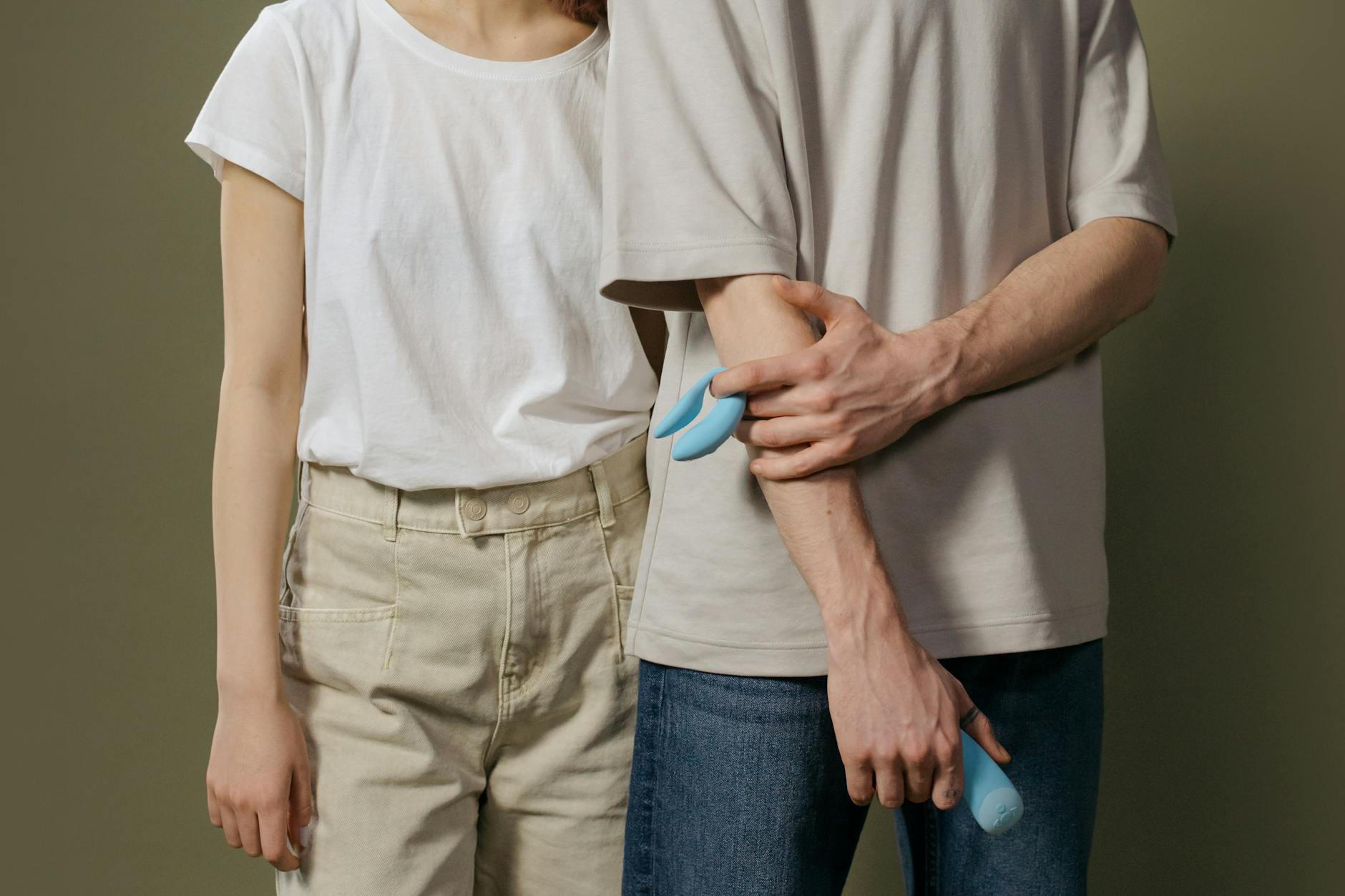
Let's name what's actually happening
Orgasm vanishing isn't a switch that flips off. It's a slow fade, usually invisible until you realize you haven't reached climax in months. And unlike low desire (which announces itself loudly), orgasm avoidance whispers. You keep trying because you think you should. Nothing happens. So you stop trying.
That's anorgasmia. Or sometimes it's situational. Or sometimes your body just hits pause on the whole system and nobody can tell you why.
Here's the thing: your nervous system isn't broken. It's protecting you from something.
Why orgasm actually goes missing
Orgasm requires four things at once: physical arousal, mental focus, emotional safety, and a nervous system that's in parasympathetic mode (the "rest and digest" state, not fight-or-flight). Remove one, and the whole chain stops.
The most common culprits:
Relationship tension. You're frustrated with your partner, resentful about household labor, or grieving lost intimacy. Your body knows the breach exists even if you're trying to ignore it. Climax requires trust. When trust is fractured, your nervous system locks the door.
Perfectionism about the experience itself. You've built up orgasm as a thing that MUST happen, especially during partnered sex. Now it's a performance metric, not a pleasure metric. The pressure kills the feeling.
Stress living in your hips. Work crisis, family illness, financial worry. The body stores tension in the pelvis first. A clenched nervous system can't let go enough for orgasm.
Medication or hormonal shifts. Antidepressants are the most obvious culprit, but hormonal birth control, thyroid imbalance, and perimenopause all flatten the orgasm response.
Numbing from routine. After years with the same partner, same position, same rhythm, your nervous system stops paying attention. Not because you're broken. Because it's bored.
Why lemon clitoral vibrators change the conversation
A lemon vibrator like the Lem works on orgasm avoidance in three specific ways.
First, suction stimulation bypasses the "trying too hard" trap. With a traditional vibrator, you're chasing intensity. With the Lem's suction mechanism, you're receiving sensation. That shift from doing to receiving can reset the nervous system enough to let arousal build.
Second, the sensation is novel. If numbness comes from routine, a new device wakes up nerve endings that have been on autopilot. The brain pays attention again. Attention is the first step toward arousal.
Third, solo use separates pleasure from performance. When you use a lemon clitoral vibrator alone, there's zero pressure to climax "on time" or in sync with a partner. You can explore at your own pace. This is where avoidance often breaks.
The four-step solo protocol
If orgasm has vanished, start here.
Step 1: Nervous system priming (10 minutes, no device). Before you touch anything sexual, regulate your nervous system. Deep breathing. A warm bath. Stretching. Something that signals safety to your body. Orgasm lives in parasympathetic mode. If you're wound up, you're already fighting yourself.
Step 2: Exploration without goals (15-20 minutes). Use the Lem on the lowest settings and spend time just feeling. No timer. No agenda. The goal is sensation, not climax. This removes the pressure that usually kills arousal. Many people find that when they stop hunting for orgasm, orgasm returns.
Step 3: Playfulness with intensity (10-15 minutes). Once sensation is flowing, slowly move through the patterns on the Lem. Notice what feels good in your body, not what you think should feel good. Some patterns will feel sharp, some muted, some electric. You're mapping your own pleasure, not chasing a finish line.
Step 4: Permission to stop. If climax doesn't happen, you've still succeeded. You've told your nervous system: pleasure is safe. Sensation matters. This is enough. That permission often matters more than the orgasm itself.
When you're working with a partner
If your person is in the picture, the conversation has to happen before clothes come off.
Say this: "Orgasm has felt hard lately, and I'm not sure why. I want to figure this out, but I need us to stop treating it like a goal. Can we focus on sensation instead?"
Then create a container for that. Maybe the Lem is something you use solo, and they know that's happening. Maybe you use it together, but the agreement is "we're exploring, not performing." Maybe you take sex off the table for two weeks and focus on non-sexual physical connection until the pressure lifts.
What kills couples in this situation isn't usually anorgasmia itself. It's the shame, the blame, the unspoken tension. Talk about it. Make it obvious that this is a nervous system question, not a relationship question. Most couples survive this remarkably well once it's named.
The permission you might need to hear
Orgasm is not a debt you owe anyone, including yourself. If it comes back, great. If it takes six months or a year, that's not a failure. Your body is trying to tell you something. Maybe it's stress. Maybe it's anger that needs addressing. Maybe it's medication, or a hormonal shift, or just a season of your life where pleasure looks different.
The Lem and other lemon adult toys are tools, not solutions. The real work is listening to what your nervous system is actually asking for. Sometimes that's sensation. Sometimes it's rest. Sometimes it's a difficult conversation with your partner or a conversation with a therapist.
Orgasm avoidance often breaks when you stop treating it as the problem and start treating it as information. Your body isn't failing. It's speaking.
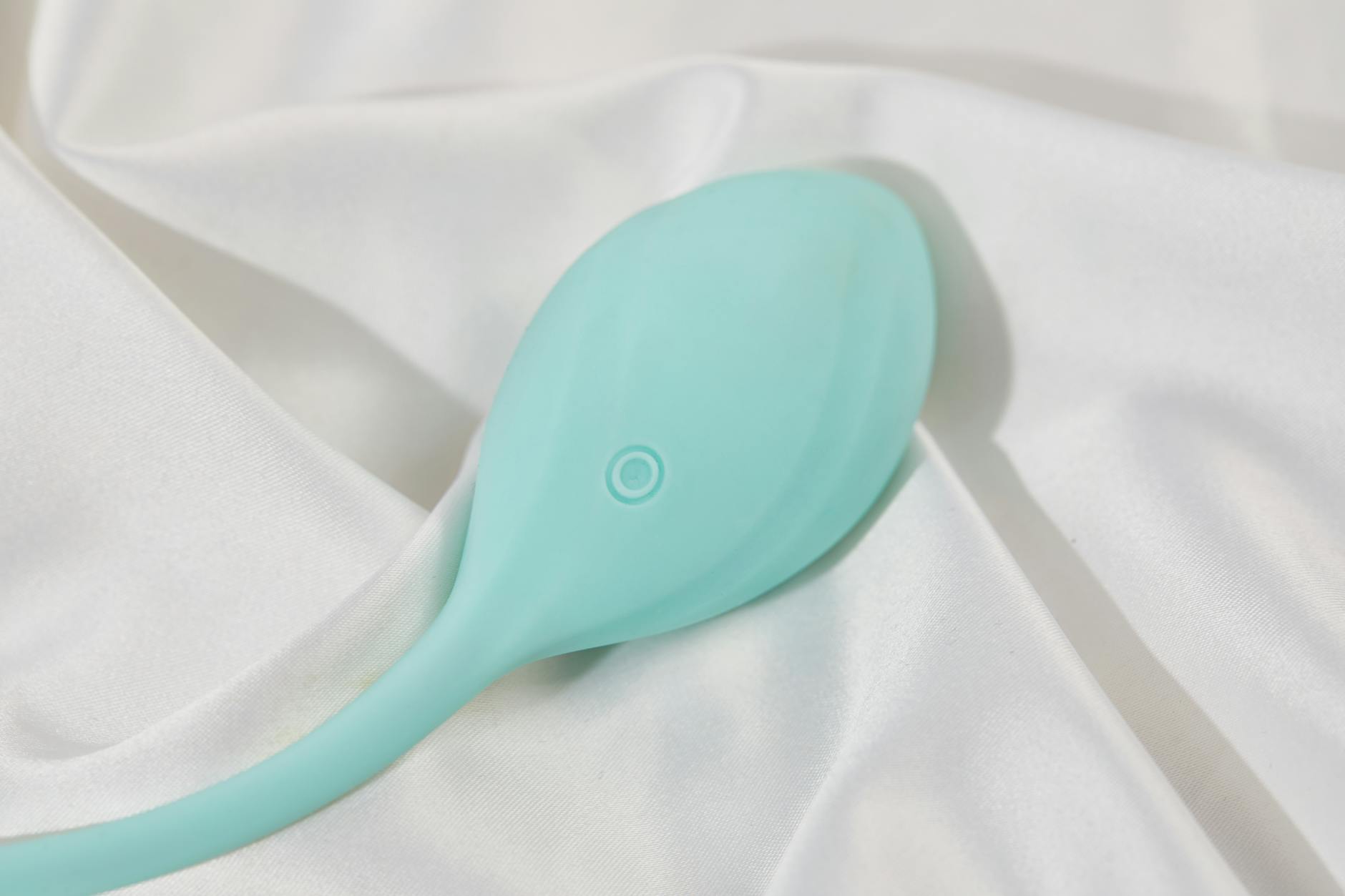
Photo by IFONNX Toys on Pexels
When to seek additional support
If anorgasmia has persisted for more than three months and you've ruled out medication side effects and major stressors, a conversation with a sex-positive therapist or OBGYN can help. Sometimes there's a medical component. Sometimes the nervous system needs more than a device. Both are worth checking.
Also true: if you've been in a relationship where your pleasure wasn't safe or welcomed, that history lives in your body. Rebuilding arousal after that kind of disconnection often needs professional support. That's not weakness. That's honesty.
FAQ
How long does it usually take to feel orgasm returning with a lemon vibrator?
It varies wildly. Some people feel a shift in sensation within a week of solo exploration. Others take four to six weeks. The timeline isn't the point. The point is that you're building permission and sensation awareness. Orgasm returns when the nervous system feels safe enough to let go. Rushing that defeats the purpose.
Can you use a lemon clitoral vibrator with a partner if orgasm feels blocked during partnered sex?
Absolutely. In fact, that's often the turning point. Using a lemon vibrator during partner sex removes the pressure for the body to climax "naturally," which paradoxically makes climax more likely. It also shows your partner exactly what kind of stimulation works. Many couples find this is where anorgasmia actually heals.
What if nothing changes and the lemon vibrator doesn't help?
Then it's time to explore what else your nervous system is saying. Is there relationship resentment? Unprocessed trauma? A medication side effect that needs a different approach? A lemon sexual toy is powerful, but it's not magic. Sometimes the block requires professional attention. That's information, not failure.
Does anorgasmia mean you're broken sexually or relationship-wise?
No. Anorgasmia is usually a signal. Your nervous system is protecting you from something. That something might be relationship tension, stress, medication, hormonal shifts, past trauma, or just being in a season where pleasure looks different. The orgasm didn't disappear because you're broken. It disappeared because you're listening to yourself, even if you don't understand the message yet.
Is it better to explore orgasm issues solo or with a partner?
Start solo if you can. Solo exploration removes the variable of performance and lets you map your own nervous system. Once you've rebuilt some sensation awareness and confidence, partner exploration often becomes easier. Many people move between both. The Lem works beautifully in solo sessions and during partnered intimacy.
What if your partner is frustrated that orgasm isn't happening?
This is the real conversation to have. Their frustration often signals that they're taking your body's response personally. That needs naming. Say: "This isn't about you or our attraction. This is my nervous system telling me something. I'm working through it. I need you to work through it with me, not against me." If your partner can't do that, that's different information, and you might want support from a couples therapist.
The path forward
Orgasm avoidance breaks when you stop treating it as a performance failure and start treating it as a nervous system communication. A lemon vibrator can be part of that conversation. Solo exploration can rebuild sensation and permission. Honest conversation with a partner can rebuild safety.
Your pleasure matters. Your body's signals matter. Orgasm will likely return when you stop forcing it and start listening to what actually needs to shift. That might be stress management. That might be relationship repair. That might be a medication change. Or it might just be time, gentleness, and a device that reminds your nervous system that sensation can feel good again.
If you're navigating this and need support beyond what you can figure out alone, talk to a therapist or reach out to Hello Nancy's team at /contact. You're not alone in this, and it's fixable.