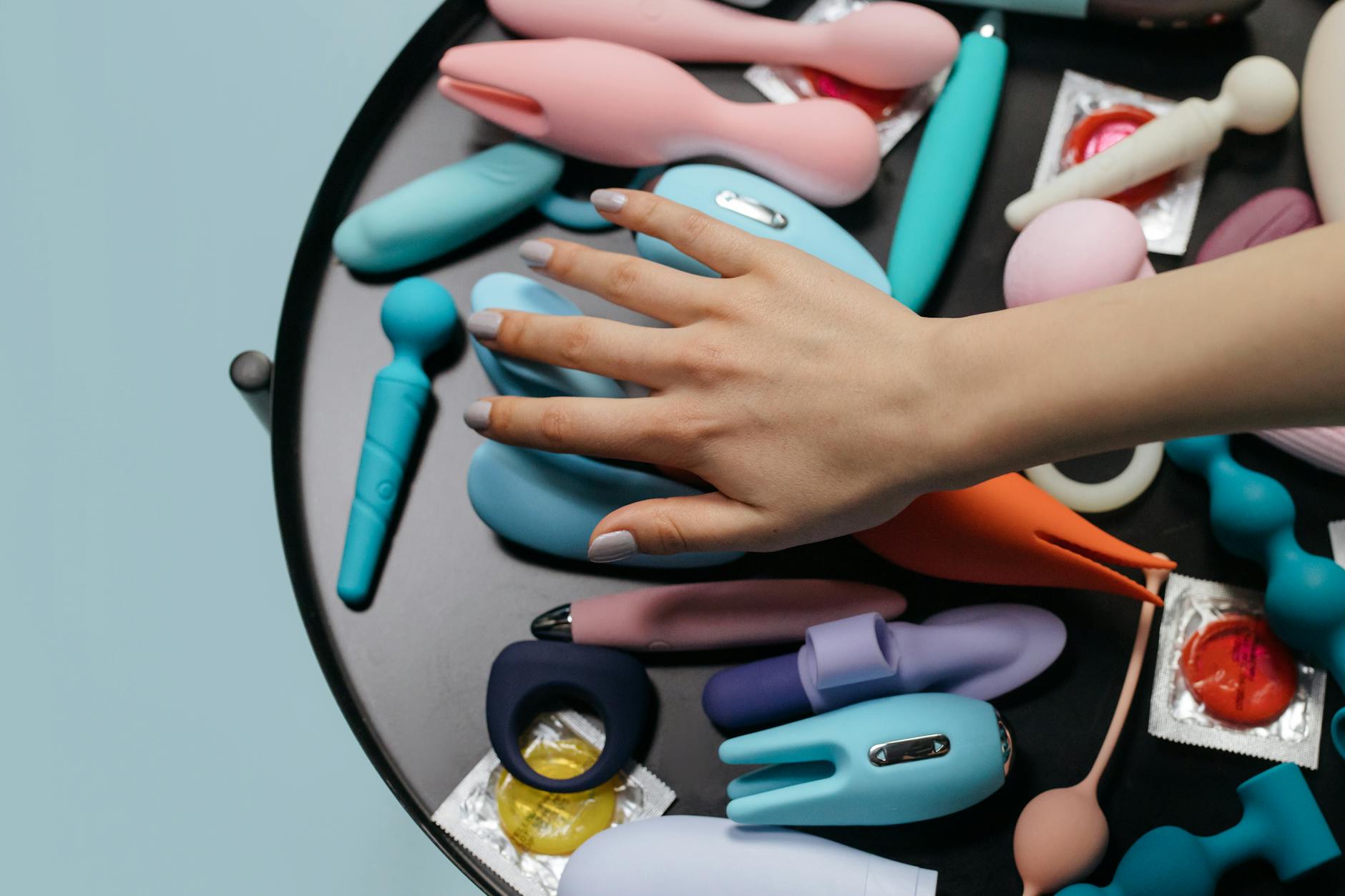
The refractory period nobody talks about
Here's the thing about refractory periods: they're wildly different from person to person, and almost nobody mentions this fact before you're already frustrated in bed wondering why your partner needs a nap and you're still ready to go. Or vice versa. The refractory period is the recovery time between orgasms. For some people it's five minutes. For others it's 45.
When you're partnered with someone whose timeline doesn't match yours, sex becomes a negotiation instead of a flow. One person finishes and suddenly you're both stuck in an awkward holding pattern.
What actually happens during refractory recovery
After orgasm, the body needs time to recalibrate. Blood pressure normalizes, heart rate drops, breathing steadies. The nervous system shifts from sympathetic (fight-or-flight arousal) back to parasympathetic (rest-and-digest). This reset is not optional. It's physiological.
For people with vulvas, refractory periods are often shorter and more flexible. For people with penises, they tend to be longer and more fixed, though this varies wildly. Age plays a role too. Medication, stress levels, and hydration all matter. The bottom line: you cannot speed up someone else's refractory period through willpower or negotiation. You can only work with it.
Why this matters for your dynamic
When refractory periods don't align, three things typically happen. One partner feels pressured to perform faster. The other feels left hanging. Both start to resent the mismatch instead of enjoying the sex. Over time, couples with unmatched refractory periods often pull back from partnered play altogether, which is the opposite of what you actually want.
This is where a lemon vibrator changes the entire math. Unlike partner-dependent stimulation, a clitoral vibrator works independently. It doesn't get tired. It doesn't need recovery time. It responds to you, not to someone else's biological clock.
How a lemon sucker fits into the refractory gap
Let's say your partner just finished their orgasm and needs 15 minutes to recover. Traditionally, you'd either stop, wait, or one person would go down on the other. All three options feel incomplete. But with a lemon vibrator on the table, the scenario opens up entirely.
Your partner can rest while you use a lemon clitoral vibrator. They can watch. They can caress you. They can be present without needing to perform. And when their refractory period ends, you're not starting from zero. You're already connected, already in the moment, already ready to sync back up. The vibrator becomes a bridge instead of a substitute.
The setup that actually works
Here's my standard recommendation for couples with mismatched refractory timings:
Start with aftercare, not more stimulation. After someone orgasms, their body needs 5-10 minutes of minimal pressure. Cuddle. Kiss. Light touching. Let them breathe. This is not downtime. This is essential recovery.
Introduce the vibrator at the 10-minute mark. Once they've settled, ask permission: "Want to watch while I use this?" The Lem works brilliantly here because it's visually striking. Watching your partner use a lemon vibrator is inherently sexy in a way that waiting around is not.
Stay in rhythm together, but differently. Your partner doesn't need to stimulate you during this phase. They just need to be present. You're building anticipation for when their refractory period actually ends and you can sync back up. This is often when penetration, partnered vibrator play, or mutual stimulation becomes even more intense because both of you are fully present again.
The confidence factor nobody mentions
Using a lemon vibrator during sex with a partner can feel vulnerable at first, especially if you've never introduced toys before. There's often an underlying fear: "Will they think I'm not satisfied without them?" Or even darker: "Does this mean they're not enough?"
Say this out loud to your partner before you even bring the toy into the bedroom: "I want to use this because I want more of you, not less. When my refractory period and yours don't line up, this keeps us connected instead of creating distance."
Most partners get this immediately. The vibrator is not a criticism. It's a solution to a real timing problem. And honestly, most partners find it genuinely sexy to watch their partner use a lemon clitoral vibrator. It's visible pleasure. It's vulnerability. It's trust.
Practical logistics that change everything
Lube is non-negotiable. Even if you don't usually use it, start now. A clitoral vibrator with lube feels completely different than without, and the sensation is often richer.
Keep the vibrator within arm's reach. Don't make it a production. It should be on the nightstand, not in a drawer two rooms away. When you need it, you need it now.
Set expectations about intensity levels. Some people want their partner to use a vibrator at medium intensity. Others prefer lower intensity so the experience stays collaborative rather than solo. Talk about this before clothes come off.
Use it during partnered sex, not just during refractory gaps. This is important. A lemon vibrator shouldn't only appear when one person is recovering. Use it when you're together, when refractory periods aren't even a factor. The more normalized the vibrator becomes, the less it feels like a workaround and the more it feels like just another tool for good sex.
What changes when you stop fighting the mismatch
Once couples accept that refractory periods are different and stop treating it as a failure, the whole dynamic shifts. Sex stops being a race to keep both people engaged simultaneously. Instead, it becomes something more interesting. Someone orgasms, and instead of panic about what happens next, there's curiosity. What does my partner want right now? How can we stay connected while honoring their biology?
A lemon vibrator makes this question answerable. You're not waiting for them to recover so you can start again. You're finding new ways to continue. Sometimes that's watching. Sometimes that's them using their hands on you while you use the vibrator. Sometimes it's dirty talk while you use the lemon alone while they rest.
The refractory period stops being a problem and becomes a structure that actually allows for more creative, more varied sex.
When to reach out for support
If the mismatch between refractory periods is causing real tension or resentment in your relationship, it might be worth talking to a couples therapist, especially one trained in sex-positive work. Sometimes a simple tool like a clitoral vibrator solves the friction. Sometimes there's deeper stuff going on around pleasure, equality, or vulnerability that needs professional attention. Both are valid.
The lemon vibrator is practical. The conversation is emotional. You usually need both.
People also ask
How long is a typical refractory period?
For people with vulvas, it ranges from a few minutes to an hour, and many people can have multiple orgasms without a refractory period at all. For people with penises, the average is 5 to 30 minutes, but can stretch to hours depending on age and individual biology. There's huge variation. The average is almost useless.
Can you shorten your refractory period?
No. You can support recovery through hydration, breathing, and staying relaxed, but you cannot speed up the biological reset. What you can do is plan around it instead of fighting it. This is where couples with intentional timing stop resenting the gap and start working with it.
Is using a vibrator during partnered sex supposed to feel weird?
Yes, it often does the first time. That's completely normal. The weirdness usually fades after 2-3 times because your brain recalibrates. A lemon clitoral vibrator is an object that creates sensation. After a few times, it's just part of the menu.
What if my partner is intimidated by a toy?
Talk before you introduce it. Be specific: "I want to use this when you need recovery time so we stay connected instead of stopping." Most hesitation comes from feeling threatened, not from the toy itself. When your partner understands the actual purpose, the resistance usually dissolves.
Does a lemon vibrator replace penetration or partnered stimulation?
No. It's one option in a larger toolkit. Sometimes you'll use it during refractory periods. Sometimes you'll use it during partnered sex. Sometimes you won't use it at all. The point is having it available when timing mismatches create gaps that need bridging.
How do I bring this up without making it awkward?
Straight up: "Our refractory periods don't always line up, and I think we could have more fun if we had another option during those gaps. Want to try using a vibrator together?" No apology. No framing it as fixing a problem. Just an idea for better sex.
The truth is that refractory period mismatches are one of the most common timing issues in partnered sex, and almost nobody talks about them. You and your partner aren't broken. Your biology is just different. A lemon vibrator makes that difference workable instead of frustrating. The goal isn't simultaneous orgasms every time. The goal is connection that doesn't stop when biology needs a minute to reset.