
The mismatch that nobody talks about
Here's the thing most couples don't realize until they're already frustrated: wanting different intensities during sex is not a sign of incompatibility. It's just biology. One partner's nervous system might crave deep, sustained pressure. The other's might feel overwhelmed by anything stronger than a whisper of sensation. And when you're trying to be intimate together, that gap can feel impossible to bridge.
I've worked with dozens of couples where this exact dynamic was quietly killing the erotic side of their relationship. He wants to use the vibrator at high speed for 20 minutes. She needs it at the gentlest setting or it becomes uncomfortable. Neither person is wrong. But without a real solution, one person ends up sacrificing, resentment builds, and touching each other becomes fraught.
A lemon vibrator changes this equation entirely because of how the technology works.
Why the lemon vibrator is different from other toys
Most vibrators work through steady vibration at various speeds. You turn them up or down, and the intensity increases or decreases proportionally. That's why couples often end up stuck. There's no sweet middle ground between his speed 7 and her speed 2.
Lemon clitoral vibrators use air-suction technology instead. This means the sensation doesn't scale linearly with intensity. Even at the highest setting, the suction is targeted and precise. It doesn't spread stimulation across a wide area the way a traditional vibrator does. And here's what matters for your specific situation: the gentle settings on a lemon vibrator feel genuinely gentle in a way that satisfies people who prefer softer touch, while the higher patterns still deliver the intensity that others crave.
In other words, you can both get what you actually want from the same toy.
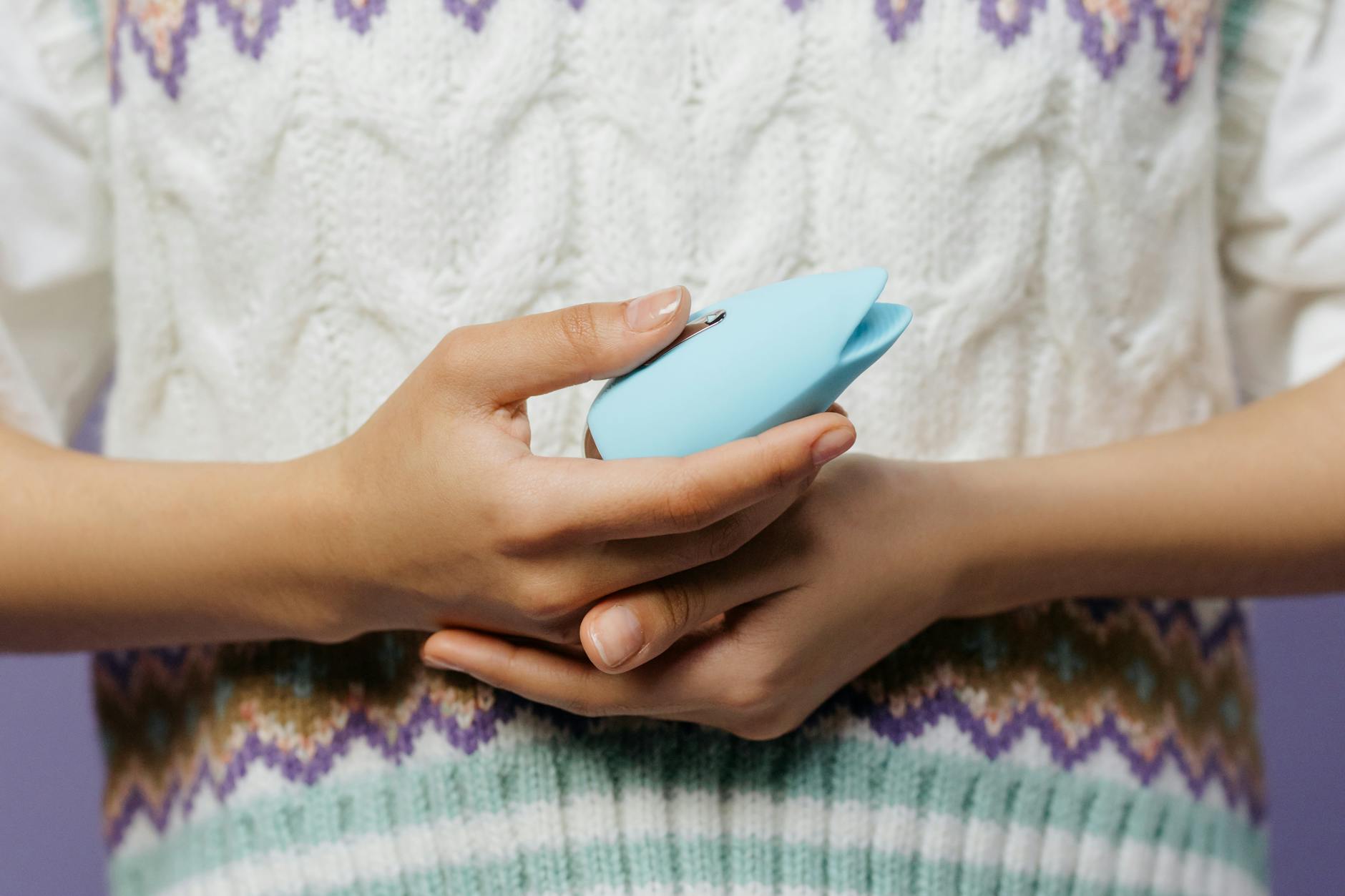
Photo by cottonbro studio on Pexels
Starting the conversation without awkwardness
Before you even pull out the lemon vibrator, you need to name the pattern. Sit down outside the bedroom and say something like: "I've noticed we seem to want different things when we're intimate, and I don't want that to be something we just accept. Let's actually talk about what feels good to each of us."
Avoid the blame frame entirely. Not "you always want it too intense" or "you never want enough sensation." Instead: "My body responds better to [gentler/more intense] stimulation. What about yours?"
Once you've named it, introduce the tool as a solution designed for exactly this problem. "I read that people with different sensitivity levels can use the same vibrator if it has different intensity patterns. Want to try that together?"
This frames the lemon vibrator as something that serves both of you, not as a workaround for your incompatibility.
How to actually use it when your preferences differ
Start with a conversation about which settings each partner prefers. Pattern 1, 2, or 3 is usually where people who like gentler sensation settle. Patterns 4 through 7 offer escalating intensity for partners who want more stimulation.
The crucial part: agree in advance which pattern you'll use during a given encounter. This isn't about inflexibility. It's about clarity. If you both know you're starting at pattern 2 because that's what feels right for one partner, there's no negotiation mid-experience, no one feeling like they're settling.
Then, rotate who chooses the setting across different intimate moments. One time, you honor her preference for gentleness. Next time, you honor his need for intensity. Over weeks and months, this stops feeling like a compromise and starts feeling like generosity.
Building sensitivity and desire at your own pace
Something I've noticed with couples where one partner prefers very gentle sensation: sometimes that preference comes from past discomfort, anxiety, or simply not knowing that gentler touch could feel satisfying. A lemon vibrator's suction technology is less likely to cause irritation or overstimulation, which means the partner who usually feels overwhelmed might actually discover they can sustain pleasure for longer.
If your partner is in this camp, start with the lowest settings and don't rush to intensity. The point isn't to "train" them into wanting what you want. The point is to let their nervous system discover what feels good without pressure.
Conversely, if you're the partner who craves deeper sensation, a lemon vibrator's higher patterns might actually satisfy you more completely than traditional toys, because the suction is more consistent and focused. You might find you need less time at higher intensity to feel fully satisfied.
Timing and rhythm that honors both people
Intensity isn't just about the settings. It's also about duration and pacing. One partner might want the vibrator running continuously for an extended warm-up. The other might prefer it used intermittently, building sensation in waves.
Here's a rhythm that works for couples with different preferences: start with pattern 1 or 2 for the first five minutes, regardless of who's receiving. This is the warm-up. It's gentle, it's focused, and it lets both nervous systems sync up. Then, ask for feedback: "More? Different? Same?"
If the receiving partner wants to stay gentle, keep the setting steady. If they want intensity, move up one or two patterns. The person using the lemon vibrator can also vary application. Instead of holding it static, try moving it slowly, applying gentle pressure, then releasing. This gives the sensation partner control over intensity without changing the setting itself.
When one partner watches or joins
Sometimes the way couples navigate different stimulation preferences is by watching or joining at different moments. If you have wildly different preferences, this can actually be a solution.
One partner might use the lemon vibrator solo at a setting that brings them pleasure, while the other partner is present but not involved in that exact moment. Then you switch roles, or you find a way to reconnect that feels good to both of you.
This removes the pressure for a single tool or approach to satisfy both people simultaneously. It also honors the reality that sometimes pleasure is most connected when both people feel fully satisfied in their own bodies first.
The emotional piece your body doesn't tell you
Here's what I see repeatedly in my practice: couples who learn to honor different pleasure needs often report feeling more emotionally intimate, not less. Why? Because you're proving to each other that your satisfaction matters. You're not collapsing into one person's preference. You're building a system where both people win.
That's a radical statement in a culture that treats compromise in the bedroom as the same as compromise everywhere else. It's not. Pleasure isn't finite. My satisfaction doesn't diminish yours. The lemon vibrator is just the tool that makes this obvious.
Troubleshooting common friction points
"I feel like I'm being selfish if I ask for my preferred intensity." You're not. Asking for what feels good is basic self-respect. If your partner loves you, they want you to feel pleasure.
"Every time we use it, we end up using the setting that pleases them, not me." This is a conversation about resentment, not vibrators. You need to name it outside the bedroom. "I've noticed I'm not getting what I need. Can we alternate whose preference we honor?" Then actually do it.
"The higher intensity settings hurt my partner. Is something wrong?" Not necessarily. Some people's tissue is simply more sensitive. Try a longer warm-up at lower settings first. If pain persists, check that you're using water-based lubricant and that the toy is clean. If discomfort continues, it might be worth a conversation with a healthcare provider.
"We still can't find a setting that works for both of us." That's okay. You don't need one single magic setting. Use the lemon vibrator at the intensity that serves the receiving partner, and focus on how the using partner can create pleasure through rhythm, pressure, and touch instead of just speed.
Moving toward deeper connection
The real work isn't about the vibrator. It's about believing that you both deserve pleasure, and that honoring your partner's different needs is actually a form of intimacy, not a compromise. A lemon clitoral vibrator is just the most elegant way I've found to make that belief practical.
Start by having the conversation. Name the pattern you've noticed. Introduce the tool as something designed for exactly your situation. Pick your first setting together. Then notice what happens when you both feel satisfied. Most couples tell me that shift changes everything.
People also ask
What's the difference between a lemon vibrator and a regular vibrator for couples with different preferences?
A lemon vibrator uses air-suction technology, which means the sensation stays precise and targeted even at higher intensities. Traditional vibrators rely on vibration speed, so turning up the intensity spreads the sensation wider and feels completely different to someone who wants gentleness. With a lemon sucker, you can both use the same toy and have your own experience. The gentler settings feel genuinely gentle, and the stronger patterns deliver real intensity without overwhelming someone who's sensitive.
Can we use the same lemon vibrator at different times, or do we need separate toys?
You can absolutely use one lemon vibrator at different times. Just clean it between uses with water and mild soap, or use a toy cleaner. Some couples prefer to have two separate toys so they can use them simultaneously, but that's a choice, not a requirement. One quality toy works fine if you're taking turns.
How do we decide whose preference takes priority?
Take turns. One intimate moment, you honor the partner who needs gentleness. The next time, you honor the partner who wants intensity. This removes resentment and shows both people that their pleasure is equally valued. If one person consistently sacrifices, you have a communication problem that goes beyond the vibrator.
What if my partner thinks wanting different stimulation means we're incompatible?
It doesn't. Different nervous systems are normal. Some people are wired for sensitivity, others crave deeper sensation. Neither preference is better. The couples who thrive are the ones who stop trying to shrink into one person's preference and instead build a pleasure practice that works for both. That's what tools like the lemon vibrator make possible.
Is it weird to talk about stimulation preferences with a partner?
No. In fact, couples who can say "I need gentler touch" or "I want more intensity" have better sex lives and better overall relationships. You already talk about preferences for almost everything else. Food, temperature, pace of life. Your body deserves the same honesty. The conversation might feel awkward the first time. It won't the second.
How long does it take to figure out what works for both of us?
Every couple is different, but most people find their rhythm within three or four intimate encounters. The key is approaching it as exploration, not as a problem to solve. Some nights you'll both feel satisfied immediately. Other nights, you'll learn something new about what your partner needs. That's the process. Be patient with each other.
The bottom line
Partners wanting different levels of stimulation isn't a failure. It's an opportunity to build a pleasure practice that actually honors both of you. A lemon vibrator gives you the tool. The rest is conversation, generosity, and the willingness to believe that your partner's satisfaction and your own aren't in competition.
If you're ready to start this conversation, contact Nancy Lemss for additional guidance on navigating pleasure differences with your partner.