Here's the thing about menopause and pleasure
Menopause changes pleasure. It doesn't kill it. That distinction gets lost in most conversations about midlife sexuality, which tend to ping-pong between "everything dries up and you're done" and "it's all the same, nothing changes." Both miss what's actually happening physiologically and, more importantly, what you can do about it.
The honest truth? Many people report their most satisfying orgasms come after menopause. Not as motivation to white-knuckle through the transition. As actual clinical data worth knowing about.
What hormones actually change during menopause
Estrogen drops. This single shift ripples through your pelvic floor, lubrication production, and how quickly your body lights up in response to touch. Tissue becomes thinner and less elastic. Blood flow to the genitals changes. The clitoris has fewer resources, which sometimes means arousal takes longer to build.
But here's what doesn't change: the neural pathways that make pleasure possible. Your brain still knows how to orgasm. The clitoral nerve density doesn't evaporate. The capacity for intense sensation remains intact. What changes is the mechanism, not the destination.
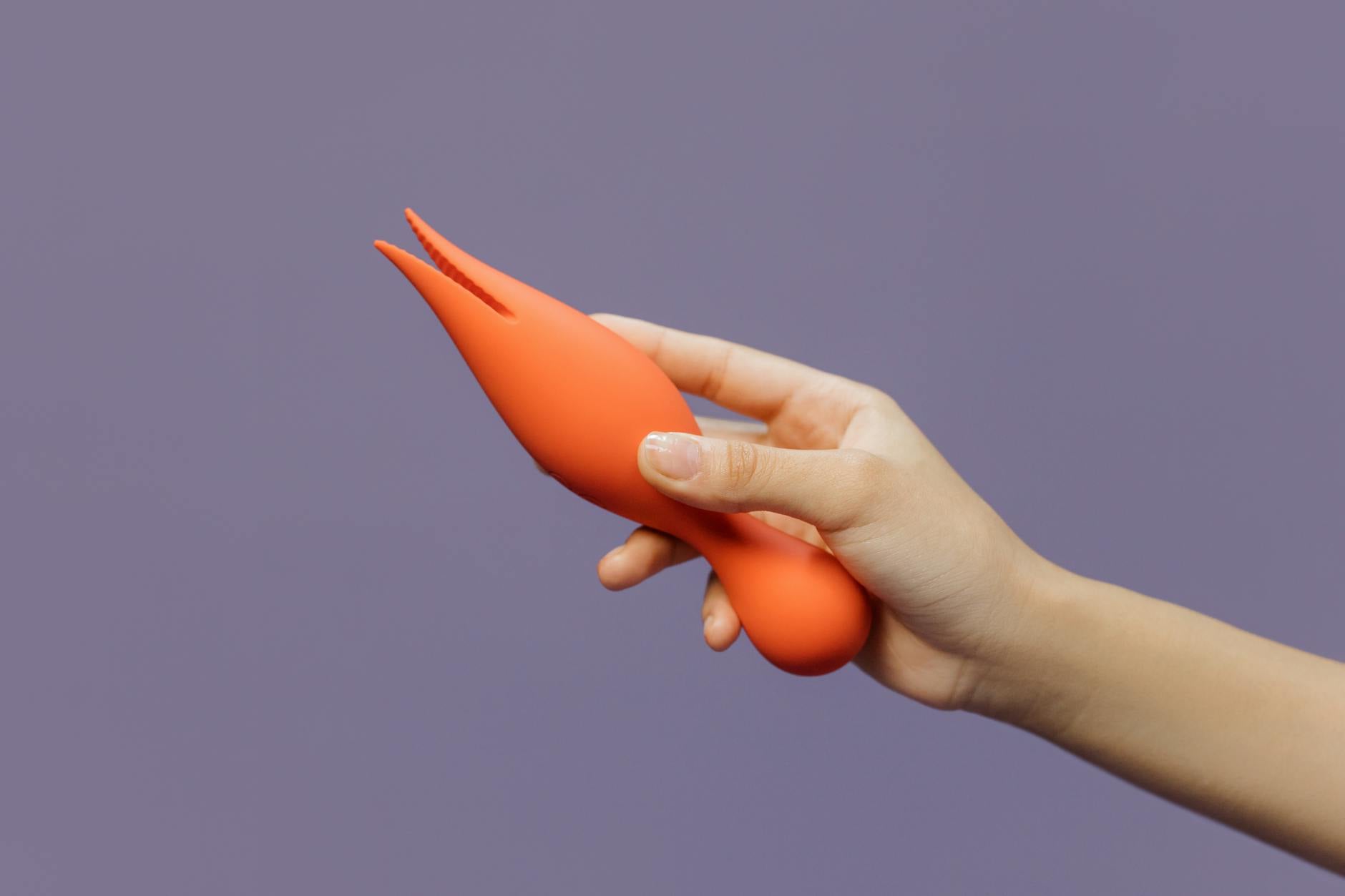
A lemon clitoral vibrator or lemon vibrator works particularly well during this phase because air-suction technology doesn't require the same kind of direct friction that can feel sharp or even painful on thinner tissue. Instead, you get stimulation through gentle pressure waves that work deeper, not just on the surface.
Why recovery after menopause looks different
Three things shift that nobody warns you about.
First, there's less distraction. The cognitive load of cycling hormones, fertility concerns, and decades of cultural messaging about what you're "supposed" to want lifts. Many of my clients describe this as mental clarity they've never experienced before. That alone transforms the experience.
Second, permission arrives. Post-menopause, the pressure to perform for a partner softens. People who spent their 20s, 30s, 40s calibrating their pleasure around someone else's rhythm often explore their own body for the first time without negotiating every sensation.
Third, you can finally use the right tools. A lemon sucker or suction-based lemon sexual toy bypasses the friction problem entirely. Instead of needing high-intensity vibration to feel anything, you get sensation through suction that feels richer and more present on sensitive tissue.
Physical adjustments that actually help
Four things I recommend to almost every post-menopausal client working with a lemon vibrator:
Water-based lubricant becomes non-negotiable. Not because you're broken, but because thinner tissue benefits from consistent slip. Silicone-based lubes feel luxurious but damage silicone toys. Stick to water-based and refresh every 10-15 minutes if needed. This isn't weakness. It's engineering.
Budget longer warm-up time. Arousal now takes 15-25 minutes instead of 5. This isn't a loss. It's expansion. Use this time to explore touch on other parts of your body first. The Lem vibrator works best when you're already partially aroused, so let that happen naturally.
Start at lower intensities and work up. On your lemon adult toy, begin at pattern 1 or 2, not pattern 5. Your tissues need time to acclimate. You might find that patterns 3-4 eventually feel more satisfying than the highest intensity ever did.
Learn to relax your pelvic floor fully. Pelvic floor exercises have their place, but equally important is learning to release tension. Estrogen drop makes the pelvic floor tighter. Spending 2-3 minutes consciously relaxing before using your lemon clitoral vibrator makes everything feel better and allows deeper stimulation.
The mental and emotional reset
Menopause often lands at the same time as other major transitions. Kids launching, career pivots, relationship renegotiations, grief. The trap is assuming all pleasure changes are hormonal. Some are. Many aren't.
If you're with a partner, separate the conversations. "My body responds differently now" is completely different from "I want us to reconnect." Confusing them turns both into dead ends. One is about physiology. The other is about desire and intention.
Solo exploration during this phase matters. Using a lemon vibrator alone first gives you space to learn what works without pressure. You're not performing. You're not managing someone else's expectations. You're simply discovering what feels good in this new season of your body.
When to see someone
If pain shows up during sex, don't wait months hoping it improves. Genitourinary syndrome of menopause is real, common, and highly treatable. Topical estrogen creams work quickly and have minimal systemic absorption. A menopause-trained gynecologist can change everything in weeks.
If desire vanishes completely and isn't returning on its own, testosterone therapy is worth discussing. It's prescribed more conservatively in the US than elsewhere, but it's available and often life-changing for the right person. That conversation is separate from using a lemon sucker or other clitoral vibrators. Both can work together.
Bringing a partner into this transition
If you're rebuilding intimacy with a partner during or after menopause, communication matters more than technique. Tell them what you've learned about your body: the timeline, the need for lubrication, the patterns of your lemon vibrator that work best.
Many partners assume less response means less desire. That's often untrue. Show them the difference between arousal speed and arousal depth. You might get there more slowly, but the orgasm might be more concentrated, more localized, more intense.
Using a lemon clitoral vibrator together can be educational for both of you. It takes pressure off them to be the sole source of stimulation. It lets you show them exactly what works. It normalizes the fact that pleasure changes, and those changes don't mean the relationship is broken.
FAQ: Recovery and Pleasure After Menopause
Can I still orgasm after menopause with a lemon vibrator?
Absolutely. The capacity for orgasm doesn't disappear. What changes is usually the speed and the sensation. Many people experience their most intense orgasms post-menopause because they're finally not distracted by fertility concerns or external pressure. A lemon clitoral vibrator's suction design often works better on post-menopausal tissue than traditional vibration because it's gentler on thinner tissue while still delivering deep stimulation.
How long does it take for arousal to build after menopause?
Typically 15-25 minutes, sometimes longer. This isn't a problem. It's an invitation to slow down. Spend that time on foreplay with yourself or a partner. Use your lemon vibrator as part of a longer ritual, not a quick fix. Many people find that this slower pacing actually produces better orgasms.
Should I use more lubricant with a lemon sexual toy after menopause?
Yes, consistently. Apply water-based lubricant before you start and refresh it every 10-15 minutes. Your body might produce some natural lubrication once aroused, but adding external lube is standard and nothing to feel self-conscious about. It's like using a keyboard wrist rest or reading glasses. It's a tool that makes everything work better.
What if using a lemon vibrator is uncomfortable after menopause?
Start with the lowest intensity and spend time relaxing your pelvic floor first. If it's painful rather than just unfamiliar, see a gynecologist who specializes in menopause. Genitourinary syndrome is easily treated and makes everything feel better. Don't white-knuckle through pain. Fix the underlying issue first.
Can I combine hormone therapy with using a lemon clitoral vibrator?
Yes. Hormone therapy and pleasure tools aren't either-or. If you're on HRT, you might notice changes in how your body responds to your lemon sucker. That's normal. Give yourself 4-6 weeks after starting or adjusting HRT before deciding what works. Your tissue is literally changing.
Is it normal to need a toy after menopause when I didn't before?
Yes. Needing a clitoral vibrator isn't a sign of declining desire. It's often the opposite. It means you're adapting to how your body works now instead of pushing against it. Many people feel more sexual after menopause because they finally have permission to use tools that work for their body, not some theoretical ideal.
You're not starting over. You're upgrading.
Menopause is not the end of your sexual life. It's the middle chapter, and in many ways, the most interesting one. Your body has changed, which means your approach needs to change. That's not a loss. That's information.
A lemon vibrator, particularly one designed with suction technology like the Nancy Lemss Lem, works because it meets your body where it is now: more sensitive, slower to warm up, and fully capable of intense pleasure when you use the right approach.
Your best orgasms might not be behind you. They might be waiting for a different technique, a little more time, and the willingness to explore what feels good in this season of your life.
If you have questions about how to navigate pleasure during menopause or want personalized guidance on rebuilding intimacy, reach out. We're here to help.
Sources & Further Reading
Gottman, J. M., & Silver, N. (2015). The Seven Principles for Making Marriage Work. Harmony Books.
Williams, R. E., et al. (2021). Genitourinary syndrome of menopause: management strategies for the clinician. Cleveland Clinic Journal of Medicine, 88(6), 347-354.
Lobo, R. A., et al. (2014). Hormone therapy in postmenopausal women and mechanisms of cardiovascular and thromboembolic disease. Circulation, 130(7), 581-587.