The thing nobody tells you about medication and pleasure
Long-term medications save your life. Antidepressants, blood pressure meds, hormone therapies, antihistamines, painkillers — they work. But somewhere between the clinical benefits and the daily dosing, pleasure goes quiet. Not gone. Quiet.
You're not imagining it. Dozens of medications genuinely do dull sensation. And the longer you've been taking them, the more normalized that numbness becomes. You stop expecting to feel much at all.
How medication affects physical sensation
Here's the physiology in plain English. Many medications affect how your nervous system transmits signals. Some block neurotransmitters (the chemical messengers that carry sensation from your skin to your brain). Others affect blood flow, which means less engorgement, less sensitivity. A few mess with your ability to focus mentally, which kills arousal even if the physical machinery is fine.
Antidepressants, particularly SSRIs, are notorious for this. So are antihistamines, some blood pressure medications, and certain pain relievers taken daily. The irony is sharp: the medication that lifts your mood or steadies your anxiety also flattens the physical pleasure that usually goes hand-in-hand with that lifted mood.
The thing is, you don't have to choose between your mental health and your sexuality. You can have both. But it requires a different approach to pleasure than you might have used before.
Why a lemon vibrator works when sensation is muted
A traditional vibrator relies entirely on speed and buzz. It expects your nerve endings to pick up rapid vibrations. When those nerves are already depressed by medication, a standard vibrator can feel like... nothing. You increase the intensity, nothing. You try different patterns, and you're still staring at the ceiling wondering if you feel anything at all.
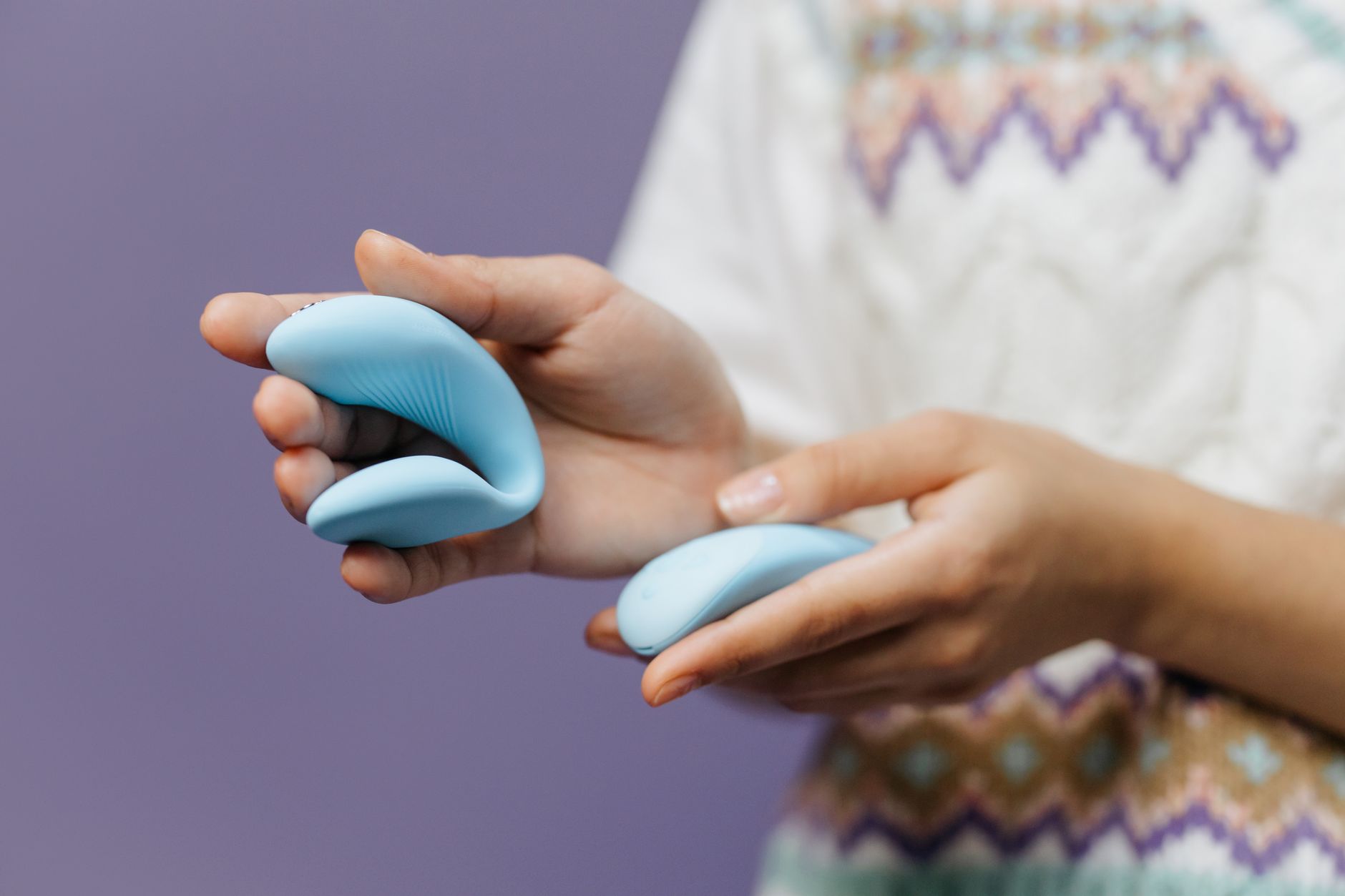
A lemon vibrator, like Nancy Lemss's suction-based design, works on a completely different principle. Instead of vibration, it creates a gentle pulsing suction that stimulates the entire clitoral complex, not just the surface. For people whose sensation has been dampened, suction often feels like something is actually happening. It's a distinct sensation that doesn't rely on your nerve endings catching rapid micro-vibrations.
Plus, suction doesn't require as much direct pressure on already-numb tissue. That matters because when medication has dulled sensation, your instinct is often to apply more intensity, more friction, more speed. Suction lets you access deep stimulation without that grinding pressure.
Starting small when your body feels unresponsive
If you've been on medication for months or years and barely felt pleasure in that time, your nervous system needs retraining. Not punishment, not pushing. Retraining.
Start with the lowest suction setting on a lemon clitoral vibrator. I mean the absolute lowest. Pattern 1. Spend 10-15 minutes there, even if it doesn't feel like much. Your nervous system is literally remembering how to receive signals. That takes time.
Many people expect to feel overwhelmed immediately. With dulled sensation, that doesn't happen. Instead, you might feel a gentle awareness. A sense of something happening. That's your nervous system waking up. It's not nothing. It's the beginning.
Increase the intensity only when you genuinely want more, not when you think you should be feeling more. There's a difference. One is patient. The other is self-punishment dressed up as exploration.
The patience piece (yes, really)
Here's where most people get stuck. They try a lemon sucker for one session, feel a little something, feel disappointed it wasn't earth-shattering, and move on. Medication-dulled sensation doesn't reverse in one session. It takes weeks of consistent, patient attention.
I recommend what I call the "slow return."
- Weeks 1-2: Same time each day, lowest settings, 15-20 minutes. Don't aim for orgasm. Aim for awareness.
- Weeks 3-4: If sensation is building, stay with current settings. If it still feels muted, try one level up (only one).
- Weeks 5-6: Now you can start experimenting with patterns and rhythm.
- Week 7+: This is when most people report genuine sensation returning. Orgasms getting easier. Pleasure feeling present again.
It's not fast. But it's real.
When to talk to your doctor
Here's the critical piece that some people skip because they're embarrassed: if medication is genuinely flattening your sensation, your doctor needs to know. Not in a shameful way. In a "my quality of life is affected" way.
Doctors have options. They can adjust your dose. They can switch you to a different medication in the same class (different antidepressants hit different people differently). They can add a second medication to counteract the sexual side effect. Some can recommend timing your dose to minimize impact on your intimacy window.
You don't have to white-knuckle through medication-induced numbness. Professional support is part of the solution.
That said, a lemon clitoral vibrator is also part of the solution. They're not competing. They're complementary.
The mental layer (because sensation isn't just physical)
Medication dulls sensation in your body. Depression, anxiety, or the condition the medication is treating can dull it in your mind.
When you've spent months feeling numb, your brain builds a wall. You stop expecting pleasure. You might avoid situations that used to feel intimate. You might feel distant from your partner or disconnected from yourself.
Using a lemon sucker isn't just about nerve endings. It's also a message you're sending yourself: "My pleasure matters. I'm worth the time. I'm allowed to feel good." That mental shift, that permission, is sometimes as important as the physical sensation.
If your numbness comes with depression or disconnection, that emotional piece deserves attention too. A toy helps. Therapy or relationship work helps more, often in combination.
Building sensation back with your partner
If you're in a relationship, this transition can actually deepen things if you approach it right.
Tell your partner what's happening. "My medication is making sensation feel flat. I'm working on rebuilding that, and it's going to take time. I want you to know because I need patience, not performance." That one conversation often changes everything.
You might use a lemon vibrator solo first, retraining your own nervous system. Then, once sensation is building, invite your partner to watch or join. Some couples find that watching their partner slowly return to pleasure is genuinely intimate. It's not sexy in the performative sense. It's tender. It's connecting.
Others prefer to keep their pleasure work separate and come back together once sensation has returned. Both are fine. What matters is honesty about what you need.
The timeline is individual
Some people's sensation returns in 4-6 weeks. Others take 2-3 months. A few take longer. Your particular medication, how long you've been on it, your overall health, your stress level, whether you're working with a therapist, whether you're in a supportive relationship — all of it affects the timeline.
The worst thing you can do is compare your timeline to someone else's. Your body isn't on someone else's schedule. It's on its own.
Trust the process. Use a lemon vibrator consistently. Talk to your doctor. Be patient with yourself. Sensation does return. I've seen it return for dozens of people. It takes intention, but it happens.
Frequently asked questions
How long before I feel sensation returning when using a lemon clitoral vibrator?
Most people report noticing a difference within 2-3 weeks of consistent daily use, though true pleasure usually takes 4-6 weeks. If you're on a medication that significantly dampens sensation, it may take 8-10 weeks. The key is consistency — using your lemon sucker at roughly the same time each day trains your nervous system. Sporadic use won't create the same effect.
Can I use a lemon sexual toy if I'm taking antidepressants?
Absolutely. In fact, combining a lemon vibrator with antidepressant use is common and safe. The toy doesn't interfere with the medication. What can help is being transparent with your doctor about sexual side effects — they might adjust your dose, switch medications, or suggest timing strategies. A lemon clitoral vibrator then becomes part of your toolkit for rebuilding sensation alongside medical support.
What if I use a lemon vibrator and still feel nothing after a month?
That's worth discussing with your doctor. It could mean your current medication dose is particularly sensation-dulling and a change might help. It could also mean the numbness has psychological roots — depression or anxiety that a toy alone can't address. Many people benefit from combining pleasure work with therapy. A lemon sucker is a tool, not a cure.
Should I use a lemon vibrator alone or with a partner when sensation is dulled?
Start alone. Your nervous system needs to focus purely on sensation without the added layer of performance or partner attention. Once you're noticing changes — maybe a tingle, maybe warmth, maybe just a sense of something happening — you can explore with a partner if you want to. Some people prefer to keep their sensation work solo. Both approaches work.
Does suction actually help with medication-dulled sensation better than vibration?
For many people, yes. Suction stimulates a larger nerve network and doesn't rely on rapid vibrations that numb nerves sometimes miss. It also creates distinct pulsing sensations that can feel "real" even when your nervous system is dampened. That said, everyone's different. A lemon clitoral vibrator works for lots of people, but if suction doesn't feel right for you, other methods might.
What if my partner thinks using a lemon vibrator means they're not enough?
This is a communication moment. The vibrator isn't a commentary on your partner. It's a medical tool you're using to restore your own sensation after medication has dulled it. Frame it exactly that way: "My body needs help waking up. This isn't about you. It's about me returning to pleasure we can both enjoy." Most partners, when they understand it's temporary and therapeutic, become supportive. If yours doesn't, that's worth exploring in couples therapy.
Sensation dulled by medication is real. It's also reversible. It takes patience, sometimes professional support, and tools designed for this specific challenge. A lemon vibrator, used consistently and with realistic expectations, helps many people return to pleasure after medication has flattened it. Start low. Stay consistent. Be patient with yourself. Your body knows how to feel good again. It just needs time to remember.
Ready to explore tools that work with your body's current state? Learn more about how to choose the right toy for your situation or reach out if you want personalized guidance.