Here's the thing about numbness returning to sensation
Years without feeling don't just disappear overnight. Your nervous system didn't forget how to wake up, but it also didn't sit idle. When numbness finally lifts, the sensation that returns can feel foreign, overwhelming, or weirdly disconnected from your body. You might expect joy and find confusion instead. That's completely normal.
What makes this moment different from starting over is that you're not learning pleasure for the first time. You're relearning it. And that requires a different toolkit.
Why sensation numbness happens in the first place
Numbness rarely shows up without a reason. It comes from trauma, chronic stress, medications that dull sensation, dissociation during depression, or the simple grinding wear of staying in your body when your body stopped feeling safe. Sometimes it's physical. Sometimes it's all in your nervous system's protective response. Usually it's both.
The good news: your body doesn't lose the capacity for sensation. It just puts it away temporarily. When conditions shift, that capacity comes back. The challenge isn't bringing it back. The challenge is managing the reintegration when it does.
Why standard vibrators often backfire during sensation recovery
Most vibrators are designed for bodies that already know what they want. They start at a buzz level that works for someone with normal sensitivity, escalate quickly, and assume your goal is intensity. For someone emerging from numbness, this is exactly backward.
Standard vibrators can feel jarring. They can re-trigger the dissociation you've been working to heal. They can make sensation feel like an attack instead of a return. You end up numbing yourself again in self-defense, which defeats the entire point.
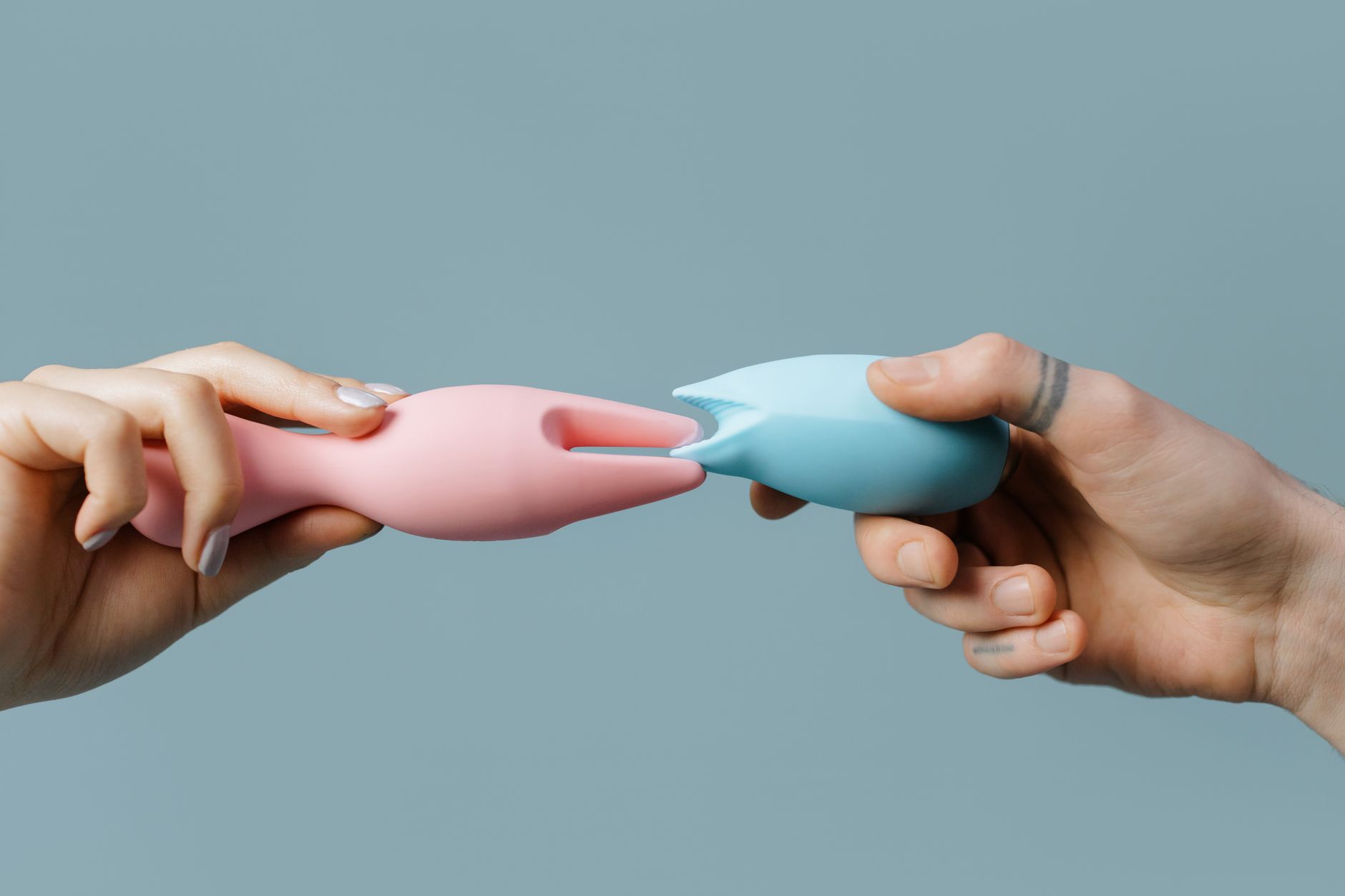
That's why a lemon vibrator, specifically the clitoral suction style, becomes such a useful tool for sensation recovery. It works differently.
How air-suction technology changes the reawakening process
Instead of direct vibration against tissue, a lemon clitoral vibrator uses gentle suction to stimulate the nerves around your clitoris. The sensation builds more gradually. It doesn't feel like buzzing; it feels more like a subtle pressure wave. You can control the intensity in small increments, which matters wildly when you're learning to tolerate sensation again.
This matters because sensation recovery requires titration. You're not looking for the biggest orgasm of your life on day one. You're looking for proof that your body can still feel. A lemon vibrator lets you access that proof at a pace your nervous system can actually process.
The suction model also creates a different kind of stimulation than vibration alone. It engages the broader tissue around the clitoris, not just the most sensitive point. For someone relearning sensation, this distributed approach often feels safer and less overwhelming than the laser focus of a traditional vibrator.
Start with the lowest setting and wait longer than feels necessary
When sensation is returning, the urge to test it all at once is real. Don't. Your nervous system needs evidence that feeling is safe again before it fully commits to the reawakening.
Begin with pattern one on your lemon vibrator, the gentlest setting. Many people emerging from numbness expect to need nothing and are surprised by how much they actually feel at the lowest level. That surprise is information. It means your nervous system is already waking up.
Stay at pattern one for at least five sessions before moving to pattern two. This isn't about being cautious for caution's sake. It's about building a neural pathway that says "sensation means safety, not danger." Repetition at a gentle level does that. Jumping to intense stimulation resets the clock.
Create the right physical environment
When numbness has been your baseline, the physical space around pleasure matters more than you'd expect. Your nervous system is still partially in protection mode. It will calm faster if the environment gives it permission to.
This means dimmed or soft lighting, a space where you won't be interrupted, temperature control, and ideally some sensory input you actually enjoy. Some people need absolute quiet. Others focus better with ambient music. There's no universal answer, but the common thread is: remove surprises.
Water-based lubricant is non-negotiable. Not because something is wrong with you, but because numbness often comes with reduced natural lubrication, and having to worry about friction adds unnecessary cognitive load. Make the physical experience as smooth as possible so your brain can focus on sensation instead of problem-solving.
The mental piece matters as much as the physical one
Sensation recovery isn't just about the device. Your mind has a vote. If you're using a lemon vibrator while simultaneously telling yourself "this should feel better" or "most people would be having an orgasm by now," you're fighting yourself.
Instead, try reframing what you're doing. You're not trying to achieve an orgasm. You're gathering data. You're asking your body "Can you feel this? What does this feel like?" Curiosity instead of performance. Observation instead of expectation.
Many people find it helpful to journal after a session. Not about whether you climaxed, but about what you noticed. Did the left side of your clitoris feel different from the right? Did the sensation change when you shifted your breath? Did your mind wander? All of that is useful information, not failure.
When your partner is involved in the process
If you're in a relationship and your partner knows you're working through sensation recovery, their role is observation, not rescue. Partners often slip into trying to fix things, which creates pressure you don't need.
The most helpful thing a partner can do is exactly nothing while you're using your lemon vibrator solo. Their value shows up before and after. Before, in creating the physical and emotional safety you need. After, in listening without judgment or agenda to what you noticed.
Some couples find it helpful to use the lemon vibrator together as part of foreplay once you've had several solo sessions. But this only works if there's zero pressure. If your partner's arousal depends on your sensation returning on their timeline, that's actually just a different version of pressure. Let that dynamic breathe before involving them.
What numbness returning can actually feel like
Sensation doesn't always come back as pleasure. Sometimes it comes back as tingling. Sometimes as a vague awareness you didn't have before. Sometimes as an odd mixture of pleasure and discomfort, which can be confusing until you realize both sensations are signs that your nervous system is waking up.
You might also notice that sensation returns unevenly. Your left side might wake up before your right. The first half of a session might feel more intense than the second. Your sensitivity might spike on some days and dip on others. None of this is wrong. It's all part of the reintegration process.
Many people find that sensation returns in waves. You'll have a few sessions where you feel a real shift, then days where it feels like you're back to square one. That's not backsliding. That's nervous system recalibration. Keep going.
When sensation recovery stalls or gets stuck
If you've been using your lemon vibrator consistently for four to six weeks and nothing is shifting, that's worth bringing to a therapist or doctor. Sometimes numbness needs intervention beyond a change in tools. Sometimes there's an underlying physical issue. Sometimes the trauma or stress triggering the numbness needs processing work before sensation can return.
This doesn't mean the lemon vibrator isn't the right choice. It means you might need additional support alongside it. The two approaches aren't mutually exclusive. Many people find that therapy and a thoughtful reawakening practice work together.
The fact of sensation returning changes you
Once your body knows it can feel again, you can't unknow that. Even on days when numbness tries to creep back in, you have proof it doesn't have to be permanent. That proof is powerful.
Using a lemon clitoral vibrator during sensation recovery isn't about achieving orgasm on a timeline. It's about creating a conversation with your body again. It's about giving your nervous system permission to wake up slowly and safely. It's about building evidence that pleasure is possible, that sensation doesn't mean danger, and that your body is worth listening to.
That's the real work. Everything else follows from there.
People also ask
How long does it usually take for numbness to turn into sensation again?
There's no universal timeline because numbness causes vary so widely. Someone recovering from medication side effects might see shifts in weeks. Someone working through trauma might take months or years. The important distinction is that sensation recovery isn't linear. You won't wake up one day completely healed. You'll have sessions where you notice a little more, then plateaus where nothing seems to change. The key is consistency and patience rather than speed. If you're using a lemon vibrator consistently and noticing any micro-shifts, that's progress even if it doesn't feel dramatic.
Can a lemon vibrator actually help with numbness or is that overstated?
A lemon vibrator can't fix the underlying cause of numbness. If numbness comes from trauma, only trauma work fixes that. If it comes from medication, you might need to work with your doctor. But what a clitoral vibrator can do is gently stimulate your nervous system in a way that creates opportunity for sensation to return. It's a tool for practice, not a cure. Think of it like physical therapy for your pleasure response. It creates the conditions where reawakening becomes possible, but you still have to do the actual work of healing.
What if sensation returns but it feels painful or uncomfortable?
This is more common than people expect. When nerves wake up after being dormant, sometimes the initial sensation feels sharp or tender rather than pleasurable. This usually settles as your nervous system adapts. You might try backing off intensity for a few sessions and then gradually increasing again. If the discomfort persists or feels sharp during use, that's worth checking in with a healthcare provider. Sometimes sensation recovery uncovers other issues like nerve damage or pelvic floor tension that need separate attention.
Should I be using a lemon vibrator if I'm also in therapy for trauma?
Yes, usually. Most trauma-informed therapists actually encourage gentle self-touch and pleasure practices as part of recovery because they help your nervous system learn that sensation and safety can coexist. But timing matters. If you're in the acute phase of processing trauma, adding stimulation might be too much. Talk to your therapist about where you are in your healing and whether now is the right time. Many people find that starting with their lemon vibrator alongside therapy actually accelerates healing because they're working on both the psychological and somatic pieces simultaneously.
Can I use my lemon vibrator for sensation recovery if I also struggle with dissociation?
Yes, but with one important caveat: dissociation can sneak in during pleasure. If you notice yourself leaving your body while using your lemon vibrator, that's a signal to pause. Grounding exercises before and after help. Some people find it useful to keep their eyes open, to focus on breath, or to notice one physical sensation (like the texture of the fabric under them) to stay present. If dissociation is consistent and severe, working with a trauma-informed therapist on grounding skills before adding vibrator use can be really helpful.
How often should I be using a lemon vibrator during sensation recovery?
Consistency matters more than frequency. Three to four times per week is often a sweet spot because it gives your nervous system regular opportunities to practice sensation without overwhelming it. Some people do better with two sessions weekly, others with five. What matters is that you're showing up regularly enough that your nervous system starts to trust that sensation is going to keep happening. It's like building any new neural pathway. Frequency and consistency are more important than duration. A ten-minute session three times weekly beats an occasional intense session.
Your body knows how to feel again
Numbness was a survival response. Your nervous system shut down sensation to protect you when feeling wasn't safe. That protection served a purpose. But it's not your permanent state. Sensation can return, and when it does, the right tools and the right approach make all the difference. A lemon vibrator, used with patience and gentleness, creates the conditions where your body can safely wake up again. The rest is showing up, noticing what you feel, and trusting the process.
If you're ready to explore sensation recovery with support, we're here. Get in touch to talk about what might work for your specific situation.