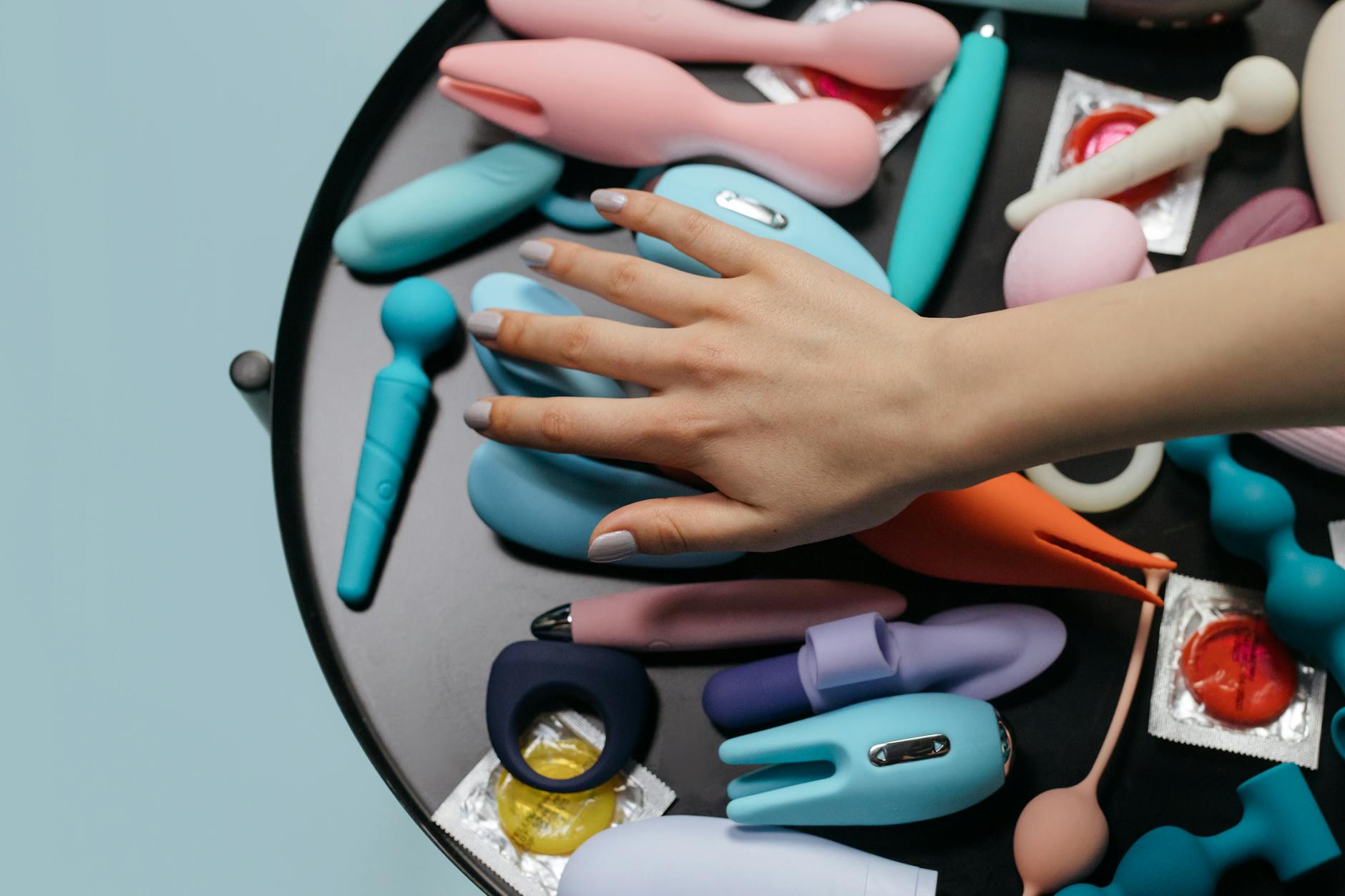
Here's the thing about performance anxiety
Performance anxiety in the bedroom is maybe the most universal friction point couples never talk about directly. One partner feels pressure to "deliver.". The other feels that pressure radiating back at them. Neither person is actually present. Sex becomes less like intimacy and more like a test someone's failing in real time.
And here's what's weird: introducing a lemon clitoral vibrator into this dynamic doesn't add more pressure. It actually removes it.
Why performance anxiety kills arousal for both people
Performance anxiety doesn't just affect the person feeling it. It's contagious. When your partner is thinking "Am I doing this right? Is this working? When will they come?" instead of "I'm enjoying this," you're not having sex. You're both taking an exam.
The anxiety loop looks like this. Partner A worries they're not stimulating you enough. So they try harder, get tense, lose focus. Partner B feels that tension and senses the worry. So Partner B starts performing arousal instead of experiencing it, trying to reassure Partner A that they're "doing fine." Now both people are acting. Nobody's present.
This happens most often when there's been a gap in physical intimacy (new relationship, long-term relationship restarting, recovery after illness or medication changes). The stakes feel higher. The body feels unfamiliar. The pressure compounds.
How a lemon vibrator reshapes the dynamic
A clitoral vibrator like the Lem changes the equation because it removes the pressure to "make something happen" through friction or technique alone. Here's why this matters for performance anxiety specifically:
1. It shifts focus from outcome to sensation. When you're using a lemon sucker vibrator together, the goal isn't "achieve orgasm by 8 p.m." It's "What feels good right now?" That reframe alone drops the anxiety by half. Your partner isn't responsible for your pleasure anymore. They're part of your pleasure. Huge difference.
2. It gives your partner something concrete to focus on besides their own anxiety. Instead of worrying "Is this working?", they're now thinking about "How is the rhythm? Does she want it firmer? Slower?" You've redirected the mental energy from self-doubt to collaborative problem-solving. That's where intimacy lives.
3. It creates a permission structure for communication. Using a toy together makes it normal to say "That feels amazing" or "A little lighter" or "Let's pause for a second." Feedback stops feeling like criticism and starts feeling like guidance. Your partner isn't failing. They're learning what you like in real time.
The conversation to have before introducing a lemon vibrator
Don't just surprise them with a toy. That can feel like "I don't trust you to get me off," which is the opposite of what you're trying to communicate.
Instead, pick a time outside the bedroom. Say something like: "I've noticed we both seem a little in our heads during sex lately. I want us to feel more connected and less like there's this invisible scorecard. I was thinking maybe we could try using a clitoral vibrator together. Not as a replacement for you, but as a way to take some of the pressure off. What do you think?"
Listen for what they're actually worried about. Often it's: "Does this mean you're not satisfied with me?" or "Does this mean I'm not enough?" Address those directly. "I love what we do together. I want us both to feel less performance pressure, that's all."
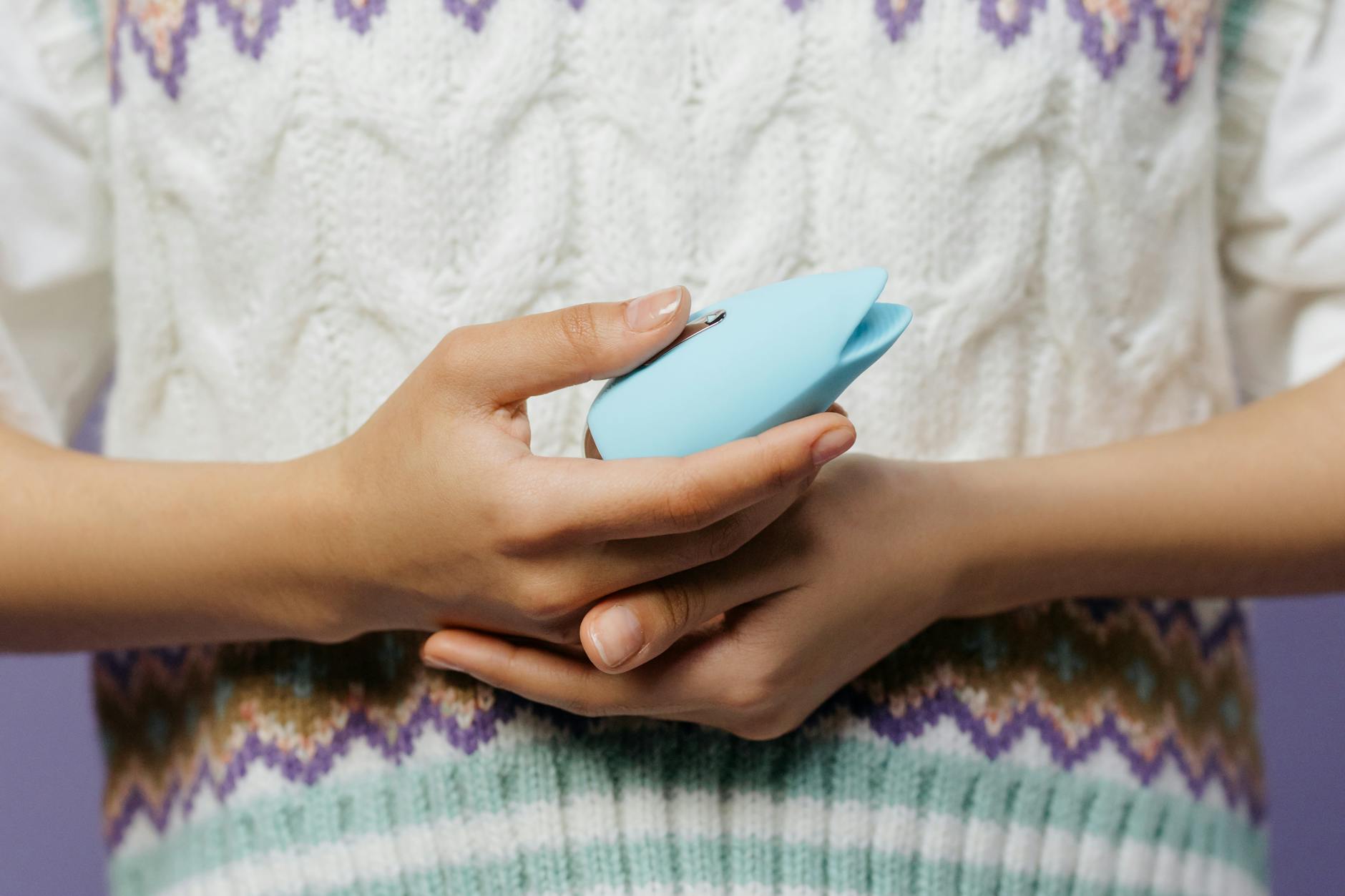
Photo by cottonbro studio on Pexels
How to actually use it together when performance anxiety is in the room
Start slow. This doesn't need to be a full production.
Begin with foreplay. Kiss, touch, whatever your normal rhythm is. When arousal is building but before penetration, introduce the toy. You hold it, he watches and touches you in other ways. This keeps him engaged and present without the pressure of being the sole source of stimulation.
After a few rounds of this, you can hand the lemon vibrator to him. "Show me what you think might feel good." This is low-stakes exploration, not performance. If it feels good, great. If not, adjust. The toy gives you both permission to iterate without it feeling like failure.
Here's what you're teaching his nervous system: "Sex doesn't have to be perfect. It doesn't have to follow a script. We can pause, communicate, change course, and that's not a problem. That's actually normal."
The surprising benefit nobody mentions
Something shifts in couples when they introduce a lemon clitoral vibrator specifically for performance anxiety. Both partners report feeling less alone in the experience. Using the toy becomes a conversation, not a demand. Your partner gets to see you genuinely pleased, which is exactly what they were anxious about providing in the first place. The anxiety was never about the toy. It was about mattering. A collaborative experience proves they do.
When to bring in professional support
If the performance anxiety is severe (he loses erection quickly, avoids initiating, shuts down during sex), a sex therapist trained in couples work can help accelerate the process. They can teach specific communication patterns and anxiety-reduction techniques that go deeper than a toy can.
Likewise, if the anxiety stems from past relationship trauma or medical issues (like ED from diabetes or medications), addressing the root cause matters more than any tool. But a lemon vibrator can absolutely be part of the solution alongside professional support.
The permission you're both giving each other
When you use a vibrator together with genuine collaboration, you're saying: "I don't expect you to be perfect. I don't expect my body to respond on command. We're both learning. We're both allowed to enjoy this without pressure." That's radical in a culture that sells sex as something that should be effortless and automatic.
Performance anxiety thrives in silence and isolation. It dies in communication and play. A lemon vibrator like the Lem is just the physical object that makes communication feel safer. The real shift is the permission.
Frequently asked questions
Will using a vibrator make my partner feel inadequate?
Not if you frame it as collaboration, not substitution. The difference: "I want to use this together because I love you and I want us both to relax" (collaboration) versus "I need this because you're not enough" (substitution). Tone, timing, and communication matter infinitely more than the tool itself.
What if he refuses to use it?
That's worth exploring. Is it shame? Religious beliefs? Fear that it means something about his masculinity? You can't solve what you don't understand. A couples therapist can help open that conversation in a neutral space.
Can we use a lemon vibrator if he's anxious about his body too?
Absolutely. In fact, using it together normalizes bodies being involved in pleasure without performance. He gets to see that you're not judging his body, his pace, or his response. The toy becomes the thing everyone focuses on, not physical insecurity.
How long does it usually take for performance anxiety to ease after introducing a vibrator?
Everyone's different. Some couples report feeling the shift after one or two sessions. Others need weeks of consistent, pressure-free exploration. The key is not treating it as "the vibrator will fix this." The vibrator is the opening. The actual healing happens through repeated experiences of sex without performance pressure.
Should we use a vibrator every time we have sex now?
No. The point is to build confidence and communication, not to create a new dependency. Once you've had a few sessions where anxiety drops and pleasure shows up, you can use the vibrator sometimes, skip it other times. The goal is flexibility and presence, whether or not a toy is involved.
What if we're both anxious about performance?
Then the vibrator is even more helpful, because it externalizes the pressure. You're both working with the tool, not trying to perform for each other. That collaborative energy shifts the whole dynamic. Consider talking to a therapist about anxiety management too, because sometimes it's less about the bedroom and more about broader anxiety in the relationship.
The real shift
Performance anxiety in relationships isn't actually about sexual technique or whether someone can physically deliver. It's about feeling seen, accepted, and safe. A lemon clitoral vibrator can't create those things on its own. But it can create the space where they become possible. It removes the spotlight so you can both actually enjoy the play.
If you're ready to try this, start with the conversation. Skip the performance. Bring the play. Your partner's nervous system will thank you.
Have questions about how to navigate this with your specific situation? Reach out at /contact and let's talk.