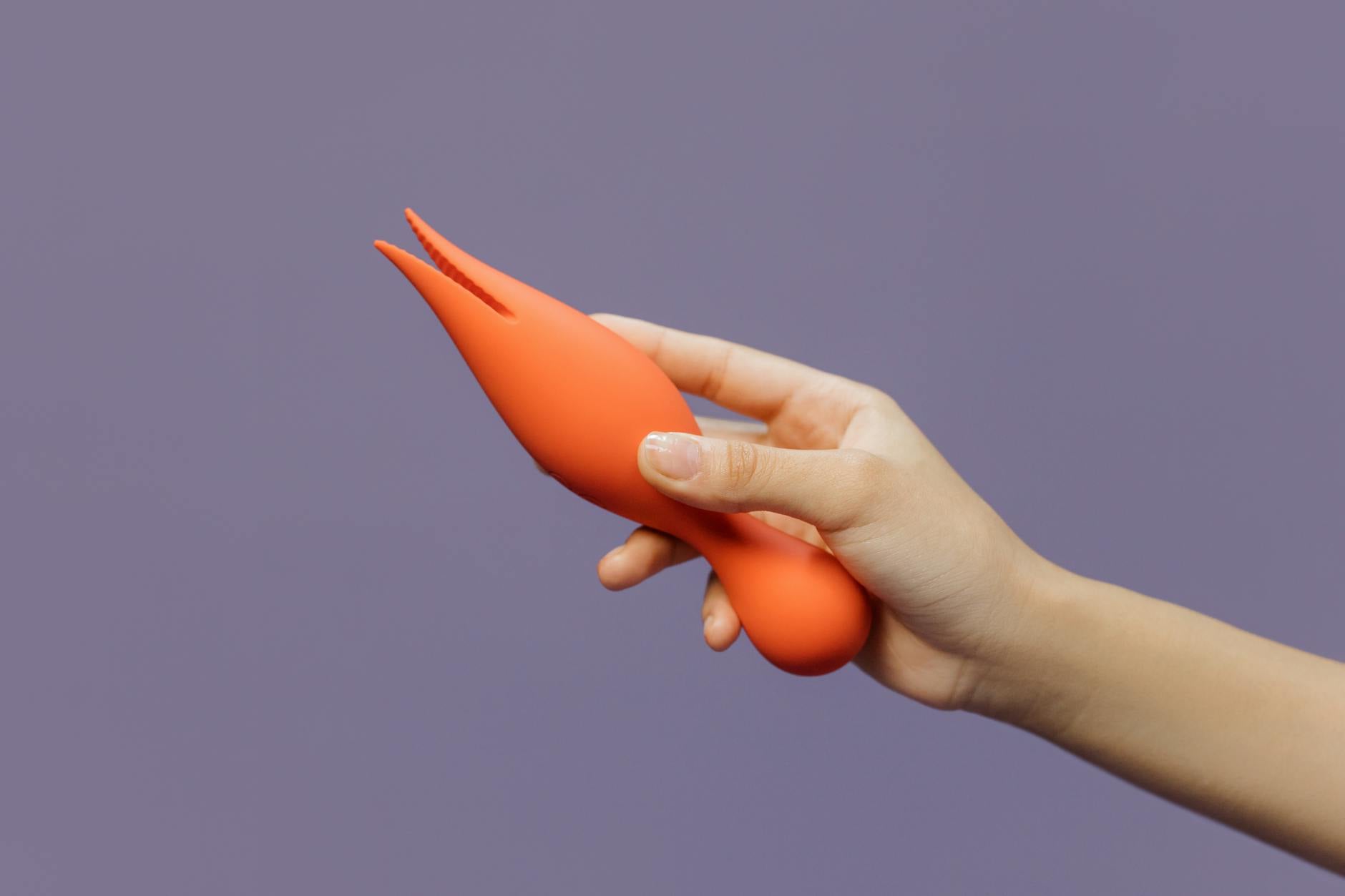
How to Use a Lemon Vibrator With Vaginal Dryness During Perimenopause
Perimenpause dryness is real. It's also not a reason to stop using vibrators or feeling good. The catch is that standard advice like "just use more lube" isn't quite the whole picture when tissue is thinning and sensation is shifting. Let me break down what's actually happening, why lemon vibrators work differently in this phase, and exactly how to set yourself up for reliable pleasure.
What perimenopause dryness actually does to sensation
Okay, so here's the thing nobody explains clearly. Vaginal dryness during perimenopause isn't just about lack of fluid. It's tissue change. Estrogen drops, which means the vaginal tissue gets thinner and less elastic. That's the primary shift. Your clitoris doesn't change the same way. It has different tissue architecture. Clitoral sensation often stays surprisingly robust.
But here's where it gets interesting. When vaginal tissue thins, the entire pelvic sensation map changes. The vestibule (the area around the opening) becomes more sensitive to friction. Penetration, if you enjoy it, can feel sharper or less comfortable. Meanwhile, clitoral sensation can actually feel more concentrated. Less overall stimulus, but what does land hits different.
Most people think dryness means numbness. It doesn't. It means the sensation landscape has shifted. A lemon vibrator hits differently because it's focused, powerful suction-based stimulation on a specific nerve cluster. You don't need as much surrounding moisture for that to work.
Why lemon vibrators work better than other toys during this phase
Let's compare. Bullet vibrators rely on friction and broad vibration. When tissue is thinner, that friction can feel intense or even slightly painful. Wands use percussion. Same problem. Both require the tissue to have a certain amount of cushioning to feel good rather than sharp.
Lemon clitoral vibrators use gentle suction. That's a completely different stimulation pattern. Suction pulls the clitoral tissue slightly, which engages the internal clitoral structure without requiring friction or heavy penetration. The lem vibrator, specifically, is designed to create a seal and gentle pulsing suction. That works beautifully when tissue is thin because you're not relying on external cushioning. You're using the body's own anatomy.
I've had clients say that their lemon vibrator felt more intense during perimenopause than it did before. That's not coincidence. When sensation becomes more localized, a focused tool feels sharper and more precise. Your nervous system isn't distracted by surrounding sensation it has to process.
The lubrication piece (and why it matters differently now)
Lubricant is helpful, but it's not doing what you might think it's doing. You don't need lube to make the lemon vibrator work. You need it to make the experience comfortable and to protect the tissue.
Use a good water-based lubricant. Not because you're broken. Because thin tissue benefits from a barrier. Think of it as protective rather than functional. Silicone lube feels richer and lasts longer, but it can degrade silicone toys. Stick with water-based.
Here's the practical part. Use about a finger-full of lube on the external tissue before you start. Not inside the vagina, unless you're planning penetration, which you probably aren't if you're using a lemon vibrator solo. The external area is where you need the protection.
Photo by FounderTips on Pexels
Adjusting your technique: intensity, timing, and warm-up
When tissue is more sensitive, you might think you need lower intensity. Sometimes yes, sometimes no. It depends on your specific tissue and your nervous system. Start at pattern 1 or 2 on the lemon vibrator. If that feels good, stay there. If it feels too gentle, turn it up. If it feels too sharp or numb, back off.
The warm-up is more important now than it's ever been. Spend 10 to 15 minutes with a partner, with yourself, or just with your own touch before you introduce the vibrator. Arousal brings blood flow to the area. Even though vaginal lubrication might not increase as much during perimenopause, clitoral engorgement still happens. That tissue swells slightly, which changes how sensation lands.
Timing matters. If you're using a lemon vibrator solo, try building arousal first with your hands or by reading or watching something you enjoy. Then introduce the vibrator. You're not trying to be efficient. You're trying to give your body time to prepare.
The pelvic floor piece: relaxation is underrated
Perimenpause brings a different relationship with your pelvic floor. Tissue gets less support from estrogen. Your pelvic floor muscles might feel tighter or more tense. Paradoxically, a lemon vibrator can help with that if you approach it right.
Before using the vibrator, try 30 seconds of simple pelvic floor relaxation. Breathe in for four, out for six. On the exhale, imagine the pelvic floor softening or releasing. It sounds like kegels (which are the opposite), but it's worth doing first.
Why? Because relaxation is where pleasure lives. A tense pelvic floor dampens sensation. Relaxation amplifies it. This is true at any age, but especially during perimenopause when the muscle might be compensating for less estrogen support.
What to expect: pleasure might feel different, and that's okay
Your orgasm might be shorter. Your arousal might need more time. The sensations might be more localized. Or you might find that your orgasms are deeper and more satisfying. There's no one outcome. But here's what's consistent: pleasure is still there. You're just finding it in a slightly different location on your body's map.
Many people report that their sensitivity to clitoral stimulation actually increases during perimenopause. Less overall sensation, but what's there is sharp. A lemon vibrator can feel wildly powerful because that's exactly what you're getting: focused, intentional stimulation on tissue that's more alert.
If something feels off, that's information. Discomfort or pain is a signal to slow down, add lube, lower intensity, or try a different approach. It's not a sign that vibrators don't work for you. It's a sign that your body needs something adjusted.
When to bring a partner into the picture
If you're partnered, the lemon vibrator can enhance partnered sex during this phase too. The advantage? You control it. You can adjust intensity, pause, and speed based on what your body needs in the moment. A partner might rush or use too much pressure without meaning to.
Using a lemon clitoral vibrator during partnered sex also means your partner can focus on connection and movement while you handle your own stimulation. That often feels less pressured and more collaborative than trying to time everything together.
Talk about it first. Let your partner know what you're experiencing physically, not as a problem but as a change. "I need more direct clitoral stimulation" or "I need slower warm-up" is useful information. Then introduce the vibrator as a tool that helps you both enjoy sex more. Which it does.
The bigger picture: perimenopause is not the beginning of the end
I've worked with many clients in this phase, and the pattern I see is this. The first few months feel disorienting. Your body is shifting. Pleasure feels different. But once you understand what's happening and adjust your approach, most people say they enjoy sex more, not less. There's less pressure to perform. Sensation becomes clearer. And a tool like a lemon vibrator can make that transition feel easier and more pleasurable.
This is a doorway to a different kind of pleasure, not the end of pleasure. The lemon vibrator is one of the best tools for that transition because it works with your body as it is, not against it.
People Also Ask
Can I use a lemon vibrator if I have severe vaginal dryness?
Yes. In fact, lemon clitoral vibrators work well with severe dryness because they don't rely on internal lubrication or friction. Just use water-based lubricant on the external tissue for comfort and protection. If dryness is accompanied by pain or significant discomfort, see a gynecologist. Topical estrogen creams or vaginal moisturizers can help. Then use your lemon vibrator with confidence.
How often can I use a lemon vibrator during perimenopause without causing irritation?
Daily use is safe if your tissue feels fine. Some people use their lem vibrator every day. Others prefer every few days. Pay attention to how your tissue feels afterward. If it feels irritated or sore, give it a day or two off. If it feels great, use it as often as you like. The vibrator doesn't cause dryness. It's the hormonal shift causing the dryness.
Does using a lemon vibrator make vaginal dryness worse over time?
No. Using a vibrator doesn't worsen perimenopause dryness. Hormones do that. If anything, regular stimulation brings blood flow to the tissue, which can help with elasticity and sensation. Use lube for comfort, but don't avoid vibrators because of dryness.
What if my lemon vibrator feels too intense on thinned tissue?
Start at the lowest pattern and build up slowly. You might also try using the vibrator over the mons pubis or the outer labia first, rather than directly on the clitoris. That diffuses the sensation and lets you get used to it. Once arousal builds, the tissue is more receptive and intensity might feel better.
Are there other positions or techniques that work better with a lemon vibrator during perimenopause?
If you're using it solo, lying on your back with pillows supporting your hips gives you good access and control. You can also lie on your side. If you're using it with a partner, sitting upright or lying on your back while your partner uses it on you gives them a clear view and lets you adjust as needed. The key is comfort and good access. That matters more than position.
Should I see a doctor about dryness before using vibrators?
If dryness is causing pain during any sexual activity, yes, see a gynecologist. They can rule out other issues and might recommend topical treatments that make vibrators more comfortable. But dryness alone isn't a reason to avoid vibrators. It's a reason to use lube and a tool like a lemon vibrator that works well with thinned tissue.
The takeaway
Perimenpause changes your body. A lemon vibrator isn't a workaround for that change. It's a tool that works beautifully with your body as it actually is. Add water-based lube, warm up before you start, and adjust intensity to what feels good. Your pleasure isn't ending. It's shifting into something that might surprise you.
Ready to explore? Our buying guide walks you through choosing the right lemon vibrator for your body and preferences. And if you have more questions about pleasure during life transitions, get in touch.