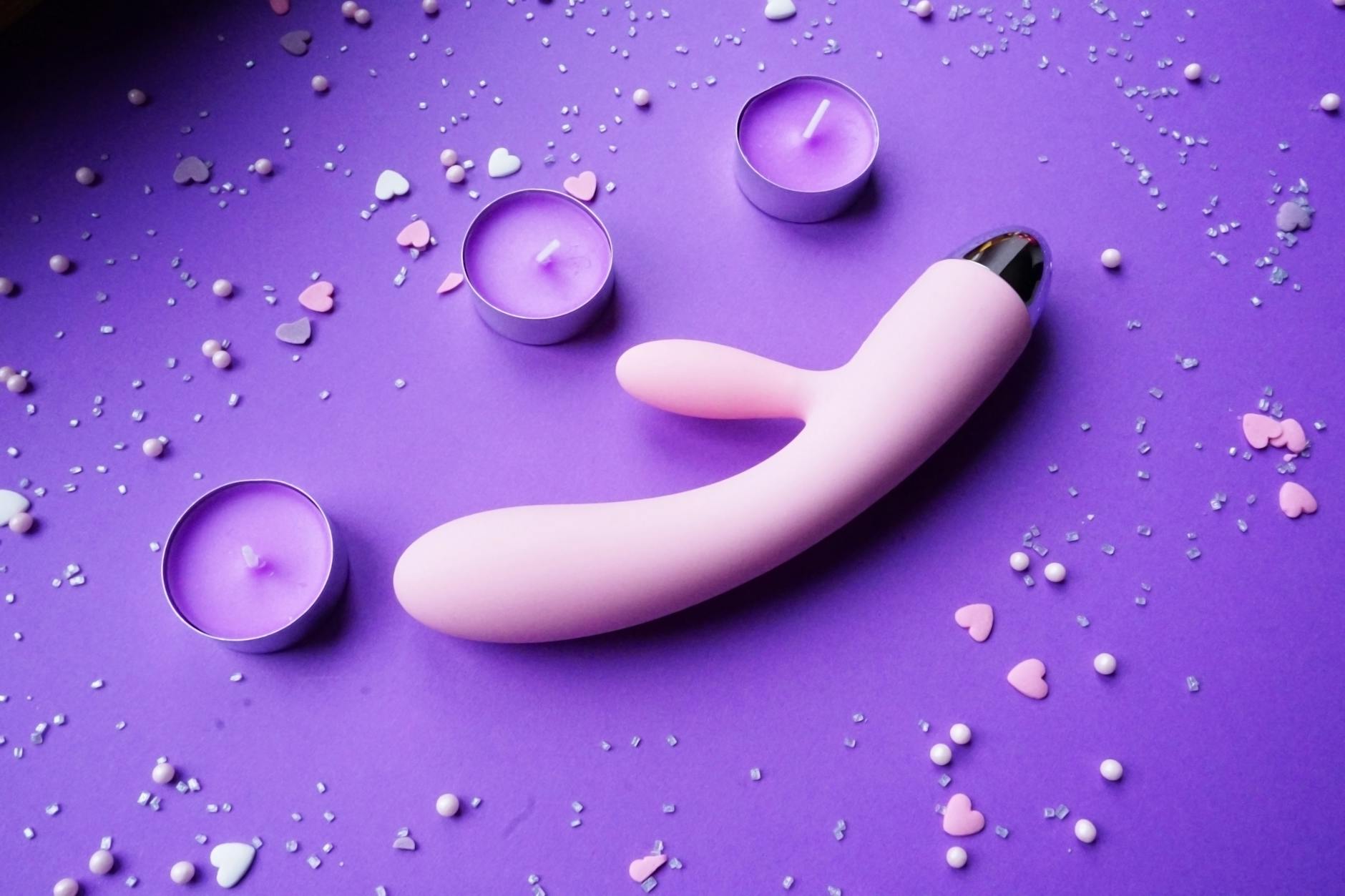
The low libido trap that looks like a character flaw
Low libido isn't laziness. It's not a sign you don't love your partner. It's not something you can think or willpower your way out of. Low desire is a signal that something in your nervous system has flatlined, and the usual things that used to spark arousal just aren't working anymore.
Here's what I see in my practice: people with chronically low libido have often spent so long waiting for desire to show up naturally that they've stopped expecting their body to feel much of anything at all. That flat baseline becomes normal. And then when they try to have sex, there's no momentum to build on, no sensation to follow. The body feels like a passenger watching this happen to someone else.
The thing about lemon vibrators, specifically, is that they work with a kind of stimulation that feels fundamentally different from the slow buildup most people expect. Instead of gradual warming, you get immediate, concentrated sensation. That matters when your nervous system has essentially gone offline.
Why low libido makes sensation harder to find
Desire and sensation are not the same thing, but they're deeply linked. When your libido drops, two things happen simultaneously. First, your body takes longer to send the arousal signal to your brain. Second, your brain gets quieter about receiving it. You're not just waiting for desire to arrive. You're waiting for two separate systems to sync up again.
Stress, relationship tension, hormonal changes, medications, and plain exhaustion all suppress the chemical cascade that normally primes your body for pleasure. Dopamine drops. Oxytocin stalls. The pelvic muscles tense up instead of relaxing. Your skin becomes less sensitive to touch. It's not psychological stubbornness. It's neurobiology.
What makes this worse is that many people respond to low libido by trying harder. More foreplay. More communication about the problem. More guilt about not wanting sex enough. And every one of those things actually makes the nervous system tighter, which makes sensation even harder to access.
The breakthrough happens when you stop chasing desire and instead create the conditions for sensation to arrive first.
How lemon clitoral vibrators bypass the waiting game
Unlike traditional vibrators, lemon sexual toys and similar suction-based devices stimulate through air-pulse technology rather than simple vibration. This matters enormously when libido is low. Here's why.
Your clitoris has about 8,000 nerve endings concentrated in a space the size of a pencil eraser. Most of that sensitivity is in the external part, where you can actually feel distinct sensations. A lemon vibrator's gentle suction wakes up those nerve pathways directly without requiring your brain to be in a turned-on state first. You don't have to want sex to feel the sensation. The sensation itself can be the gateway back to wanting.
This is the opposite of how desire usually works. Normally, you think about something sexy, your brain releases dopamine, and your body starts to respond. When libido is low, that chain is broken somewhere. But if you start with physical sensation instead of waiting for the mental state, you can rebuild the connection from the other direction.
I've had clients describe the first experience with a lemon clitoral vibrator as waking up a part of their body they thought was dead. Not in a dramatic way. In a practical way. The sensation is clear enough that it cuts through the fog.
The three-stage reset protocol
If you're using a lemon vibrator to rebuild sensation and desire, the approach matters as much as the tool.
Stage one: Sensation without expectation. Set aside 15-20 minutes when you have zero pressure to reach any outcome. No partner nearby. No goal of arousal or orgasm. Just you and the vibrator. Start on the lowest setting and explore what the sensation actually feels like. Touch your inner thighs first. Your labia. Your lower abdomen. Let your nervous system notice that it can feel something again. This stage is about neurological reawakening, not pleasure production. Most people need two or three solo sessions here before they're ready to move forward.
Stage two: Pattern recognition. Once sensation feels real again, start noticing what patterns your body actually responds to. Some people find steady suction feels better than pulsing. Others need the rhythm to move. Maybe you like it on your clitoris directly, or maybe the sensation is too intense there and you need to focus on the surrounding tissue. A lemon vibrator's precision lets you find those patterns quickly. Spend 2-4 sessions here. You're creating a map of what your body can actually feel.
Stage three: Pairing with arousal. Only after your nervous system has rediscovered baseline sensation should you introduce other elements. A fantasy you actually enjoy. A partner's touch elsewhere on your body. A specific time of day when your energy is highest. Now the lemon vibrator becomes the anchor point for pleasure that has somewhere to build from.
The specific setting sequence that works best
If you're starting from genuine low libido, here's the exact progression I recommend.
Start at setting 1 or 2. Your goal is sensation awareness, not intensity. Spend at least 5 minutes here just noticing. The temptation will be to jump to stronger settings quickly. Resist that. Your nervous system needs time to recognize the signal.
After 5-10 minutes, move to setting 3 or 4. This is where sensation becomes clearer without being overwhelming. If you feel any numbness starting, stay here for a full session rather than advancing. Your body might need longer to wake up than you expected, and that's completely normal.
Only move to settings 5 and above once lower settings are creating obvious, pleasurable sensation that makes you want to keep going. This could take one session or five. There's no timeline except your nervous system's actual readiness.
The key mistake people make is treating a lemon clitoral vibrator like a performance tool. They set it to maximum because they think that's how you're supposed to use it. But when libido is low, maximum intensity often just feels numb. You need to rebuild from the ground up.
Timing, stress, and the unsexy variables that actually matter
Your nervous system's readiness to feel pleasure fluctuates wildly based on things that have nothing to do with the vibrator itself. Stress level. Sleep quality. Hydration. Whether you've eaten. Medications you're on. How much emotional labor you've done that day.
This is worth mentioning because rebuilding sensation when libido is low requires you to actually notice these conditions. Use your lemon vibrator at times when your nervous system is already somewhat calm. Not exhausted. Not in crisis mode. Early morning sometimes works better than late night. Weekends sometimes work better than workdays. Some people find that a walk beforehand, or music they actually like, shifts their availability to feel sensation.
You're not being precious or high-maintenance by optimizing these conditions. You're being intelligent about neurobiology. Your body responds better to pleasure when it's not in survival mode.
When to involve a partner
If you have a partner, the move to shared pleasure needs intention. Low libido often comes packaged with relationship tension, even if the libido drop has a purely physiological cause. The first instinct many partners have is to help solve the problem. They want to be involved in the solution. That usually backfires because it adds performance pressure.
The strongest approach: use the lemon vibrator solo first. Get your nervous system back online. Then introduce your partner not as part of the goal of having sex, but as part of the exploration. Let them watch if that feels good. Let them apply the vibrator if that's what you want. The point is that your partner becomes a witness to your pleasure returning, not the reason it needs to.
If your relationship itself is causing the low libido, that's different work. That might mean counseling before toys, or alongside them. But if libido dropped for other reasons and you want your partner involved in the rebuild, the key is removing the expectation that this will lead to sex. Start with presence and sensation. Let sex be something that emerges later, not the goal of the session.
The reframing that changes everything
Here's the deepest thing I know about rebuilding libido: your body isn't broken. It's not betraying you. It's communicating that something needs to change. A lemon vibrator is a tool for listening to that message and responding with precision instead of shame.
When you use a lemon clitoral vibrator intentionally for sensation awareness, you're not bypassing your low libido. You're working with it. You're telling your nervous system that pleasure is safe again. That sensation matters. That your body deserves to feel good, not eventually, not once you fix the other things first, but right now, in this moment.
That's where desire rebuilds from.
People also ask
How long does it take to rebuild sensation with a lemon vibrator?
There's no fixed timeline, but most people notice a shift in their first two or three sessions. The goal of the first session is just noticing that sensation is possible. By session three or four, many people find that sensation feels less numb and more present. Full desire rebuilding takes longer, usually weeks or months, but the neurological reawakening can happen surprisingly fast once you remove the pressure of outcome.
Can I use a lemon vibrator if I'm on antidepressants that lower libido?
Yes, but the approach matters. SSRIs and SNRIs suppress dopamine signaling, which makes desire harder to access. A lemon clitoral vibrator can still create physical sensation, and for many people, that sensation is enough to rebuild some arousal response over time. If you're interested in exploring this, it's worth mentioning to your prescribing doctor, but the vibrator itself is safe. Many of my clients have found that sensation-first practices helped even while on medications that made spontaneous desire impossible.
What if a lemon vibrator doesn't work for my low libido?
If you've given the sensation protocol a real chance (at least five solo sessions with genuine presence) and you're not feeling anything, the issue might not be a sensation problem. Low libido caused by relationship conflict, unprocessed trauma, or severe depression requires different approaches. A vibrator is a tool for rebuilding neurological pleasure pathways, but it can't fix everything. If a lemon vibrator isn't creating any shift after real practice, talking to a therapist or menopause specialist who understands both the physical and psychological dimensions of desire is the next step.
Is it normal to feel nothing the first time I use it?
Completely normal. When libido has been low for a long time, your nervous system has adapted to not feeling much of anything. The first session is often about surprise, not pleasure. You might feel something and immediately doubt whether you felt it. You might feel numb. You might notice a sensation and lose it the moment you try to focus on it. None of this means the vibrator isn't working. It means your system is waking up. Give it time.
How do I know if my low libido needs medical attention versus a tool like a lemon vibrator?
If your libido drop was sudden and accompanied by other symptoms (mood changes, fatigue, weight shifts, vaginal dryness), see a doctor. It could be hormonal. If your libido drop happened alongside a medication change, talk to your prescriber about timing or alternatives. If it's been gradual and linked to relationship stress, exhaustion, or life transitions, a tool like a lemon vibrator, paired with time and intention, often works. The decision isn't either-or. Medical attention and using a vibrator can happen in parallel.
Can using a lemon vibrator train my body to only feel pleasure with the vibrator?
This is one of the most common fears, and it's worth addressing directly. No. What a lemon vibrator does is teach your nervous system that pleasure is possible again. As you rebuild sensation and desire, that foundation carries over to partner sex, self-touch, and everything else. The vibrator is a reset button, not a dependence. People often find that after a few weeks of consistent use, they start feeling arousal returning in other contexts too. The vibrator didn't rewire your system toward vibrators only. It rewired your system toward pleasure, period.
If low libido has been the baseline for you, rebuilding sensation feels like it should require a complete overhaul. But often it's about creating one small opening for your nervous system to remember what pleasure feels like again. A lemon vibrator, used with intention and patience, can be exactly that opening. Your desire isn't gone. It's just waiting for the right conditions to come back.