
Here's what you're actually dealing with
Your orgasm takes longer than your partner's. Maybe significantly longer. And right now, that fact probably feels like a problem you need to solve instead of a rhythm you need to honor.
It's not. The real problem is that partner sex usually runs on whoever's fastest timeline, which means your body gets rushed, your arousal gets ignored, and you end up faking it to keep things moving. That's not pleasure. That's just logistics.
A lemon vibrator changes the equation because it lets you control your own timeline completely. You're not dependent on your partner's pace, their stamina, or the pressure to "catch up." You're just you, building toward pleasure on your actual schedule.
Why slower arousal is actually the norm, not the exception
Let's dump the guilt first. Delayed orgasm affects somewhere between 10 and 20 percent of people with vulvas in long-term relationships, and that number climbs when we factor in stress, medication, hormonal fluctuations, or just the sheer mental load of modern life. This isn't rare. It's actually pretty common.
Here's what's happening biologically: arousal and orgasm are two separate systems. You can be aroused for 45 minutes and still need another 20 minutes to cross the finish line. Your nervous system is slower to wind up than your partner's. That's not a deficiency. It's just how your body's wired.
The problem is cultural. We treat sex like a race with a single finish line, when really it's more like two people reading at different speeds. One person hits orgasm in 10 minutes. The other needs 30. Both of those are normal. Neither one is wrong. But when you're partnered, the pressure to synchronize becomes invisible and intense.
What a lemon vibrator actually solves
A lemon clitoral vibrator like the Lem works differently than your partner's touch or a basic bullet. The suction technology stimulates thousands of nerve endings without the direct friction that can feel numb or overwhelming on sensitive tissue. This matters because it means you get consistent, non-fatiguing stimulation that you can control entirely.
Here's the practical shift: instead of your partner trying to guess your arousal level or you trying to speed up to meet their timeline, you're using the Lem to explore exactly what your body needs. Maybe it's five minutes on pattern three. Maybe it's 25 minutes of building intensity. The device doesn't get tired. It doesn't get impatient. It just keeps working at your pace.
Many people with longer arousal timelines find that using a lemon sucker actually shortens the time to orgasm because there's zero performance pressure. Your brain stops trying to problem-solve and actually relaxes into sensation. That's huge.
Using the Lem solo first (and why that matters)
If you've never used a clitoral vibrator solo, start there. Spend two or three sessions alone exploring what the different patterns feel like. Try each setting for a minute or two. Notice which ones feel good and which ones feel like too much too fast.
This is research, not rushed performance. You're mapping your own arousal landscape, which means when you bring this into partner sex, you already know what works instead of having to figure it out under pressure.
Start on pattern one or two. The Lem's lowest settings are genuinely powerful. A lot of people skip straight to pattern five because they expect to need intensity, then surprise themselves discovering that patterns two or three are actually perfect. There's no achievement badge for using the strongest setting. Use whatever actually feels good.
Spend at least 15 to 20 minutes. Let your body warm up. Notice where your arousal starts stalling and what helps it move forward. Some people need variety. Others need consistency. Both are fine. The Lem's different patterns are there because different bodies want different things.
Bringing the Lem into partner sex without losing connection
Here's the frame that matters: using the Lem with a partner isn't a workaround to a broken system. It's a tool that lets you both actually enjoy sex because you're not running on someone else's timeline.
The conversation before matters. "I want to use the Lem because my body responds better to consistent stimulation" is direct and honest. "I want to use the Lem because my arousal takes longer and I'd rather enjoy that timeline than rush it" is true and sets a much better tone than making it about fixing something that's wrong with you.
When you're actually having sex, the Lem can come in at any point. Some people use it during penetration. Others start with it solo while a partner touches them elsewhere. Some people build arousal with the Lem first, then put it down if they want to focus on partner sensation. There's no formula. You're just experimenting until you find what actually feels good.
The key: keep communicating. "This pressure is helping" or "I need a second to just focus on the Lem right now" are things your partner needs to hear. When there's a real dialogue happening, using a lemon vibrator isn't a sign something's wrong. It's a sign you're both paying attention.
Managing the mental game
Here's the part no one talks about: the real barrier to orgasm when you take longer isn't usually your body. It's your brain creating a running commentary. "This is taking too long. Is my partner getting bored? Am I taking too long? Should I be closer by now?"
That voice is a pleasure killer.
When you're using a lemon clitoral vibrator, you have a chance to just shut that down because the device isn't going anywhere and your partner (ideally) isn't either. You're not performing for anyone. You're just exploring sensation.
If the voice shows up anyway, you can actually redirect it. "My arousal is following its own timeline. That's fine. The Lem's helping me move at my pace. That's the whole point." Sounds simple. It actually works.
When to adjust your approach
If you're using the Lem regularly and you still aren't reaching orgasm, a few things are worth checking. First, are you actually aroused before you start using it? The Lem works best when your body's already in the game. If you're jumping straight to the device without foreplay or mental transition time, back up and add 10 to 15 minutes of kissing, touching, or whatever actually turns you on.
Second, are you varying the patterns? Some people need rhythm changes to keep building toward orgasm. Pattern two for five minutes, pattern three for five, pattern four for a few. That variety keeps your nervous system engaged.
Third, are you in a headspace where orgasm is actually on the table? If you're stressed, distracted, or you've got a running list of tomorrow's to-dos, the Lem isn't magic. It's still just a device. Getting your brain in the game matters more than the tool itself.
The reframe that changes everything
Slower arousal used to feel like you were the problem. You were the one holding things up. You were the one taking too long.
Using a lemon vibrator flips that. Suddenly you're not behind. You're just building pleasure on your actual timeline, and your partner gets to witness that instead of trying to speed it up. That shift alone changes everything about how the whole experience feels.
Your body's pace is not a flaw to fix. It's information about what helps you actually feel good. The Lem just makes that clearer and more accessible. You deserve that.
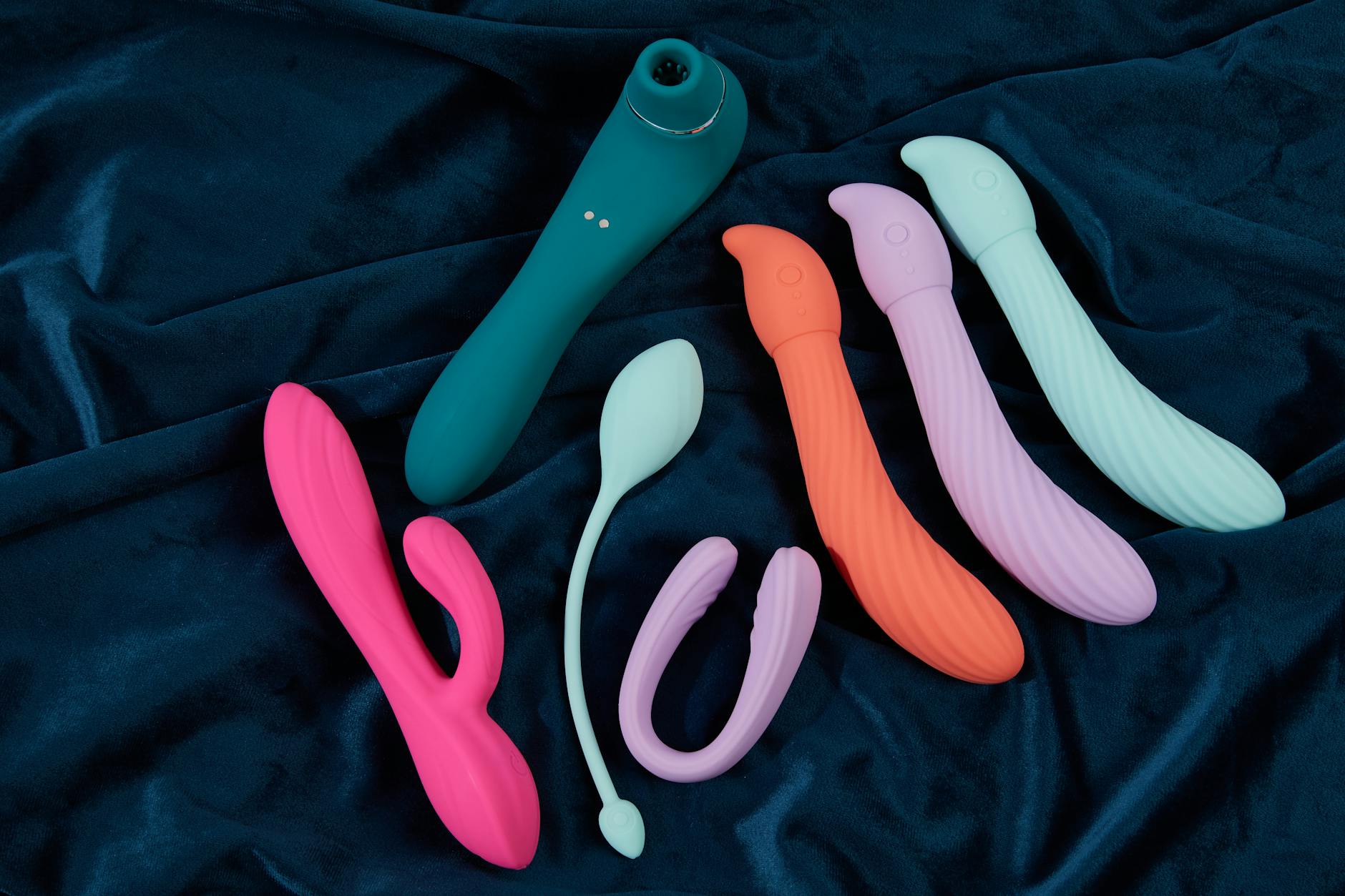
Photo by IFONNX Toys on Pexels
FAQs
How long does it typically take to reach orgasm with a lemon vibrator if you usually take longer?
There's no standard timeline. Some people who normally need 30 to 40 minutes reach orgasm in 15 to 20 minutes with a lemon clitoral vibrator because there's less performance pressure. Others find it takes about the same amount of time but feels way better because the stimulation is consistent and they're not worried about their partner getting tired. The Lem removes the rush, which often actually shortens the time naturally. Pay attention to your own body rather than comparing yourself to anyone else.
Can using a lemon vibrator solo actually improve your orgasm timing with a partner?
Yes, in two ways. First, you learn exactly what patterns and intensities work for your body, so you're not figuring that out during partner sex when you're already distracted. Second, you get comfortable with the device so there's no novelty-nervousness slowing you down. Third, and maybe most important, using it solo reduces the shame and urgency around taking longer because you prove to yourself that your arousal timeline is totally fine. That mindset shift carries into partner sex.
What if your partner gets impatient while you're using the Lem during sex?
That's a relationship conversation, not a Lem problem. If your partner is signaling (verbally or through body language) that they're bored or frustrated while you're exploring your own pleasure, that's a boundary issue worth addressing directly. "I need you to trust my timeline" or "I'm going to take as long as I need" might sound confrontational but it's actually just honesty. A partner who cares about your pleasure will wait. If they won't, that's information you needed anyway.
Does using a lemon vibrator every time make your body dependent on it?
No. Dependence implies you can't function without it. What actually happens is your nervous system learns what really consistent, optimal stimulation feels like, which can sometimes make less-optimal stimulation (like a partner's hand after 20 minutes) feel less satisfying. That's not addiction. That's just your body preferring what works best. You can absolutely still orgasm other ways. The Lem just becomes part of your toolkit, not your only option.
Is it normal to take much longer to orgasm with a partner than when you're alone?
Completely normal. Partner sex involves attention, self-consciousness, and pressure that solo play doesn't. Your nervous system has to manage more information. Even people with fast arousal timelines often need longer with a partner. Adding a lemon vibrator can actually help because it reduces that mental load. You're not performing for your partner. You're just using a device that helps you focus on sensation.
What if the Lem helps you orgasm alone but you still struggle with a partner present?
That's usually about mindset, not the device. Something about having another person there triggers self-monitoring or pressure. Try using the Lem with your partner present but not actively involved at first. They're just there. You're focusing on sensation. Then gradually increase their involvement. Or try using the Lem during partner sex so your brain has something concrete to focus on besides performing. Sometimes the shift happens naturally once you've proven to yourself that your orgasm is possible.
The bigger picture
If you find yourself using a lemon vibrator because your arousal timeline doesn't match your partner's, you're not broken. You're just finally giving your body what it actually needs instead of what the sex you've seen taught you to expect.
That's worth protecting. Keep using it. Keep communicating about it. Keep noticing what actually feels good instead of what you think should feel good.
Your pleasure matters on your timeline, not anyone else's. The Lem just makes that easier to believe.
If you're ready to explore what a lemon clitoral vibrator can actually do for you, check out our buying guide or reach out to us if you have questions about which lemon vibrator might work best for your body.