Let's talk about the elephant in the room
When erectile dysfunction enters a relationship, both partners often freeze. The person experiencing ED feels shame and pressure. The other partner feels confused, sometimes hurt, wondering if it's about them. And suddenly, the entire sexual dynamic gets reorganized around one thing that isn't working. That's the trap.
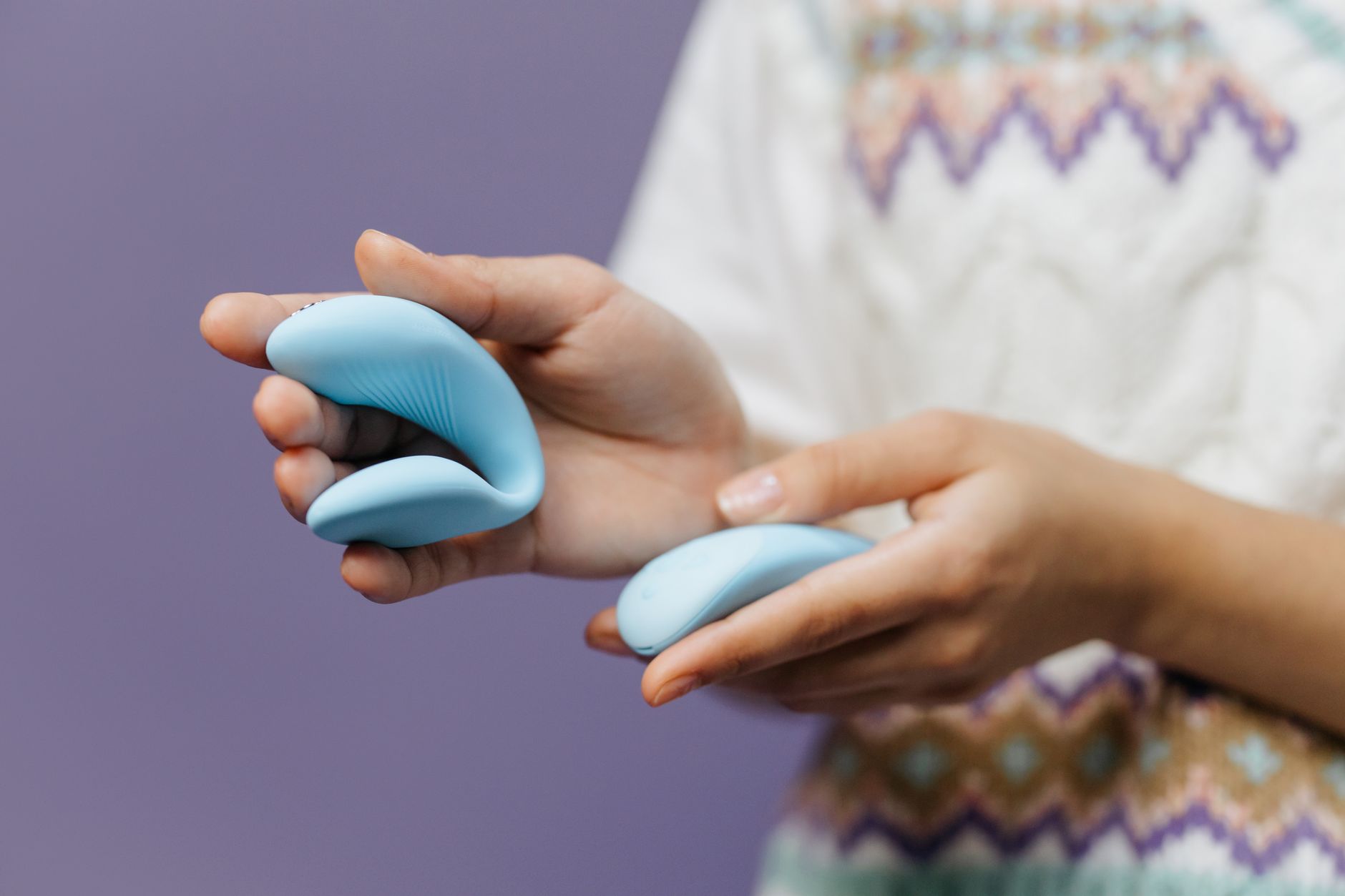
Here's what I've seen work: shifting the focus away from penetration and toward mutual pleasure. That's where a lemon clitoral vibrator actually reframes the entire experience. It's not a workaround. It's a reset.
Why ED creates so much friction in couples
Erectile dysfunction is medical, but couples experience it as relational. The person with the penis feels less masculine. The partner with the vulva feels less desired. Both partners start performing rather than connecting. Anxiety builds. Avoidance follows. The bedroom becomes a place where both people are monitoring performance instead of experiencing sensation.
What makes this worse is that most couples default to penetration as the main event. When that stops working reliably, they assume everything stops working. That's not true. But the belief feels true in the moment.
This is exactly where lemon sexual toys shift the entire frame. When you bring a lemon clitoral vibrator into the equation, you're saying: your pleasure matters regardless of what's happening with erections. That single shift changes everything.
What erectile dysfunction actually changes (and what it doesn't)
ED affects one type of stimulation. It does not affect:
- Your capacity to touch each other
- Oral sex
- Manual stimulation
- The ability for the partner with the vulva to orgasm
- Intimacy, vulnerability, or presence
But here's what doctors don't tell couples: the partner without ED often feels responsible for managing the other person's anxiety. That creates a secondary layer of pressure. When you introduce a lemon vibrator into shared pleasure, you distribute the responsibility. Neither person is carrying the weight of the other's satisfaction alone.
How to frame the introduction conversation
Don't position the lemon vibrator as a fix for ED. Frame it as an expansion of what you both enjoy. Here's what that sounds like: "I've been thinking about us exploring together differently. I want to prioritize your pleasure more directly, and I found something I think we'd both like."
Notice what's happening there. You're not saying, "We need this because you can't get hard." You're saying, "I want more of your pleasure." That lands completely differently.
If your partner resists, listen for the real anxiety underneath. Often it's not about the vibrator. It's about feeling replaced or feeling like they've failed. Give that feeling room to exist. Say it directly: "Your pleasure and your body matter to me, separate from anything else. This is about us connecting more."
The mechanics of using a lemon clitoral vibrator when ED is present
Here's how the experience typically works better with ED in the picture.
Start with foreplay that builds slowly without any pressure toward erection. This might be 20-30 minutes of touching, kissing, conversation. The goal is presence, not arousal. Then introduce the lemon vibrator. The person with the vulva can use it solo while the partner watches and touches, or the partner can operate it while the other person receives.
What matters: the partner with the penis doesn't have to "perform." They can relax into sensation. Many partners find that when they stop monitoring their own erection, it's easier for it to happen naturally. The anxiety loop breaks.
If erection does happen, great. If it doesn't, you both have full-body pleasure anyway. The lemon clitoral vibrator ensures that the experience doesn't hinge on one outcome.
The emotional repair that happens in the body
When a couple has avoided sex because of ED, shame builds fast. By the time they come back together, there's often unspoken resentment and hurt. The body holds that.
Using a lemon vibrator together actually rewires the nervous system around pleasure. You're creating new associations. Instead of "sex = tension and failure," it becomes "touch = safety and connection." That's not psychological. That's physiological. Your nervous system learns that this context is safe.
Bring curiosity into it. Ask each other what feels good. Notice what works. Make it collaborative, not goal-oriented. Many couples find that ED actually forced them to have better sex because they had to be more intentional and present.
When to bring in professional support
If ED is new and sudden, that's a medical conversation. ED can signal cardiovascular issues, diabetes, or medication side effects. A doctor needs to rule those out.
But even when the medical piece is handled, couples often need a therapist to rebuild trust and presence around sex. That's normal. A therapist trained in couples work and sex can help both partners get unstuck emotionally while you're using tools like clitoral vibrators to rebuild physical pleasure.
Some relationships actually deepen after ED because the couple learns to prioritize each other's satisfaction over performance metrics. That's possible. It takes honesty and willingness to try something different.
Creating pleasure that doesn't depend on one outcome
The real gift of lemon clitoral vibrators in this context is that they make pleasure mutual and non-dependent on erection. You're both present. You're both receiving. Neither person is monitoring the other's body.
When you're using a lemon vibrator together, you're literally shifting focus to the partner with the vulva's pleasure. That feels incredible for them. For the partner with the penis, it removes the pressure. Everyone wins.
Start here: decide together that pleasure is a team sport. Then follow through. The lemon vibrator is just the tool that makes that conversation concrete.
Common questions couples ask
Will using a vibrator make ED worse?
No. ED is about physical responsiveness and often anxiety. A vibrator doesn't change either of those things. What it does is create pleasure that isn't dependent on erection. That usually reduces anxiety, which can actually help ED over time.
What if my partner feels threatened by the vibrator?
That's the anxiety talking, not the situation. Listen to the fear underneath. Often it's "Will you need me less?" or "Am I not enough?" Address that directly. The vibrator isn't replacing him. It's expanding what you both experience together. If the fear stays, couples therapy can really help untangle it.
Can we use a lemon clitoral vibrator during partnered sex when ED happens?
Absolutely. Many couples keep a lemon vibrator on the nightstand specifically for this. If erection isn't happening or isn't staying, you can use the vibrator for the partner with the vulva while the other partner touches, kisses, and stays present. It keeps the experience connected rather than stopping altogether.
How do we choose which lemon vibrator to start with?
Start with something straightforward. The Lem is designed with couples in mind. It's intuitive, quiet, and hands-free or hand-held. You don't need anything complicated. Simple, reliable, and easy to use together.
What if we haven't had sex in months because of ED?
Then starting with a vibrator is actually smart. It removes the pressure of erection entirely. You're both naked, you're both present, and you're both experiencing pleasure. That rebuilds safety. Once the nervous system relaxes, erection often comes back naturally. But even if it doesn't, you have a different kind of intimacy now.
How often should we be using a lemon vibrator if ED is ongoing?
As often as it feels good. The more you use it, the more you rewire your nervous system around pleasure without performance anxiety. Some couples use it several times a week. Others find their rhythm is once a week. There's no prescription. The point is consistency and presence.
The real shift that happens
I've watched couples move through ED and come out with better sex on the other side. It never felt like the vibrator fixed anything. It felt like the vibrator gave them permission to explore pleasure differently. And that permission changed everything. When you stop treating sex like a performance metric and start treating it like a conversation between two people, ED stops being a crisis. It becomes a redirect. And sometimes that redirect is exactly what a couple needs to get present with each other again. Using tools like lemon clitoral vibrators makes that conversation physical and real.