Let's talk about the elephant in the room
Age gaps in relationships aren't new, but talking about sex and pleasure across different bodies and different life stages still feels taboo. Here's the thing: a 10-year gap, a 20-year gap, or a 30-year gap doesn't mean you're incompatible in bed. It means you're both experiencing your bodies differently, which requires conversation and often a little help from tools designed for this exact problem.
I've worked with plenty of couples where one partner is navigating menopause while the other is still in their 30s or 40s, or where one has decades of sexual experience and the other is exploring pleasure for the first time later in life. The dynamic isn't broken. It's just different, and different needs actual strategies.
What changes across the age gap
Let's separate the myths from what's actually happening physiologically. When there's an age gap, you're often dealing with bodies at completely different stages. One person might be experiencing lower estrogen, changes to lubrication, and longer arousal times. The other might be in their sexual prime with quick arousal and easy orgasms. One might have spent decades in a sexless marriage and is rediscovering desire. The other might be at peak libido.
The bigger issue isn't the age itself. It's that partners rarely talk about these differences directly. One person assumes the other "should" be ready on their timeline. The other assumes they're doing something wrong. Then both people get frustrated and pull back.

Photo by Magda Ehlers on Pexels
What doesn't change: desire, capacity for pleasure, or the ability to connect deeply. Those aren't determined by age. They're determined by how safe you feel, how much you communicate, and whether your nervous system trusts your partner.
The arousal timeline problem
One of the most common friction points with age-gap couples is that one person is ready in five minutes and the other needs fifteen or twenty. This isn't a flaw. It's just biology meeting life stage.
A partner in their early 40s might still experience rapid arousal. A partner in their late 50s or 60s might genuinely need more time, more direct stimulation, or more mental ease to get turned on. Neither is wrong. But if you're not naming it, you end up with one person feeling rushed and the other feeling pressured or inadequate.
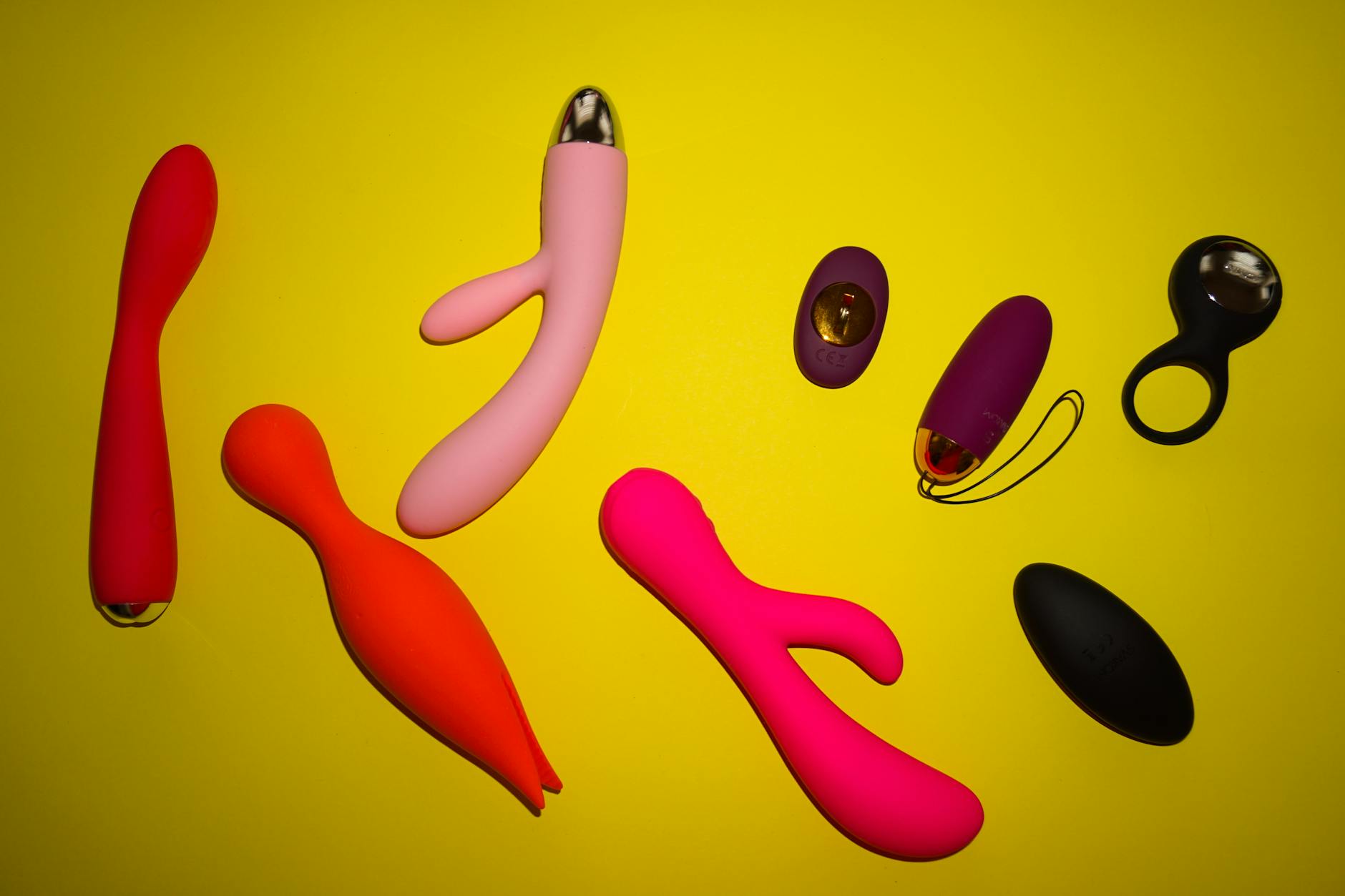
This is where a lemon clitoral vibrator changes the dynamic. It's not about replacing partner touch. It's about having a tool that gives you both more agency. The younger partner can focus on their own arousal while the older partner warms up. Or vice versa. The pressure drops because the pleasure isn't dependent on one person's timeline anymore.
I've had couples tell me that introducing a lemon vibrator into their routine actually made them feel more connected, not less. Because suddenly, instead of one person waiting around feeling bored and the other feeling rushed, you're both engaged in your own and each other's pleasure simultaneously.
Navigating desire differences
Sex drive varies wildly across ages, and it's rarely a straight line. Someone in their 40s might have higher desire than someone in their 50s. Someone rediscovering sex after years of numbness might want it constantly. Someone who's been in the same relationship for decades might feel tired of the same patterns.
The age gap often gets blamed for desire mismatch when the real issue is that nobody's actually discussing what they want. One partner assumes the other should want less because they're older. The other assumes they should want more because they're younger. Both end up resentful.
What helps: talking about desire as separate from age. "I want more touch right now" isn't about being old or young. It's about where your nervous system is. Some seasons of life are higher desire. Some are lower. The lemon vibrator works because it's not asking your partner to do anything different. You can use it solo, together, during partnered sex, or just to reconnect with your own pleasure on your timeline.
The vulnerability piece
This is the part therapists talk about less, but it matters: age gaps often come with insecurity. The older partner might worry they're not attractive anymore. The younger partner might worry they're being selfish or that their partner feels inadequate. Both people are walking on eggshells.
Introducing a toy can actually help dissolve that tension because it removes the performance element. You're not trying to be sexy. You're not trying to keep up. You're just exploring pleasure together with a tool that works for both your bodies. The lemon vibrator doesn't care how old you are. It works the same way whether you're 30 or 70.
The real intimacy happens in the conversations around it. "I want more time to warm up," or "I need more direct stimulation," or "I want to feel desired even though my body is changing." Those are vulnerable things to say. But they're the conversations that actually fix the disconnect.
Practical setup for couples with different needs
Let me give you a real framework. When there's an age gap and different arousal patterns, these usually work:
Start separately, finish together. One partner uses the lemon vibrator solo for 10-15 minutes while the other reads, touches themselves, or just relaxes. Then you come together when both bodies are ready. No pressure on either end.
Parallel play. You're both being intimate at the same time but not necessarily with each other, at least at first. This lowers the anxiety that comes with performance and lets you both focus on your own pleasure. Then you transition to partnered touch when it feels right.
Integration. Once you're comfortable, use the lemon vibrator as part of your partnered sex. It works with penetration. It works before. It works instead of. There's no one "right" way. Your bodies will tell you what works.
The conversation checkpoint. Every few weeks, actually talk about what's working. "I like that we have more time." "I feel less pressured now." "I want to try something different." These check-ins are how couples stay connected when bodies are changing.
When one partner is navigating major changes
If the age gap includes menopause, post-cancer treatment, erectile challenges, or any other body shift, that's a separate conversation, but the tool works the same way. A lemon vibrator designed for clitoral pleasure doesn't require either partner to perform in a particular way. It just works.
I worked with one couple where the older partner was dealing with significant hormonal changes and the younger partner was struggling with how to stay connected. The lemon vibrator became their bridge. It gave the older partner more direct stimulation without relying on their partner's efforts. And it gave the younger partner a way to contribute to pleasure without the pressure of "fixing" anything.
That's powerful. That's what actually holds couples together through transitions.
The mental shift that changes everything
Here's what I tell every couple with an age gap: your bodies are not the problem. Your story about your bodies is the problem. You're telling yourself a narrative that age determines desire, that one of you should be ready on a certain timeline, that using a toy means something's broken.
None of that's true. Your bodies are just different. And different just means you get to be creative, communicate more, and probably have better sex because you're not performing for each other anymore.
A lemon vibrator is just a permission structure. It says: we can enjoy pleasure differently and still be connected. We can take our time. We can have fun with this. We don't have to pretend our bodies work the same way when they don't.
Different doesn't mean broken. It means you finally get to stop pretending and start connecting.
FAQ: Age gaps and pleasure
Can we use a lemon vibrator if we have very different arousal speeds?
Absolutely. That's actually the main reason couples with age gaps use them. One person uses it solo while the other warms up, or you use it together in parallel so nobody's waiting around. The whole point is that your timelines don't have to match anymore.
What if my older partner feels insecure about using a toy?
That's a conversation about what the toy means to them. Often, older partners worry it means you find them unattractive. Naming that directly helps. "I want us both to have pleasure. This tool helps us both get there." It's not about replacing them. It's about supporting both of you.
Is it normal to have different desire levels across an age gap?
Completely normal. Desire isn't linear across age. Someone in their 40s might have higher desire than someone in their 60s. Someone else might be the opposite. Life stage, stress, hormones, and relationship satisfaction matter more than age itself. The age gap just sometimes reveals desire differences that existed anyway.
How do we introduce the topic without it feeling awkward?
Start with your own pleasure. "I've been curious about trying this. Want to explore it together?" Or: "I read that some couples find this helpful when arousal patterns are different. What do you think?" Make it about curiosity, not about fixing a problem. That changes the entire energy.
Can we use a lemon vibrator if one partner has physical limitations?
Yes. In fact, a clitoral vibrator is often easier for partners with mobility issues, pain, or limited strength because the vibrator does the work. You both just get to enjoy sensation. Talk to your partner about what feels good and adapt from there.
What if we're worried the toy will become a crutch?
Toys aren't crutches. They're tools. You use them when they help. You don't use them when you don't need them. Some weeks you'll use the lemon vibrator every time. Some weeks you won't touch it. That's fine. The goal is having options so you're never stuck.
The bottom line
Age gaps don't fail because bodies are different. They fail because couples stop communicating about how their bodies actually work. A lemon vibrator doesn't fix anything by itself. But it creates space for the conversations that do fix things. It says your pleasure matters. Your timeline matters. Your body matters, exactly as it is right now.
That's what keeps couples connected when everything else is changing. Not perfect synchronization. Just real talk and a little help from a tool that works for both of you.
If you're navigating an age gap and want to explore this further, we're here. Get in touch and let's talk about what actually works for your bodies and your relationship.