
Here's the thing about refractory periods
Not everyone can chain orgasms back to back. Some bodies need a few minutes (or more) to reset between peaks. That's your refractory period. And honestly, it's completely normal.
The internet floods you with stories about endless multiple orgasms, which can feel like a failure if your body doesn't work that way. But here's what I've learned from years working with couples navigating pleasure: a longer refractory period isn't a bug. It's just different wiring.
The good news is that lemon clitoral vibrators, especially suction-based tools like the Lem, work brilliantly with this timeline. They're designed to stimulate in ways that feel good between peaks, not just during them.
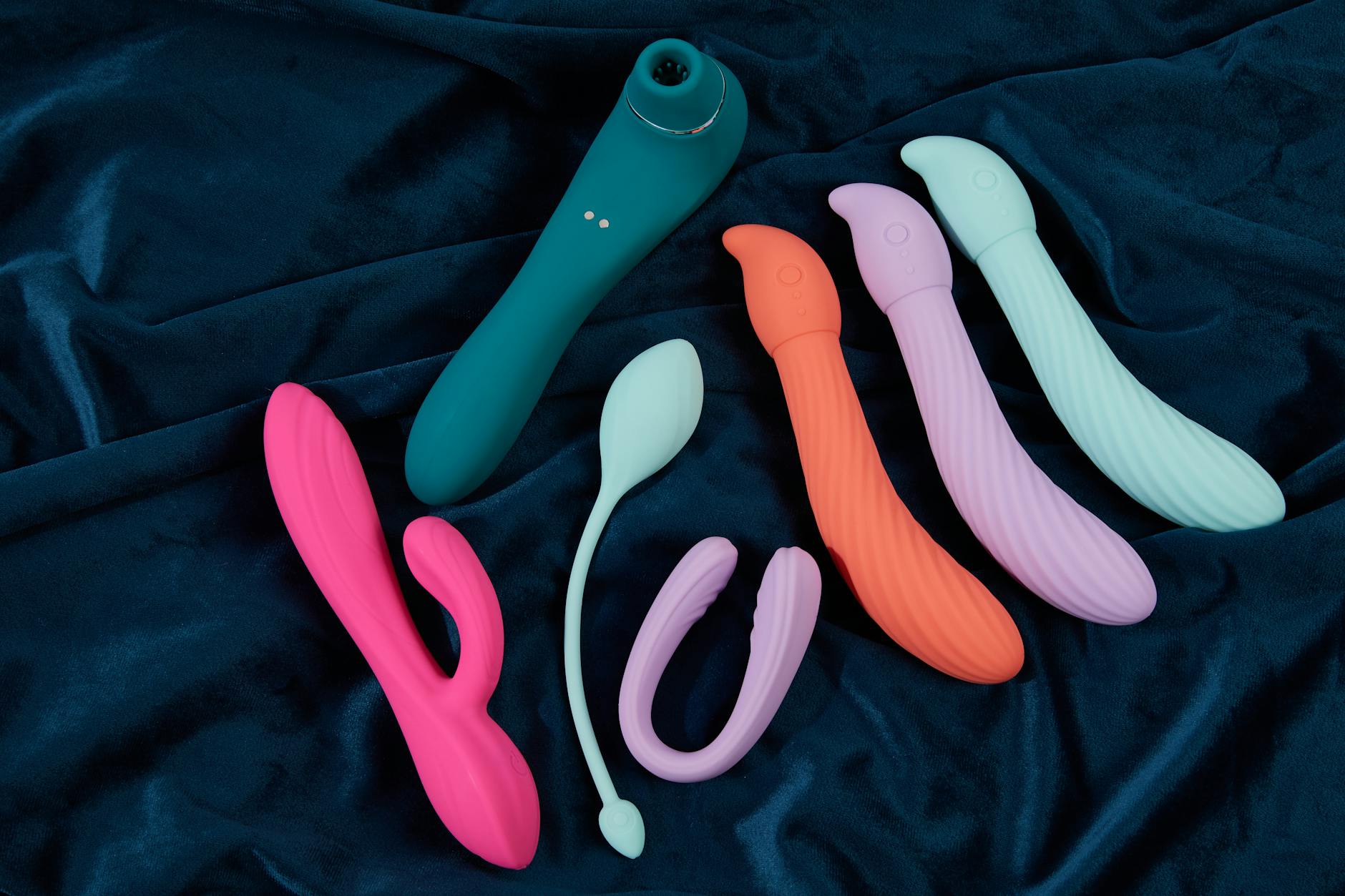
Photo by IFONNX Toys on Pexels
What actually happens in a refractory period
After an orgasm, your nervous system needs to downshift. Blood flow normalizes. Hormone levels (dopamine, oxytocin, prolactin) surge and then settle. Your clitoris becomes hypersensitive. Some people's bodies naturally recover in 30 seconds. Others need 5, 10, or even 20 minutes.
This isn't age-dependent either. I've worked with 25-year-olds with 15-minute refractory periods and 55-year-olds who can orgasm again in 90 seconds. It's just how your individual neurology is wired.
The mistake most people make is treating a longer refractory period like a problem to solve. You push harder, switch intensity levels, or just give up. All three backfire. Instead, you can use the space between peaks as a different kind of pleasure.
Why lemon vibrators work for stacking orgasms
Most vibrators use constant, high-frequency buzz. That intensity feels amazing during the buildup to orgasm, but it's often too much during recovery. Your clitoris is already firing at maximum; more stimulation reads as overstimulation.
Lemon clitoral vibrators, particularly suction-based models, work differently. They create a gentle vacuum around the clitoris rather than vibrating against it directly. This means:
- You can keep contact without discomfort during the sensitive post-orgasm window
- The stimulation is broad and diffuse rather than pinpoint sharp
- You can dial intensity way down and still feel something pleasurable
- The rhythm works with your body's natural recovery instead of against it
When you're in that refractory window with a lemon vibrator set to a lower pattern, you're keeping arousal in your body without demanding another peak immediately. Then, as sensitivity normalizes, you can gently increase intensity again.
The three-phase approach to multiple orgasms with a longer refractory period
Phase one: the buildup. Start with your lemon clitoral vibrator on patterns 1 or 2. This is the warm-up, the conversation with your body. Give yourself at least 10 to 15 minutes here. This isn't rushing. Longer warm-up time actually trains your nervous system to be more responsive when it matters.
Phase two: the peak. As you approach orgasm, gradually move to patterns 3 through 5 (depending on your tool). Let the orgasm happen naturally. Don't hold it back or chase it. Just follow the sensation.
Phase three: the float. After you come, do not stop immediately. Instead, drop back down to pattern 1 or 2 and keep the lemon vibrator on your clitoris, but with much lighter contact. You're essentially hovering. This phase is 3 to 7 minutes, depending on how sensitive you feel.
During the float, something interesting happens. Your body is still high on dopamine and oxytocin. Your clitoris is still engorged. But because the intensity is so low, there's no discomfort. Your nervous system starts climbing again without needing a full cool-down and restart.
Building toward the second (or third) peak
Once you're 5 to 7 minutes into the float, your refractory period is usually mostly done. Now you can slowly increase intensity again. Move from pattern 1 to pattern 3 over the next 5 minutes. Don't jump up. Gradual is the entire strategy.
The second orgasm often feels different from the first. It might be lighter, shorter, or weirdly deeper. That's fine. Your nervous system is in a different state. Some people report that the second orgasm hits faster because the clitoris is already awake. Others say the third one feels best because the body is finally fully warmed up.
If you're with a partner, this is also where communication matters. You might say something like, "I'm going to stay on this lower setting for a bit, and then we'll build again." That keeps them in the loop instead of confused about why intensity just dropped.
The role of breathing and pelvic floor awareness
Here's something most orgasm guides skip: your pelvic floor tension directly affects how fast you recover.
If you clench hard during an orgasm, your recovery is longer. That's because your pelvic floor needs extra time to fully relax afterward. If you breathe shallowly and stay tense after coming, same problem.
Try this instead. As you reach the first orgasm, let your pelvic floor stay relatively relaxed. This sounds counterintuitive. Most people think you're supposed to clench. But you don't actually need to. The orgasm happens in your nervous system, not your muscles.
After the first peak, take 5 deep belly breaths. Let your pelvic floor feel heavy and relaxed. This signals to your nervous system that the peak is over and recovery can begin. Your refractory period often shortens by 2 to 3 minutes just from this.
When you're ready to build toward the second orgasm, you can engage your pelvic floor again. It's your body's dimmer switch.
Managing sensitivity and overstimulation
The biggest risk with stacking orgasms is accidentally crossing into overstimulation. This feels like rawness, numbness, or that sharp almost-pain sensation. It's not dangerous, but it ends the experience immediately.
With a lemon vibrator, you have built-in protection because you can drop intensity so low. But you need to pay attention. If during the float phase you start feeling raw or numb, you've stayed on intensity too long. Next time, switch to pattern 1 even sooner, or pause contact entirely for 2 to 3 minutes before restarting.
You're not failing. You're learning your own map.
Timing expectations with different bodies
If your refractory period is 5 to 8 minutes, you can realistically stack 2 to 3 orgasms in a 45-minute session with a lemon clitoral vibrator. If it's 15 to 20 minutes, you might get 2 reliably, and 3 as a bonus.
Compare this to partnered sex or even penetration alone. Those require full engagement the entire time. A lemon vibrator lets you control intensity so precisely that you can rest while staying in contact. That changes the math entirely.
The other thing that shifts is pleasure quality. Many people who come multiple times report that orgasm one is about release, and orgasm two or three is about sensation. They're less about climax and more about floating in arousal. That's real. It happens because your body is in a different neurochemical state.
When multiple orgasms aren't the goal
I also want to say this: if you get one incredible orgasm and you're done, that's not failure. Some people genuinely prefer that. Their body recovers slowly, and that's fine. A single intense peak can be infinitely better than chasing a second one out of obligation.
The whole point of understanding your refractory period is choice. When you know your body's rhythm, you can decide. Do I want to go for two today? Or do I want to sink into this one? Both are good answers.
For more on navigating pleasure in partnership, check out our guide on how to use lemon vibrators with a partner. And if you're exploring whether a lemon clitoral vibrator is right for your body, we have a piece on why lemon vibrators work better for sensitive clitorises.
FAQ
Can you have multiple orgasms if your refractory period is really long?
Yes, absolutely. A longer refractory period doesn't mean you can't achieve multiple orgasms. It just means you need more time and a different approach. Using a lemon vibrator on lower intensity settings during the recovery window lets you stay engaged without overstimulation. Some people with 15 to 20-minute refractory periods stack two solid orgasms in a single session by pacing themselves.
Does using a lemon vibrator shorten your refractory period over time?
Not directly. Your refractory period is neurologically determined and doesn't really change with toy use. However, regular use of a lemon clitoral vibrator can train your body to become more responsive to stimulation and build arousal faster. This makes the climb to the next peak easier even if the recovery window stays the same length.
What's the difference between a refractory period and just being tired?
A refractory period is a neurological reset your nervous system requires after orgasm. Tiredness is mental and emotional fatigue. You can have a short refractory period and still feel mentally done. Conversely, you might physically recover quickly but emotionally want to stop. They're separate experiences. Pay attention to which one you're actually experiencing before deciding to go for another orgasm.
Is it normal for the second orgasm to feel different from the first?
Completely normal. The second orgasm often feels lighter, arrives faster, or has a different texture because your nervous system is in a different state. Hormone levels have shifted. Your clitoris is already engorged. Your arousal pathway is fully open. Some people report the second feels best. Others prefer the first. Both are valid.
Can you use the same lemon vibrator for multiple sessions in one day?
Yes, but with care. If you're stacking orgasms back to back, make sure you're hydrating and not pushing your clitoris into rawness. If you want multiple sessions across a day, definitely give at least 2 to 4 hours between them. And always clean your lemon vibrator thoroughly (check the care guide) before each use. Your tissues deserve respect.
What if you can't orgasm a second time even with a lemon vibrator?
That's also completely fine. Some bodies are wired for single orgasms. Some days your nervous system just wants one. Some people need a full hour between peaks. None of these are problems. The point of understanding your refractory period isn't to force multiple orgasms. It's to know what's actually happening in your body so you can make choices that feel good instead of chasing a goal that might not be yours.
The bottom line
Your refractory period is just part of your sexual blueprint. It's not a limitation. It's information. Once you understand it, you can work with it instead of against it. A lemon vibrator gives you the precision tool to do that. Lower intensity, longer float phases, paced intensity climbs. That's the formula that works for bodies with longer recovery windows.
Multiple orgasms aren't the finish line. Pleasure that actually feels good for your particular body is.